Archive for March, 2011

The Sex Lives of Hellebores

Posted in hellebores, winter interest with tags , , , , , , , , , , , , , on March 26, 2011 by Carolyn @ Carolyns Shade Gardens

Carolyn’s Shade Gardens is a retail nursery located in Bryn Mawr, PA, specializing in showy, colorful, and unusual plants for shade.  The only plants that we ship are snowdrops and miniature hostas.  For catalogues and announcements of events, please send your full name, location, and phone number (for back up use only) to carolyn@carolynsshadegardens.com.  Click here to get to the home page of our website for catalogues and information about our nursery and to subscribe to our blog.
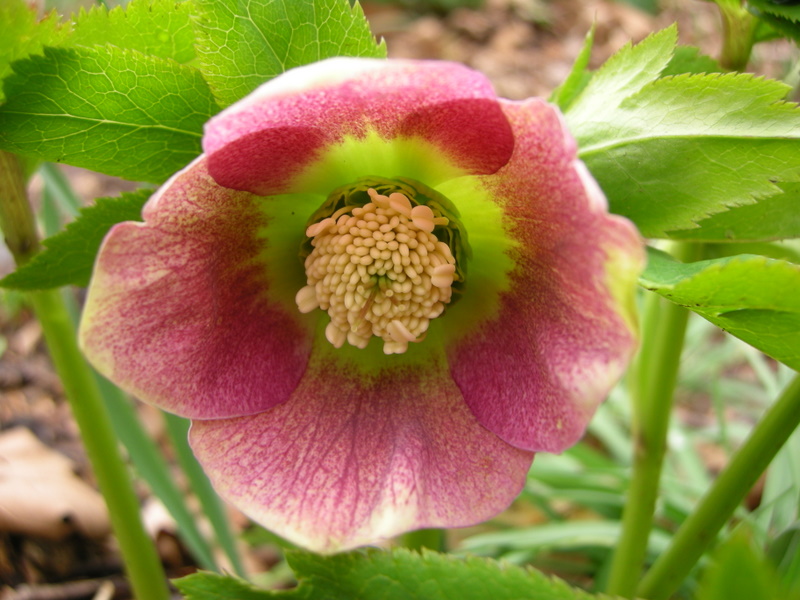
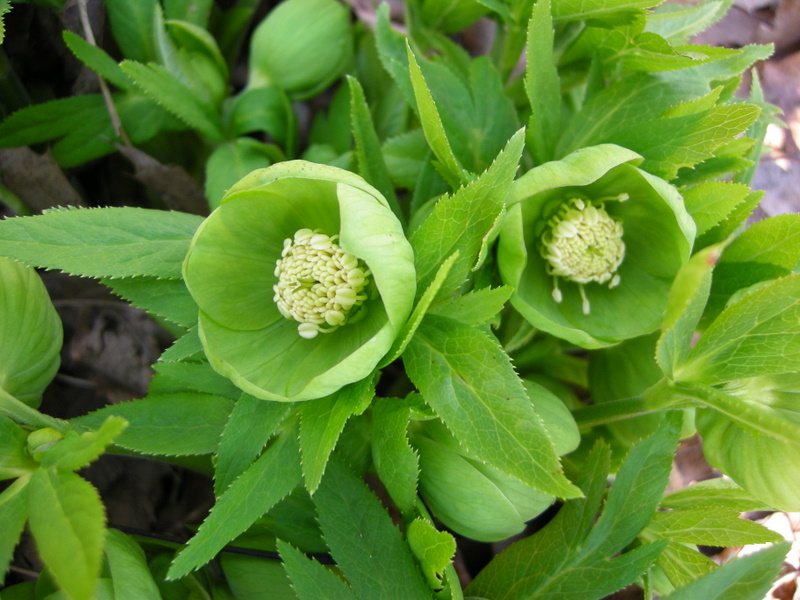
The green halo in this beautiful hybrid hellebore flower probably results from the influence of H. torquatus, which is characterized by a pale collar around the center of the flower.

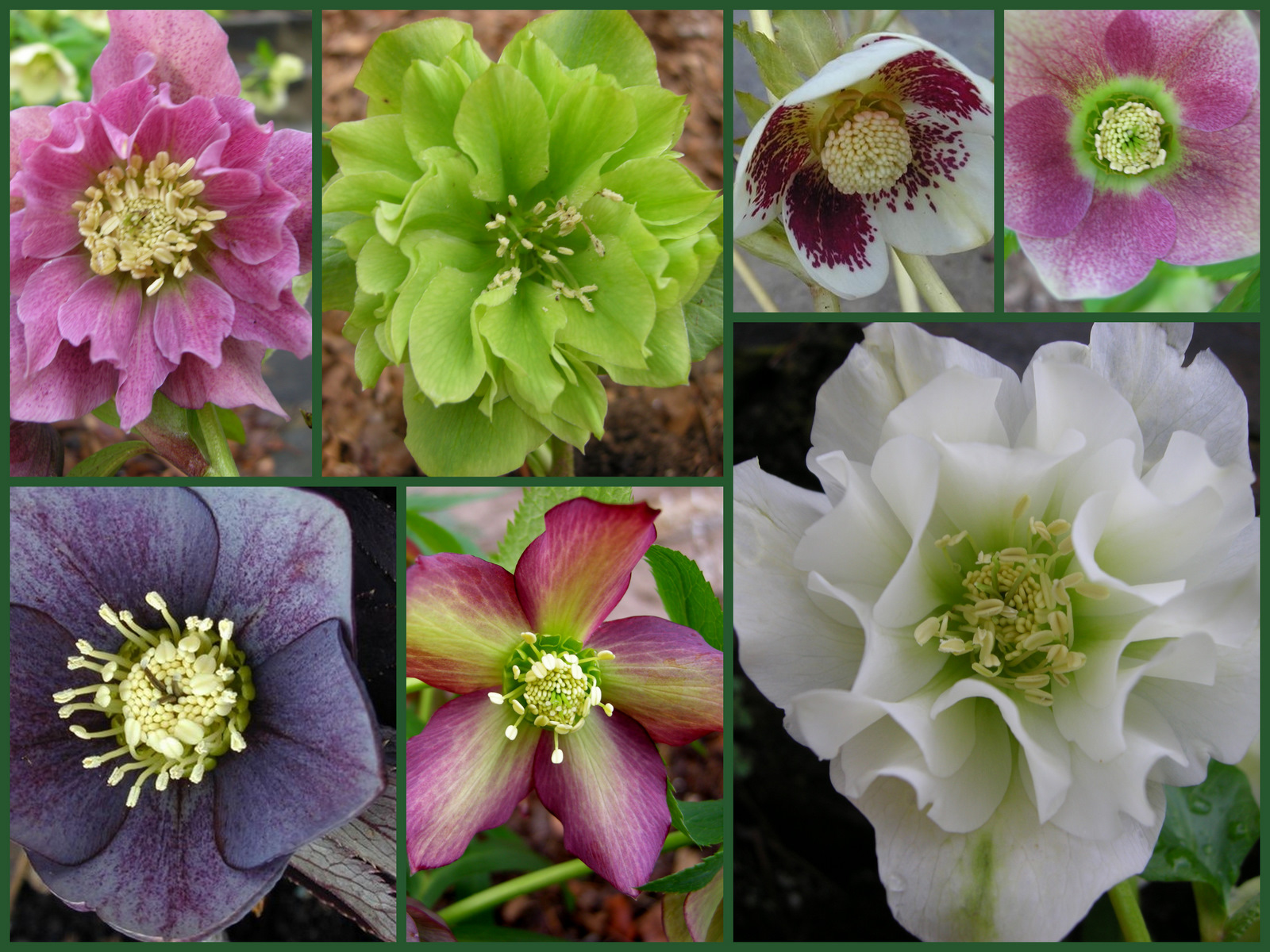
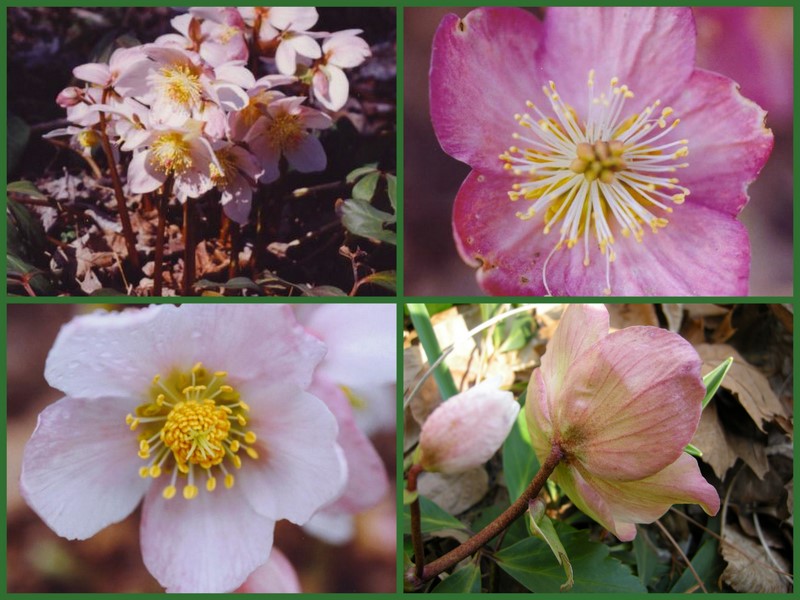
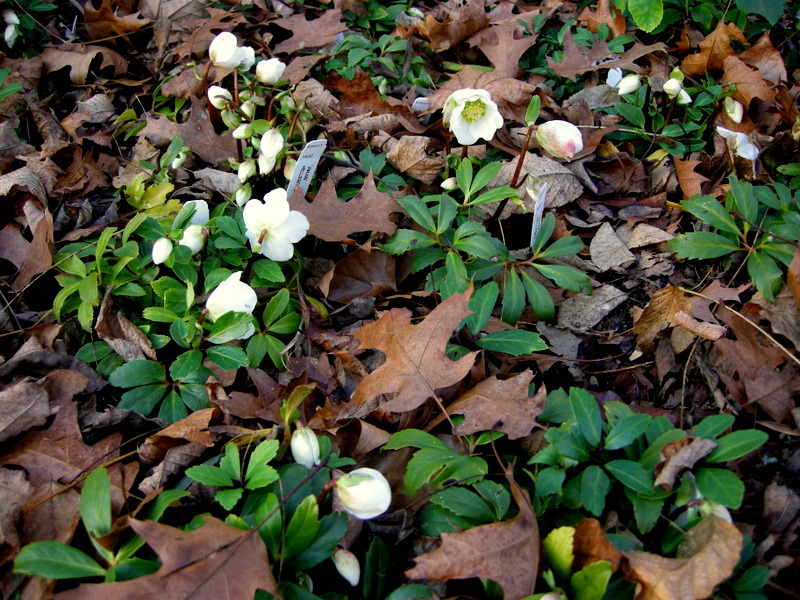
Hybrid hellebores, Helleborus x hybridus (the Royal Horticultural Society approved name, previously called Lenten rose or Orientalis hybrids), are the most commonly available hellebores with the large, showy, nodding flowers in an amazing range of colors (click here and here to see photos).  In my article An Ode to Seed Strain Hellebores, I explained my fascination with and love of the diversity found in hybrid hellebores .

I described how, unless tissue cultured, you can’t be sure what a hybrid hellebore  flower will look like unless it is in bloom.  But I pointed out that to me that is the magic of hybrid hellebores: each plant is a unique individual, with the potential for inheriting genetic material from any of the 9 species hellebores that could be its parents.  In this article, I want to explain exactly where hybrid hellebores come from and introduce you to their parents.  If you want to skip the technical discussion, photos of the parent species are at the end of the article.  I won’t be insulted.

The leaves of ‘Metallic Blue Lady’ hybrid hellebore come out a deep glossy purple showing the influence of H. atrorubens, which can have the same attribute.

The genus Helleborus contains between 12 and 21 species, depending on who is counting, but I usually stick with the 15 described by Brian Mathew, Royal Botanic Gardens, Kew, in his authoritative work Hellebores (Alpine Garden Society 1989).  Six of these species are not relevant to our discussion here.  The other nine species are the parents of hybrid hellebores.  They are H. atrorubens, H. cyclophyllus, H. dumetorum, H. mulitifidus, H. odorus, H. orientalis, H. purpurascens, H. torquatus, and H. viridis.

These nine hellebore species have crossed and re-crossed naturally and through human intervention by hellebore breeders  over hundreds of years to produce hybrid hellebores.  That is why hybrid hellebores are so variable: they can have the characteristics of any of these nine species in their background in infinite combinations.  And it is impossible to be sure which species a particular hybrid hellebore has in its genetic makeup, although flower and leaf characteristics can often lead one to speculate that a particular parent might be predominant (see two photos above).

The species themselves are also incredibly variable in the wild, often freely crossing  with each other,  making them difficult to identify.  For a discussion of just how variable, read Chapter 3 in Hellebores: A Comprehensive Guide by J. Tyler and C. Burrell (Timber Press 2006).
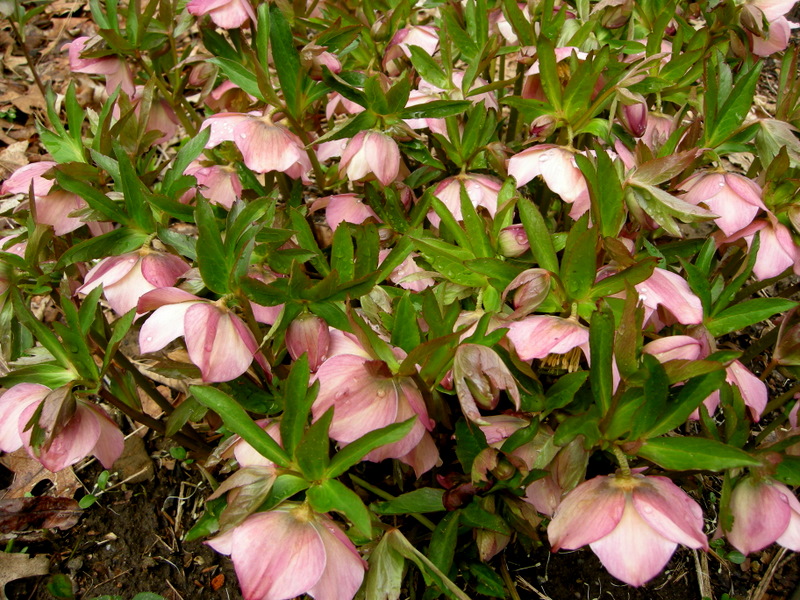
This very beautiful but clearly hybrid hellebore was sold to me as H. purpurascens.

I was a hellebore fanatic long before I became a galanthophile (see my article Snowdrops: Further Confessions of a Galanthophile), and over the years I have collected, grown, and, in some cases, sold to my customers all 15 species, which are all very beautiful in their own right.  In addition, I have attempted to acquire them from as many different sources as possible in order to get plants that I consider the most true to type.   Many of my plants were grown from seeds collected in the wild by Will McLewin of Phedar Nursery in the U.K. You would be amazed at what I have been sold as species hellebores (see photos above and below).

These four plants were all sold to me as H. atrorubens.

So over the years, through trial and error, I have developed what I jokingly call the “U.S. National Species Hellebore Collection”, and I present them to you.  But please remember that I have never actually seen these plants in the wild.

Helleborus cyclophyllus

Helleborus cyclophyllus is native to the open dry hillsides and woods of Greece,  Albania, the former Yugoslavia, and Bulgaria.  Its name means with leaves in a circle.  It is quite fragrant and not ornamentally distinct from H. odorus,  fragrant hellebore.  All the chartreuse-flowered species hellebores look gorgeous in combination with red- and purple-flowered hybrids.

Helleborus atrorubens

Helleborus atrorubens is native to dry hillsides and woodland margins of the former Yugoslavia.  Its name means dark red, and it gives purple and red colors to hybrid hellebores.  It can also contribute the desirable attribute of leaves that emerge  dark purple.

Helleborus dumetorum

Helleborus dumetorum is native to the mountainous woods and thickets of Austria, Romania, the former Yugoslavia, and Hungary.  Its name means of thickets and hedgerows.  At 8 to 12″ (all the others are 12 to 20″), it is the smallest hellebore species and looks like a miniature.  Its multiple skinny leaflets give it a feathery appearance.

Helleborus purpurascens

Helleborus purpurascens is native to light woodlands and meadows throughout eastern Europe.  Its name means purplish, and it usually doesn’t exceed 12″ tall.  It is my favorite of the species both for its gorgeous and unusual flowers and its circular, filigreed leaves.  It must be more stable in the wild because every plant I have acquired looks similar to the photos above.

Helleborus odorus (Fragrant Hellebore)
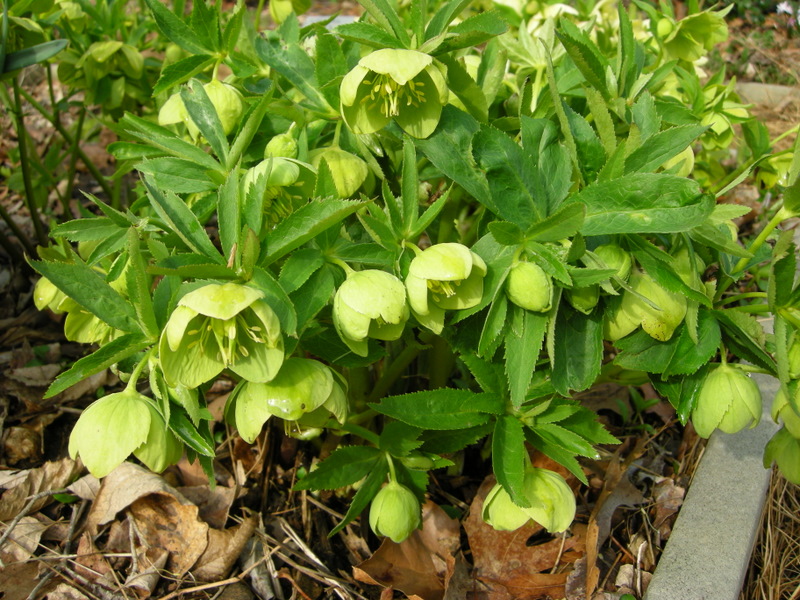
Helleborus odorus is native to woodland margins and thickets of Hungary, Romania, and the former Yugoslavia.  Its name means fragrant, and it is one of the more commonly grown species.  On warm days, H. odorus and H. cyclophyllus perfume my whole species hellebore area.  I have never noticed that this trait was passed on to any hybrid flower.  As noted above, it is not ornamentally distinct from H. cyclophyllus.

Helleborus torquatus

Helleborus torquatus is native to light deciduous woods and clay soil of the  former Yugoslavia.  Its name means with a collar, referring to the pale ring around the neck of the flower, which you can see in the photo above.   Its leaves have 15 to 25 long tapering segments giving the whole plant a unique spidery look.   It produces double flowers in the wild and also contributes purple and blue color and metallic highlights to the hybrids.  It is the rarest of the species in this article, and I have only been able to acquire it from one source.

Helleborus viridis (Green Hellebore)

Helleborus viridis is unusual culturally and geographically because it is native to the moist deciduous woods and meadows and clay soil of western Europe and the U.K.  Most of these species hellebores require well-drained soil and are native to eastern Europe.  Its name means green, and its flowers are certainly the best green of the species.  I find them quite beautiful.

Helleborus orientalis (Lenten Rose)

There are three subspecies of Helleborus orientalis, the Lenten rose.  The photos above are of  a plant sold to me as H. orientalis subsp. abchasicus.  However, because of the green carpels and spotted flowers, I am inclined to think it is subsp. guttatus. The seed came from well known hellebore expert Will McLewin.  It is native to open fields as well as scrub and woodlands of the Caucasus Mountains where Europe meets Asia, which explains its name meaning of the Orient. Most hybrid hellebores are derived at least in part from H. orientalis, which is why they were originally called Orientalis hybrids.

Helleborus multifidus

Helleborus multifidus is native to the deciduous woods and open scrubland of Italy, the former Yugoslavia, and Albania.  Its name means much divided, referring to its beautiful frilly leaves.  I grow three of its four subspecies, which I treasure for their foliage, and two are pictured below.
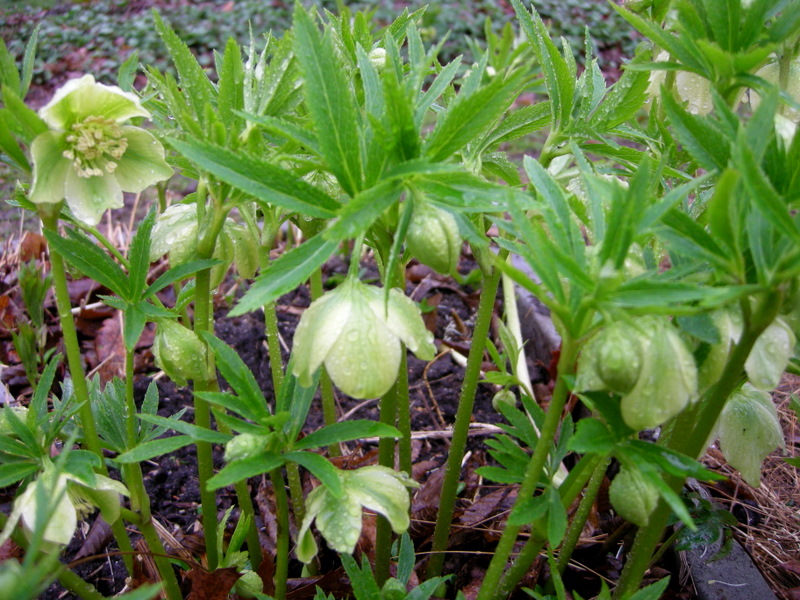
Helleborus multifidus subsp. bocconei is a variant from central and southern Italy and Sicily named for a Sicilian botanist.  It is said to be a better garden plant than the other subspecies and certainly makes a gorgeous lacy statement in my gardens.

Helleborus multifidus subsp. hercegovinus is native to Bosnia and Herzegovina.  It is definitely harder to grow but well worth the effort for its extraordinary leaves, which can be divided into 100 leaflets.

I hope you have enjoyed my photo gallery with short descriptions for each of the nine hybrid hellebore parents.  I have spared you many details that interest me as a collector.  I felt that this was enough to take in in one article.  I should probably also mention that none of the photos above picture the true leaves of the plants, which come out after the flowers.  What you are seeing above are the bracts, which are part of the flower stem and often reflect the leaf characteristics.  If readers are truly interested, I could photograph the leaves, which in many cases are extraordinary, for a later article.

I would really appreciate reader feedback on your experiences with these species, and I would especially like to know if you think any of them are mislabeled and why.

Caroly

This is part of a series of articles on hellebores, one of the specialties of my nursery.  Here are links to the other articles:

Part One        Hellebores for Fall

Part Two       An Ode to Seed Strain Hellebores

Part Three   Christmas Rose: The Perfect Hellebore

Part Four      Dividing Hybrid Hellebores

Part Five       The Sex Lives of Hellebores

Part Six          Double Hellebores

Part Seven   Cutting Back Hellebores

Notes: Every word that appears in orange on my blog is a link that you can click for more information.  If you want to return to my blog’s homepage to access the sidebar information (catalogues, previous articles, etc.), click here.

Nursery Happenings: I sell several of the species hellebores pictured above so if you are interested send me an email (no mail order).  My next nursery event is Bulb and Native Wildflower Day on April 9 from 10 am to 2 pm.

Thanks from Tara:

In my post I Need Your Help, I asked you to send cards to Tara, the five-year-old daughter of Kartik whom I profiled inNew Year’s Resolution to Edit the Garden. Tara had recently been diagnosed with leukemia.  As a result of your generosity, Tara received cards from all over the world and has sent you one in return.


2011 Winter Interest Plants

Posted in bulbs for shade, garden to visit, landscape design, Shade Shrubs, snowdrops, winter interest with tags , , , , , , , , , , , , on March 20, 2011 by Carolyn @ Carolyns Shade Gardens

Carolyn’s Shade Gardens is a retail nursery located in Bryn Mawr, PA, specializing in showy, colorful, and unusual plants for shade.  The only plants that we ship are snowdrops and miniature hostas.  For catalogues and announcements of events, please send your full name, location, and phone number (for back up use only) to carolyn@carolynsshadegardens.com.  Click here to get to the home page of our website for catalogues and information about our nursery and to subscribe to our blog.

Japanese flowering apricot, Prunus mume

On March 3, 7, and 13, my customers and I attended seminars on Snowdrops and Other Winter Interest Plants given by Charles Cresson at his garden, Hedgleigh Spring in Swarthmore, Pennsylvania (US).  Charles is the instructor for the Longwood Gardens certificate course “Hardy Spring and Fall Bulbs” as well as the author of several gardening books.  He is also a frequent lecturer, most recently at the Planting Fields Arboretum on Long Island and Rare Find Nursery in New Jersey for presentations on “Choosing Hardy Camellias for Spring and Fall”.

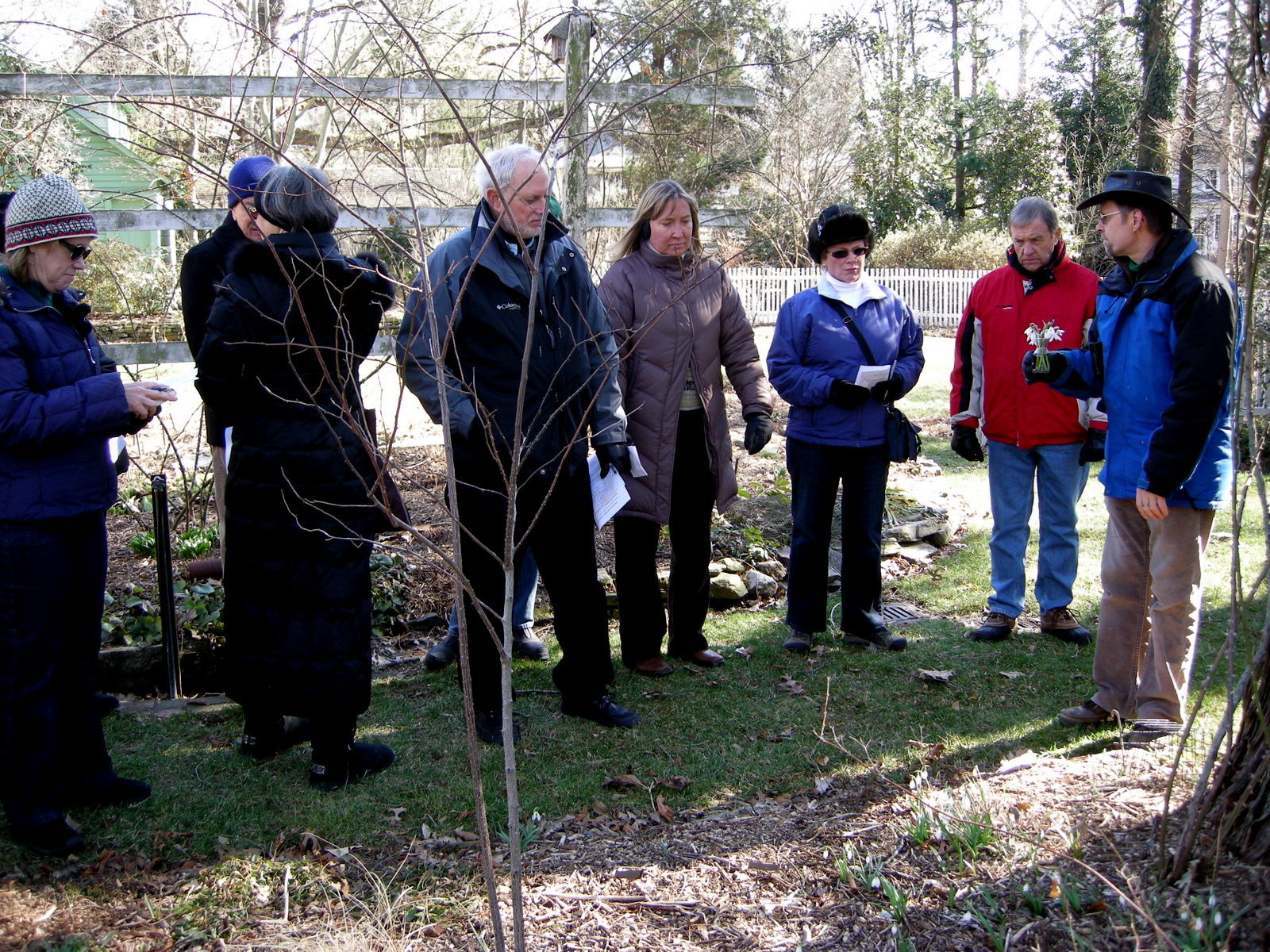
Charles Cresson, kneeling to point out plicate leaves on a snowdrop, to seminar attendees.

Charles trained at the Royal Horticultural Society, Wisley, in England and the Kalmthout Arboretum in Belgium, best known for its witch hazel introductions.    He has worked at Meadowbrook Farm, Winterthur, Nemours, and Chanticleer.  His grandfather built the house at Hedgleigh Spring in 1911 and created the garden over the course of 50 years.  Charles has gardened there for  more than 40 years.

Every time we viewed a new snowdrop, no matter how rare, Charles picked two flowers and passed them around so that we could closely examine the markings and experience the fragrance.  He then collected the flowers in a little vase for later comparison.

What a treat Charles’s seminars were.  Even though I attended all three sessions, I learned something new each time and came away with a deep admiration for Charles’s encyclopedic knowledge of plants and the depth of his plant collection, not to mention a wish list of plants for my own gardens.  I also appreciated how each plant was not just deposited in the garden but was carefully incorporated into the overall design.

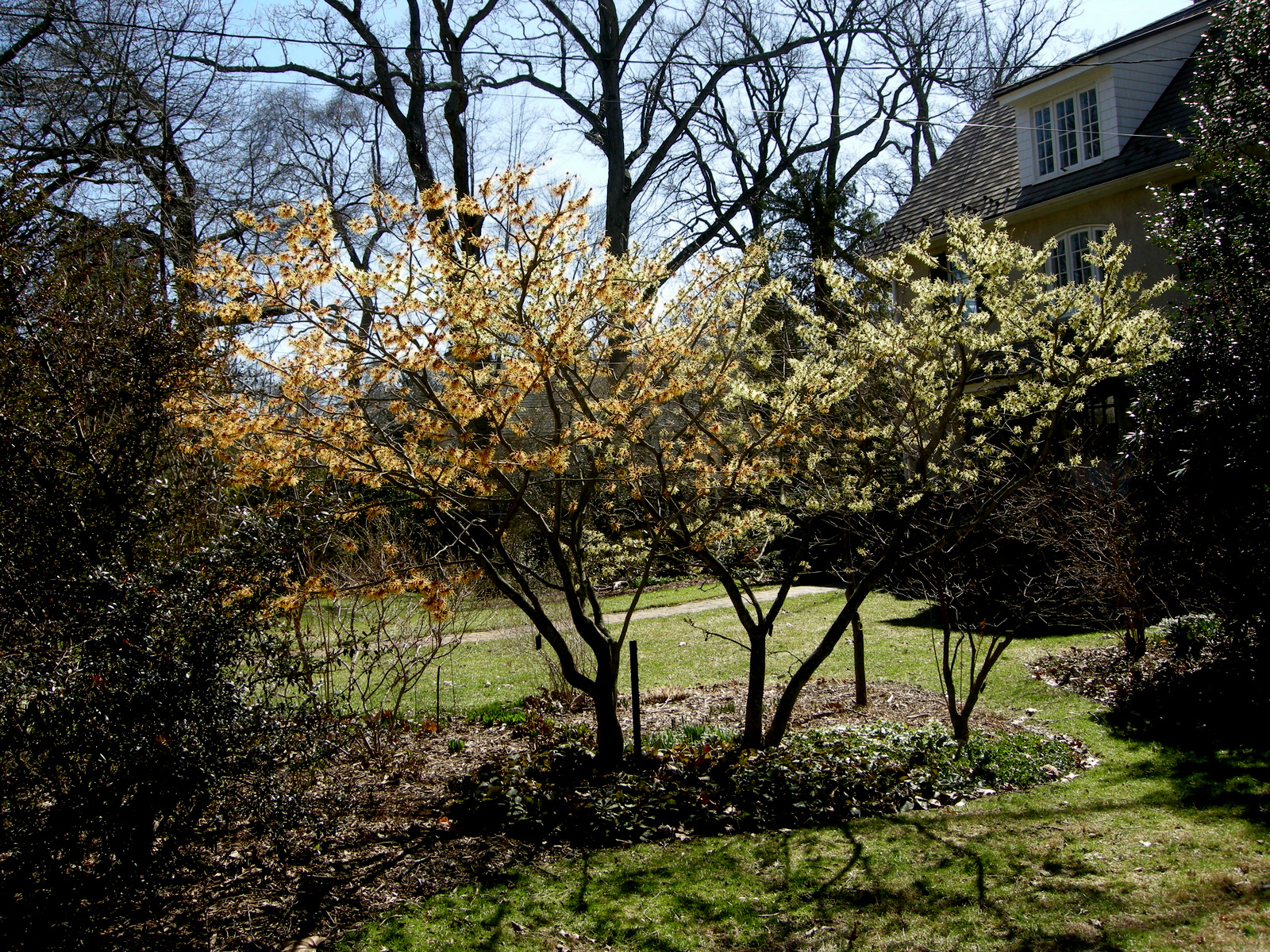
The seminars began in the front garden viewing the hybrid witch hazel cultivars Hamamelis x intermedia ‘Jelena’ (dark orange) and ‘Moonlight’ (pale yellow) underplanted with snowdrops, winter aconite, and various perennials. Charles does not recommend ‘Moonlight’ because it holds its dead leaves.

It would be hard to name another garden with the wealth of unusual plants that Charles has found and nurtured to perfection over the years.  That being said I thought my customers who were unable to attend the seminars and my worldwide blog readers might like to see what we saw.  I have organized the plants by category below with commentary in the caption where relevant.

We crossed a stone bridge to view the meadow where snow crocus and common and giant snowdrops were massed to be succeeded by daffodils, camassia, and then summer and fall blooming flowers.

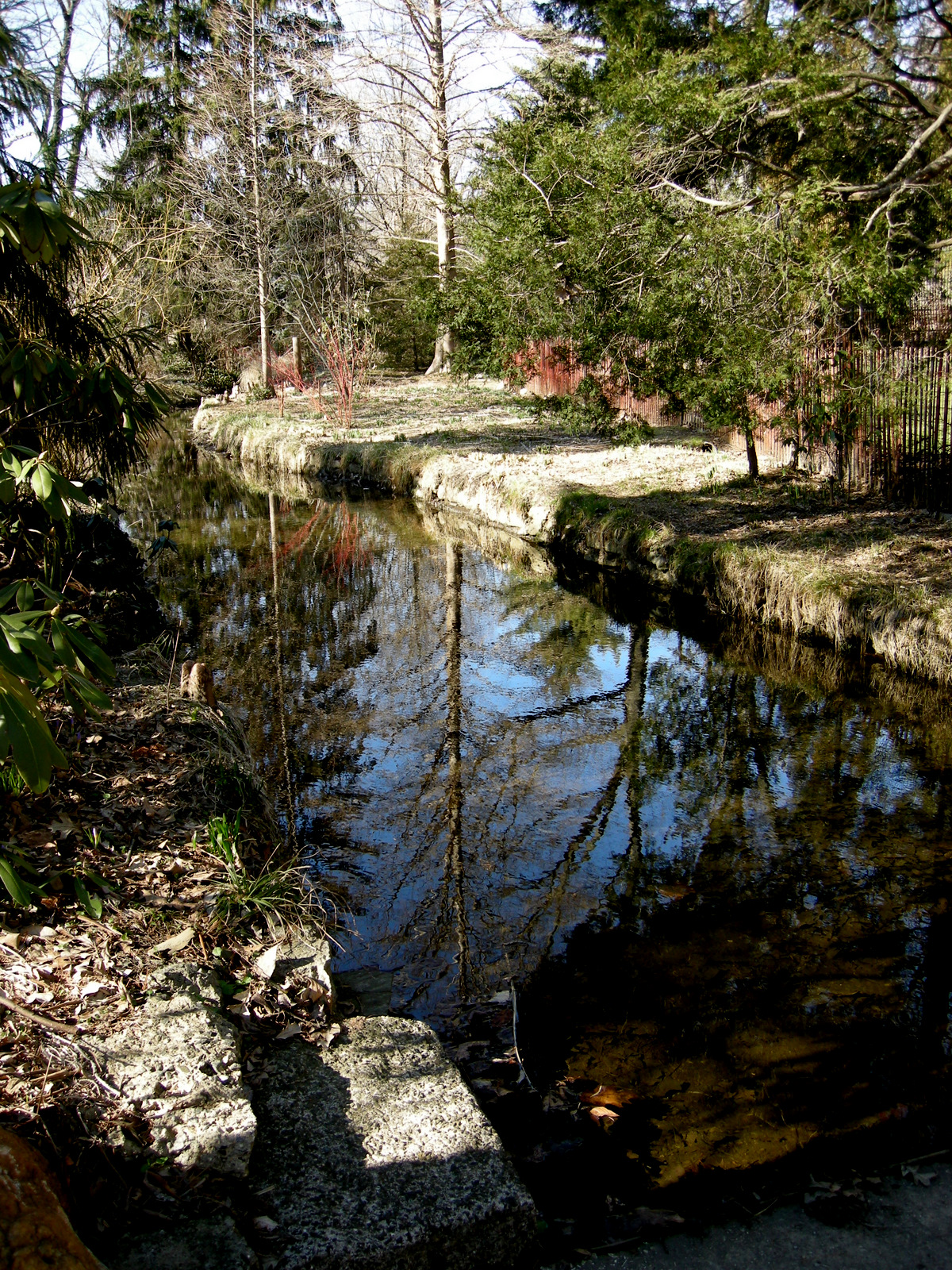
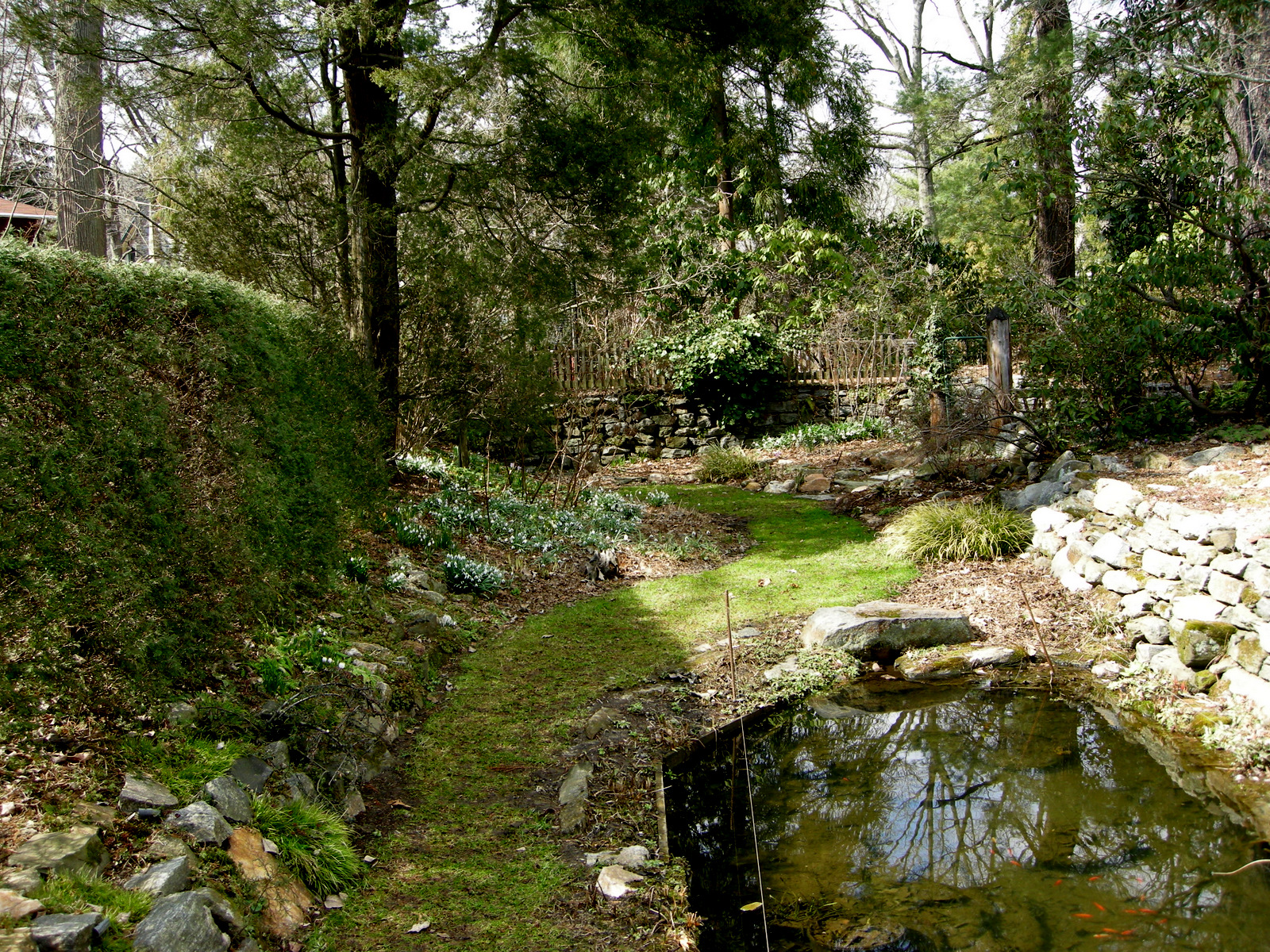
A narrow path skirts the pond, which is surrounded on all sides by rock gardens full of unusual plants.

The Bulbs

We saw so many rare and unusual bulbs that I can only include a sampling here.

A rare pale yellow form of winter aconite, Eranthis hyemalis

The exquisite buds of the species crocus C. imperati ‘De Jager’

Masses of the rodent resistant and very early blooming snow crocus, Crocus tommasinianus ‘Whitewell Purple’, shadowed by a magnificent Japanese maple.

The very early blooming daffodil Narcissus ‘Rijnveld’s Early Sensation’

A very good form of winter blooming hardy cyclamen, Cyclamen coum

The reticulate iris I. histrioides ‘George’

There were large patches of spring snowflake, Leucojum vernum, throughout the garden.

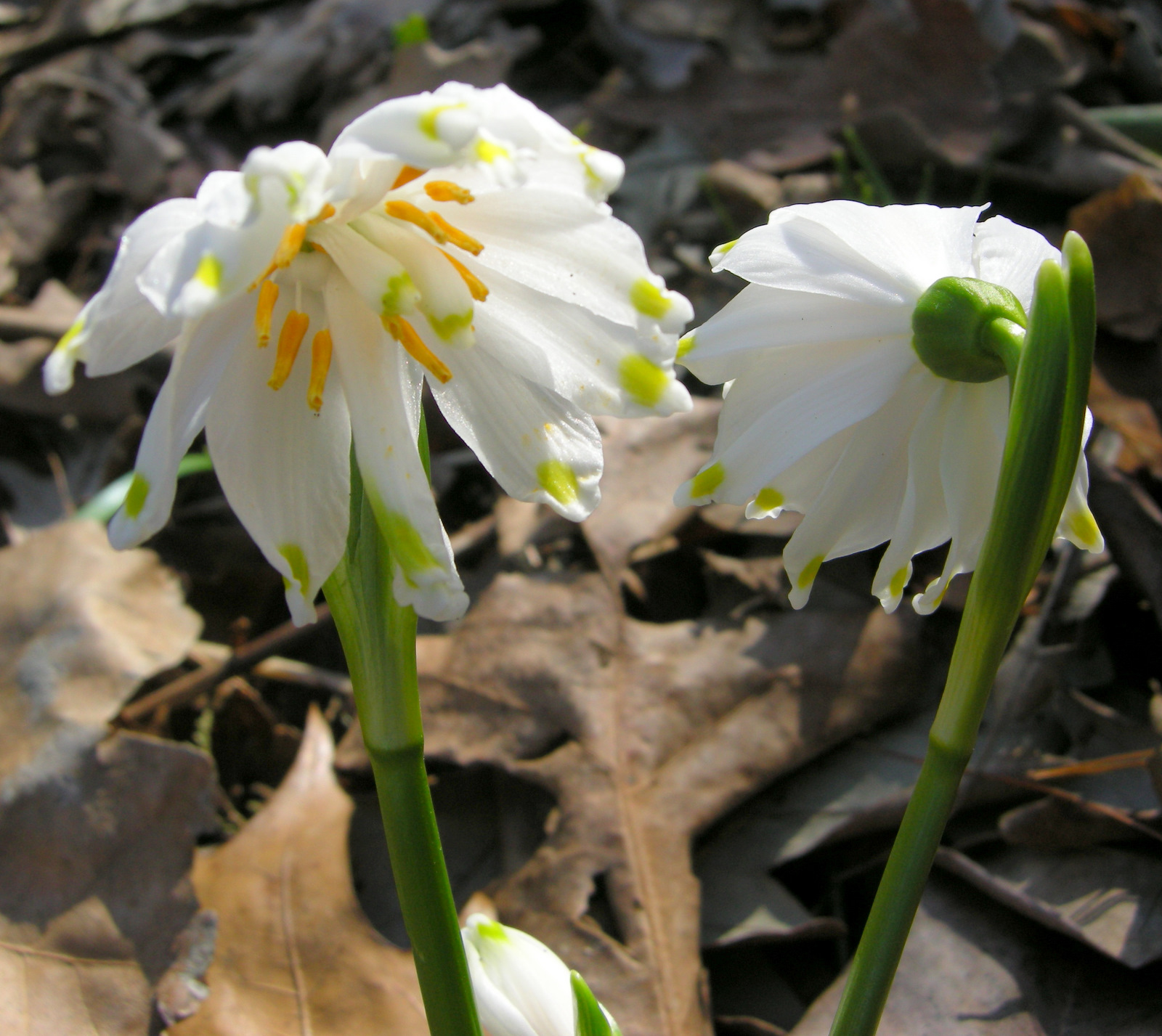
The flower of spring snowflake, Leucojum vernum

We were privileged to see this semi-double form of spring snowflake,  which Charles has named  Leucojum vernum ‘Gertrude Wister’ and registered with the Dutch bulb authority.

The Snowdrops

If you read my blog, you know what a galanthophile I am so with supreme effort I have limited myself to just a few of the many snowdrops we saw.

Clockwise from upper left: G. elwesii var. monostichus, G. ikariae, ‘Jaquenetta’, ‘Straffan’, G. plicatus subsp. byzantinus, ‘Dionysus’

Galanthus ‘Brenda Troyle’, confused in the trade but still quite lovely

Galanthus plicatus subsp. byzantinus Cresson GardenThe elegant pleated leaves and plump flowers of Galanthus plicatus subsp. byzantinus

The beautiful shiny green leaves of Galanthus woronowii

There were drifts of Galanthus ‘S. Arnott’, called the ‘desert island snowdrop’ because it is the one cultivar many galanthophiles would choose if they were limited to one.

The Perennials

A very rare perennial for shade Amur adonis, A. amurensis ‘Fukuju Kai’

Helleborus niger double form Cresson gardenA semi-double form of Christmas rose, Helleborus niger, which I have only seen at Hedgleigh Spring

The Algerian iris, I. unguicularis, blooming in early March with a beautiful fragrance

The Shrubs

Koehne holly, Ilex x koehneana, looking as fresh and beautiful as it did in the fall

Camellia japonica ‘Spring’s Promise’ was one of several very early spring-blooming camellias that we saw.

Grape holly, Mahonia x media ‘Arthur Menzies’

A highlight for me were the buds on this paperbush, Edgeworthia chrysantha ‘Snow Cream’, which look like the tassels on Victorian cushions

Hybrid witch hazels, Hamamelis x intermedia ‘Jelena’ and ‘Moonlight’

I hope you have enjoyed your virtual seminar.  Please let me know in a comment/reply what your favorite winter interest plant is.

Carolyn

Notes: Every word that appears in orange on my blog is a link that you can click for more information.  If you want to return to my blog’s homepage to access the sidebar information (catalogues, previous articles, etc.), just click here.

Nursery Happenings: My first open house sale is Saturday, March 26, from 10 am to 3 pm, featuring hellebores and other winter and early spring blooming plants for shade (checks and cash only).  For directions and parking information, click here.

March GBBD: The Philadelphia International Flower Show

Posted in Garden Blogger's Bloom Day, hellebores, snowdrops, winter, winter interest with tags , , , , , , , , , , , , , , , , , , , , , , , , on March 14, 2011 by Carolyn @ Carolyns Shade Gardens

Carolyn’s Shade Gardens is a retail nursery located in Bryn Mawr, PA, specializing in showy, colorful, and unusual plants for shade.  The only plants that we ship are snowdrops and miniature hostas.  For catalogues and announcements of events, please send your full name, location, and phone number (for back up use only) to carolyn@carolynsshadegardens.com.  Click here to get to the home page of our website for catalogues and information about our nursery and to subscribe to our blog.

It is time to walk around your garden again and assess what you need to add to make the beginning of spring an exciting time in your landscape.  Do you need more early-blooming hellebores, to give you a reason to go outside?  Could your garden benefit from flowers that bloom in early March like hardy cyclamen, snow crocus, or snowdrops to relieve the gray?

Make a list and take photographs so that when you are shopping this spring you know what you need and where it should go.  I know it’s still pretty cold outside, but you never know what you might find to end the winter doldrums like the beautiful double-flowered hellebore (pictured above), which I discovered during my own  inventory.  More photos of my blooming plants are included at the end.

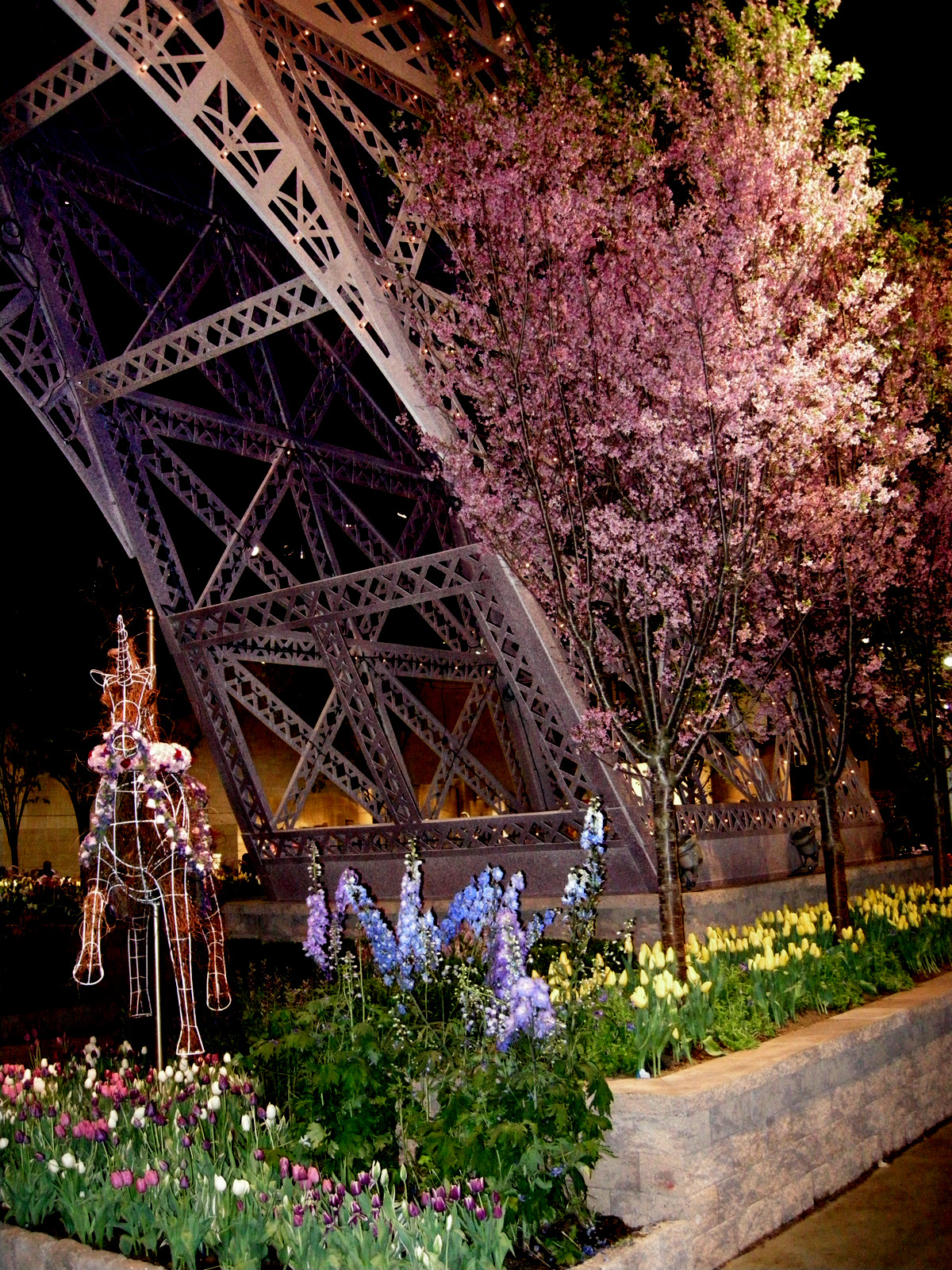
As you entered the 2011 Philadelphia International Flower Show, you walked under a very large replica of the lower half of the Eiffel Tower

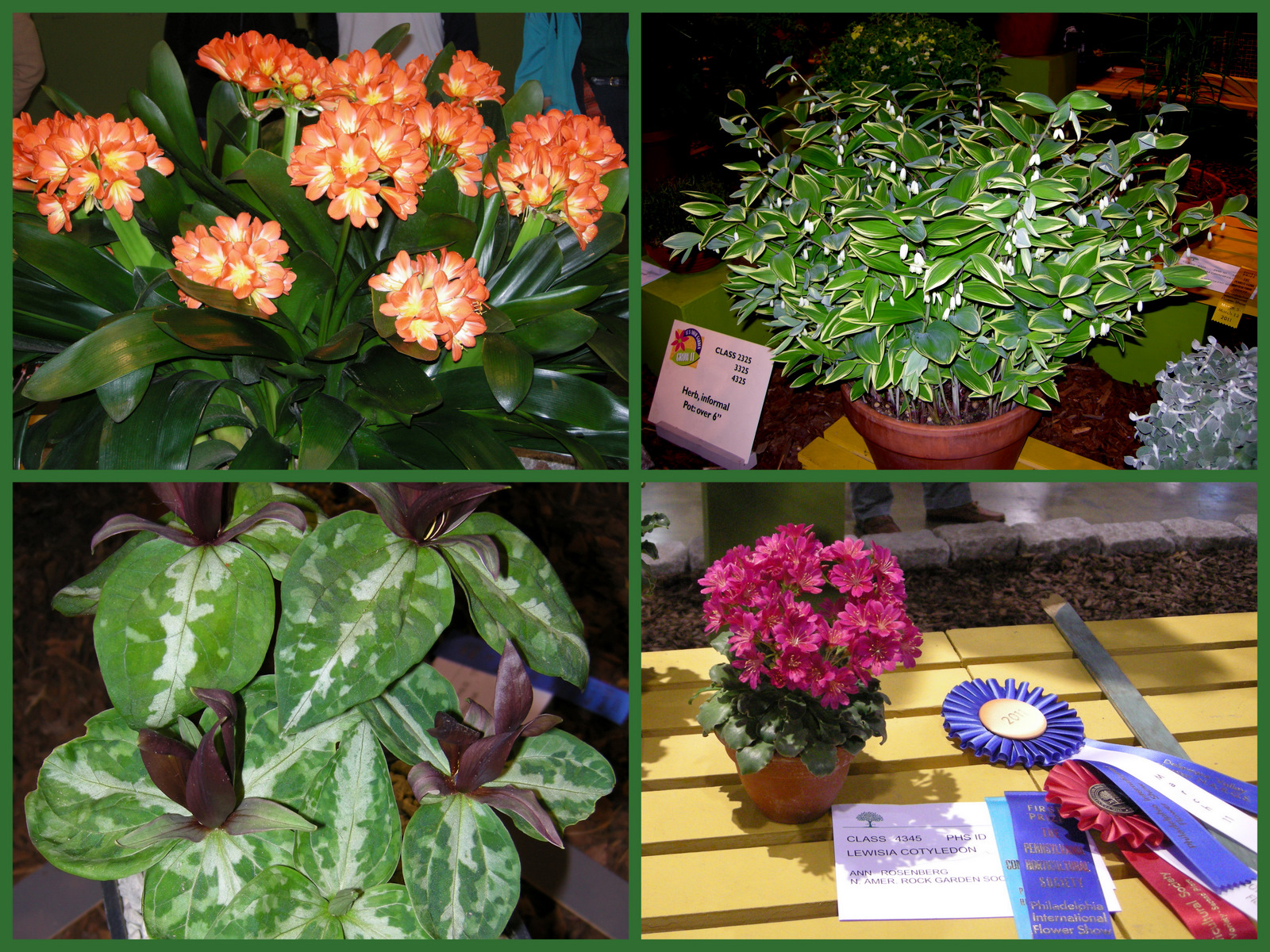
If you need ideas, there is no better place to go in the mid-Atlantic this time of year than the 2011 Philadelphia International Flower Show.  It is the largest indoor flower show in the world.  This year’s theme was “Springtime in Paris”, and the designers went all out.  I sent photos of some of the weirder stuff to Cheri at Along Life’s Highway The Yard Art Game, and you can see them by clicking here.  But I found the following displays and entries inspirational for my own garden:

There is nothing more beautiful than an individual well grown plant

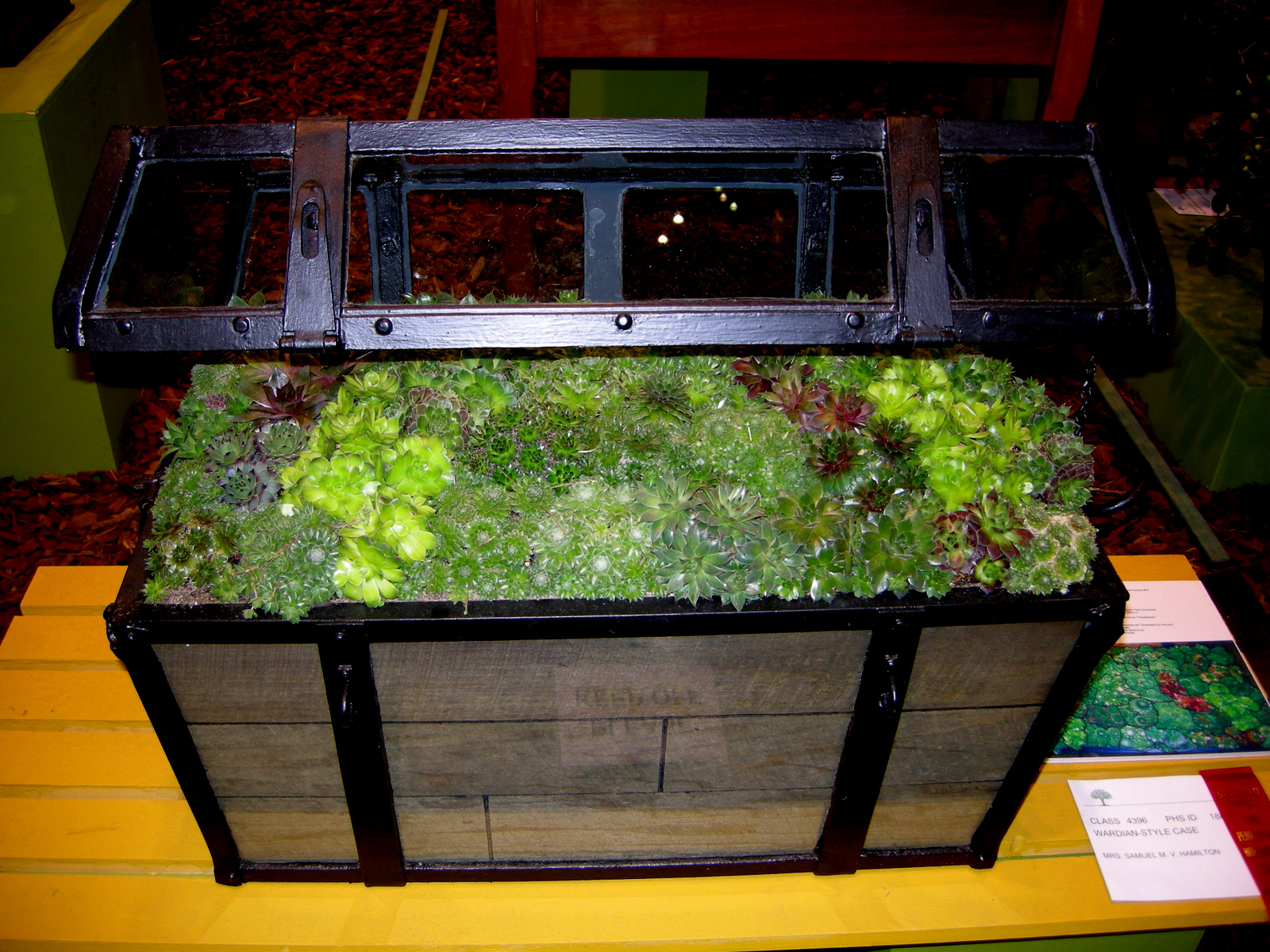
A new idea for my sedum displays, which are fantastic in containers

Inspiration to upgrade my troughs

I need an elegant metal gate for my walled compost area

Simple can be very beautiful

Today is Garden Blogger’s Bloom Day for March when gardeners around the world show photos of what’s blooming in their gardens (follow the link to see  photographs from other garden bloggers assembled by Carol at May Dreams Gardens).  Here are  some more highlights from my mid-March stroll through Carolyn’s Shade Gardens:

Eranthis hyemalisWinter aconite, Eranthis hyemalis

Scilla mischtschenkoanaVery early-blooming Tubergen squill, Scilla mischtschenkoana

My original snow crocus, Crocus tommasinianus, which is rodent resistant, has multiplied into thousands of plants

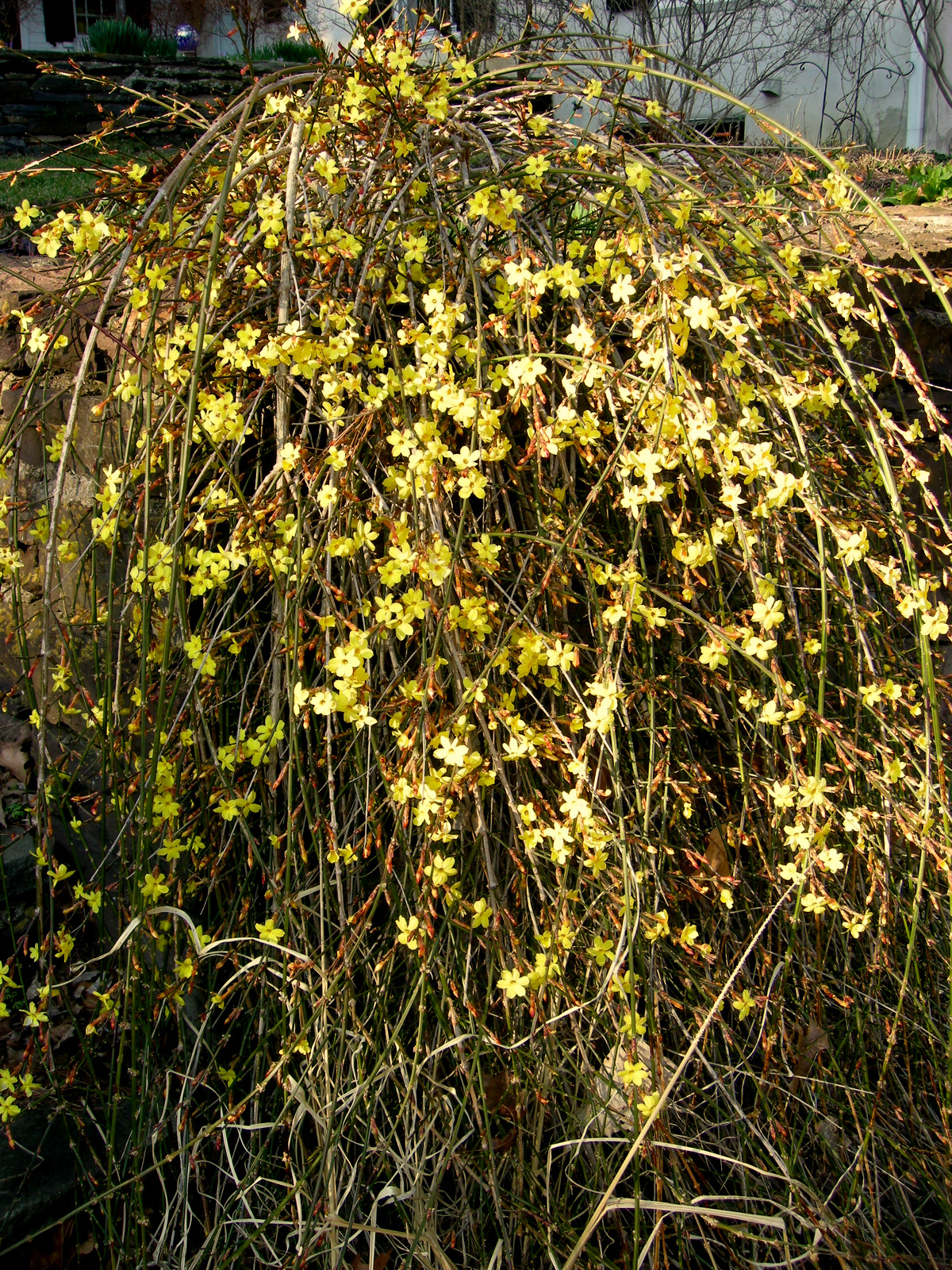
Winter jasmine, Jasminum nudiflorum, has no scent but makes up for it by blooming so early

Winter-blooming hardy cyclamen, Cyclamen coum ‘Rose’

I want to include hundreds of hellebore photos but am limiting myself to some really special plants:

The rare species Helleborus purpurascens

The flower of Helleborus purpurascens

Another even rarer species Helleborus viridis: inspired by Laura at PatioPatch, I am dedicating this flower to the people of Japan because green is the color for hope

A cross between Corsican hellebore and Christmas rose, Helleborus x nigercors ‘Honeyhill Joy’

A very beautiful anemone-centered hybrid hellebore where the nectaries have become petal-like (petaloid)

Another petaloid hybrid hellebore

‘Blue Lady’ hybrid hellebore

Hybrid hellebore with picotee markings (darker edges, veins, and nectaries)

A very good yellow hybrid hellebore with maroon nectaries

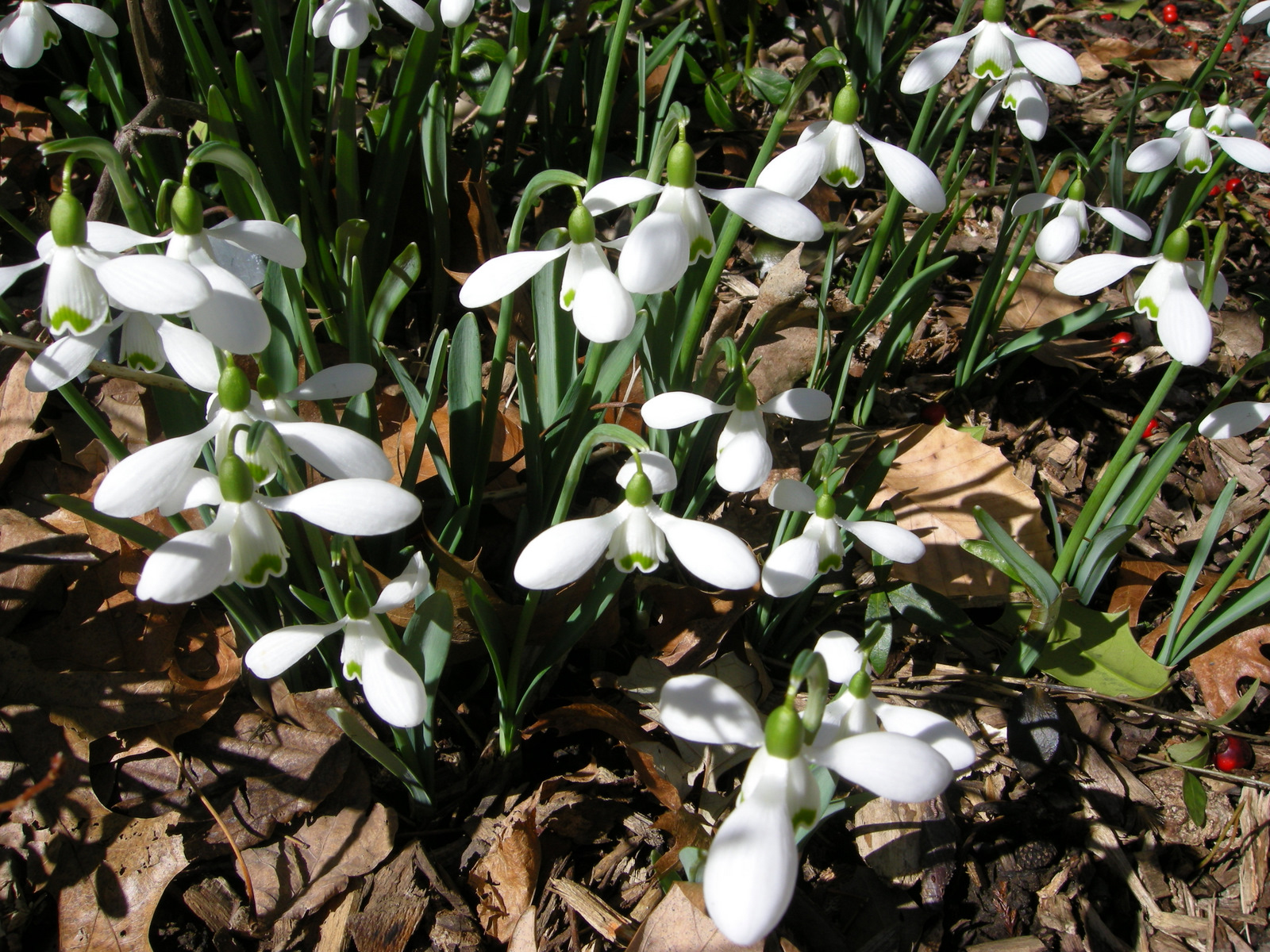
Some of the thousands of common snowdrops, Galanthus nivalis, which have multiplied on my property since the 1800s:

Common snowdrop with Italian arum, Arum italicum ‘Pictum’

Common snowdrop with Heuchera ‘Creme Brulee’ displaying its winter color

Some of my very special snowdrop cultivars:

Galanthus 'Ophelia'Double-flowered Galanthus ‘Ophelia’

The unusual species with pleated leaves, Galanthus plicatus subsp. byzantinus

Galanthus 'Lady Beatrix Stanley'Galanthus ‘Lady Beatrix Stanley’

Galanthus nivalis 'Blewbury Tart' at Carolyn's Shade GardensThe crazy upward facing double, Galanthus nivalis ‘Blewbury Tart’

Galanthus 'Flore Pleno' at Carolyn's Shade GardensThe double-flowered common snowdrop, Galanthus nivalis ‘Flore Pleno’

The only yellow-flowered double, Galanthus nivalis ‘Lady Elphinstone’

A beautiful yellow snowdrop, Galanthus plicatus ‘Wendy’s Gold’

Please let me know in a comment/reply what flowers are blooming in your early spring garden.  If you participated in GBBD, please provide a link so my nursery customers can read your post.

Carolyn


Notes: Every word that appears in orange on my blog is a link that you can click for more information.  If you want to return to my blog’s homepage to access the sidebar information (catalogues, previous articles, etc.), just click here.

Nursery Happenings: I have five spaces left for my March 19 Hellebore Seminar (March 18 is sold out).  For the brochure and registration information, click here.  My first open house sale is Saturday, March 26, from 10 am to 3 pm, featuring hellebores and other winter-blooming plants.

Dividing Hybrid Hellebores

Posted in hellebores, How to, Shade Perennials with tags , , on March 8, 2011 by Carolyn @ Carolyns Shade Gardens

Carolyn’s Shade Gardens is a retail nursery located in Bryn Mawr, PA, specializing in showy, colorful, and unusual plants for shade.  The only plants that we ship are snowdrops and miniature hostas.  For catalogues and announcements of events, please send your full name, location, and phone number (for back up use only) to carolyn@carolynsshadegardens.com.  Click here to get to the home page of our website for catalogues and information about our nursery and to subscribe to our blog.

Spring Planting Issue 2006, Horticulture Magazine

Back when I was writing for gardening magazines, I authored an article for Horticulture on dividing hybrid hellebores.  I suggested the topic because so many gardeners think hybrid hellebores are difficult to grow and wouldn’t think of dividing them.  Nothing could be further from the truth: they are easy to grow and propagate by division.

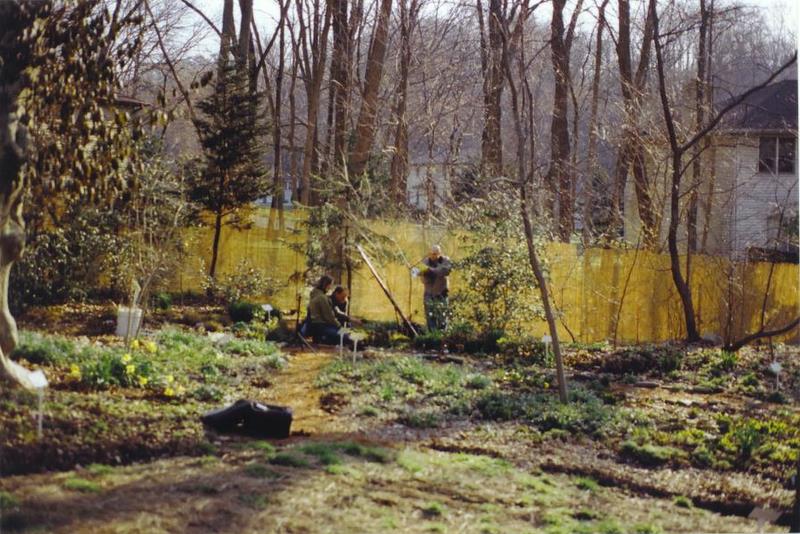
Horticulture photo shoot in my woodland

Hybrid hellebores are an ideal plant with their large flowers, which are ornamental in the mid-Atlantic from February (and sometimes earlier) to May, substantial wintergreen leaves, and resistance to deer.  For photographs of the full range of their colors, please read my article An Ode to Seed Strain Hellebores by clicking here.

Horticulture photo shoot at my potting bench

Reproduced below is my step-by-step guide to dividing a hybrid hellebore.  You probably can’t read the fine print so I will narrate the high points to go with the photos.

Hybrid hellebores are expensive relative to other perennials because it takes three to five years for them to bloom.  An economical way to increase your supply is to divide your own desirable plants.  The method outlined below can also be applied to all species hellebores except Majorcan hellebore (Helleborus lividus), Corsican hellebore (H. argutifolius), and bearsfoot hellebore (H. foetidus).  However, the most beautiful hybrid hellebore specimens in my garden are my large clumps that have never been divided.  They are four feet across and have hundreds of flowers.  I only divide a hellebore if  it is so special that I can’t replicate it without division.

For your first experience with dividing a hellebore, select a plant with between five and ten flowers, older plants are too woody.  I always divide my hellebores as they are coming into bloom because each flower represents a potential division.  Insert your spade in a circle all the way around the plant and pry it out of the ground as shown in the photos for steps 1 and 2.  Shake it to remove excess soil and then wash away the remaining soil to reveal the extensive root system as shown in step 3.

Before you attempt any cuts, please make sure you have a heavy duty knife that is very sharp, preferably with serrations on some portion of the blade.  Hellebores have very extensive, woody root systems and dividing them with an inadequate tool can be dangerous.  Make your cuts where you see natural divisions in the root system as shown in the photo for step 4, including some roots, woody rhizome, and flower stems in each division.  For your first attempt, separate your plant into no more than three divisions.

Plant your new divisions in full shade to almost full sun.  Dig the hole as shown in the photo for step 5 and mix the existing soil with an equal amount of compost before replanting.  Firmly tamp down the soil, water well, and mulch with ground leaves.  Although you should water until frost for the first season, hybrid hellebores require no supplemental water once established even in droughts.  I never water or fertilize my hellebores, but I do apply ground leaves yearly.

These  are some of the hybrid hellebores that I think are so special that I would consider dividing them

This is the method I use to divide almost all plants, not just hellebores.  I often read in gardening books that you should cut off a portion of the plant while it’s still in the ground and wonder if the writer has ever tried that method.  Only by digging the whole plant up can you avoid injury to the plant by viewing the unique way each individual plant needs to be divided.

Since writing this, I discovered that none other than the famous Gertrude Jekyll and I agree on this point.  In 1898, in Wood and Garden, she wrote: “I never divide things by brutally chopping them across with the spade….The only safe way [to divide a Christmas rose] is to wash the clumps well out and look carefully for the points of attachment, and cut them either with knife or chisel….”

Please let me know in a comment/reply about your experiences with dividing hybrid hellebores.

Carolyn

This is part of a series of articles on hellebores, one of the specialties of my nursery.  Here are links to the other articles:

Part One        Hellebores for Fall

Part Two       An Ode to Seed Strain Hellebores

Part Three   Christmas Rose: The Perfect Hellebore

Part Four      Dividing Hybrid Hellebores

Part Five       The Sex Lives of Hellebores

Part Six          Double Hellebores

Part Seven   Cutting Back Hellebores

Notes: Every word that appears in orange on my blog is a link that you can click for more information.  If you want to return to my blog’s homepage to access the sidebar information (catalogues, previous articles, etc.), just click here.

Nursery Happenings: I am currently accepting orders for snowdrops, including  mail orders.  For the catalogue and order information, click here.  I am taking reservations for my March 18 & 19 Hellebore Seminars.  For the brochure and registration information, click here.  The March 6 session of Charles Cresson’s Snowdrops and Other Winter Interest Plants Seminar has been rescheduled for March 13 and has a few spaces left.  For the brochure and registration information, click here.

Christmas Rose: The Perfect Hellebore

Posted in hellebores, Shade Perennials, winter interest with tags , , , , , on March 2, 2011 by Carolyn @ Carolyns Shade Gardens

Carolyn’s Shade Gardens is a retail nursery located in Bryn Mawr, PA, specializing in showy, colorful, and unusual plants for shade.  The only plants that we ship are snowdrops and miniature hostas.  For catalogues and announcements of events, please send your full name, location, and phone number (for back up use only) to carolyn@carolynsshadegardens.com.  Click here to get to the home page of our website for catalogues and information about our nursery and to subscribe to our blog.

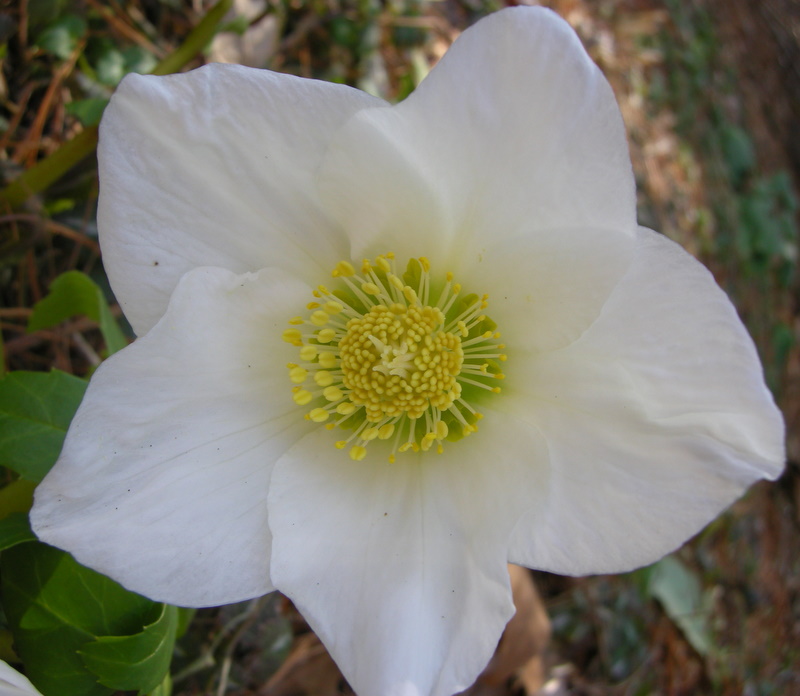
The pure white, outward-facing flower of Christmas rose, Helleborus niger

In the rush to seek out the newest and rarest hellebores on the market,  I am afraid that gardeners are neglecting to explore fully the wonderful qualities of the Christmas rose, Helleborus niger.  Christmas rose is a  species hellebore no garden should be without.  In addition, recently introduced cultivars have made this species a must have for gardeners seeking fall and winter interest.

The smooth, blue-green leaves of Christmas rose are pristine and beautiful and often have red stems

Christmas roses have been in cultivation for hundreds of years and are a very distinctive species hellebore with little variation in the wild.  They are native to woodlands and open areas of the central and eastern Alps in Switzerland, Germany, Austria, Slovenia, Croatia, and northern Italy.  They are about 9 to 12″ in height with a very woody root system.  The smooth, leathery dark blue-green leaves are deeply divided into 7 to 9 leaflets with irregular teeth around the tip.  If covered with snow, the leaves will stay pristine through the winter.

The buds of Christmas rose are quite ornamental

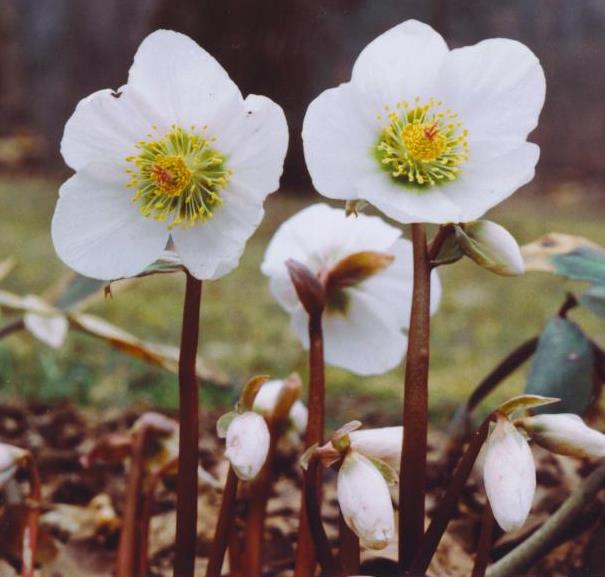
Christmas rose exhibiting its desirable characteristic of outward-facing flowers

Christmas roses have pure white flowers on upright fleshy stems.  The full, rounded blossoms are outward-facing and open flat with a width of 2 to 5″ and a bloom time starting anywhere from November to March, depending on the cultivar.  The flowers often age to shades of pink to red.  They make a very good cut flower.

Established Christmas roses produce an abundance of flowers

The flowers on Christmas roses often age to pink

Christmas roses prefer a well-drained site rich in organic matter.  High or dappled shade is best, and they seem to prefer the edge of beds.  Although they don’t like to be moved, they are easy to divide because their leaves and flowers are on separate stems.  Once they are established, all they need is a yearly mulch of ground leaves.  Christmas roses are usually found in areas with alkaline soil and several sources recommend applying lime, but I have never found this necessary.

The 3 1/2″ wide flowers of ‘Praecox’ Christmas rose in mid-February in my garden

There are several cultivars of Christmas rose that have enhanced the ornamental qualities of this already desirable hellebore.  The straight species blooms in the mid-Atlantic area of the U.S. in early March, after the hybrid hellebores, Helleborus x hybridus.  The Christmas rose cultivar ‘Praecox’ moves the start of bloom time up from March to mid to late January.  ‘Praecox’ also produces an abundance of flowers at a young age unlike the straight species, which can take a while to establish itself.

‘Jacob’ Christmas rose coming into bloom in my garden in November–its flowers are 3″ wide

Two more recent introductions from the Helleborus Gold Collection in Germany have moved the start of Christmas rose’s bloom time to November and extended it to May. ‘HGC Jacob’ begins blooming in my garden in mid-November, while ‘HGC Josef Lemper’ begins around December 1.  Both cultivars continue blooming into May.  For detailed descriptions of ‘Jacob’ and ‘Josef Lemper’, read my article Hellebores for Fall by clicking here.

The 4″ wide flowers of ‘Josef Lemper’ blooming through the snow in my garden in February

Although rarely for sale, I treasure my ‘Potter’s Wheel’ Christmas rose, a cultivar with huge flat, 5″ wide symmetrical flowers.  Although most ‘Potter’s Wheel’ is not true to type because it is seed grown, I acquired mine from Arrowhead Alpines, which vegetatively propagates their plants from the original ‘Potter’s Wheel’ in England.

The huge 5″ wide flowers of authentic ‘Potter’s Wheel’ Christmas rose

I hope that you will consider Christmas rose the next time you add to your hellebore collection.

Please let me know in a comment/reply about your own experiences with growing Christmas roses.

Carolyn

This is part of a series of articles on hellebores, one of the specialties of my nursery.  Here are links to the other articles:

Part One        Hellebores for Fall

Part Two       An Ode to Seed Strain Hellebores

Part Three   Christmas Rose: The Perfect Hellebore

Part Four      Dividing Hybrid Hellebores

Part Five       The Sex Lives of Hellebores

Part Six          Double Hellebores

Part Seven   Cutting Back Hellebores

Notes: Every word that appears in orange on my blog is a link that you can click for more information.  If you want to return to my blog’s homepage to access the sidebar information (catalogues, previous articles, etc.), just click here.

Nursery Happenings: I am currently accepting orders for snowdrops, including  mail orders.  For the catalogue and order information, click here.  I am taking reservations for my March 18 & 19 Hellebore Seminars.  For the brochure and registration information, click here.  I have a few spaces left for Charles Cresson’s Snowdrops and Other Winter Interest Plants Seminars.  For the brochure and registration information, click here.