Archive for January, 2012

Chanticleer in Winter: Texture

Posted in garden to visit, landscape design, winter, winter interest with tags , , , on January 28, 2012 by Carolyn @ Carolyns Shade Gardens

Carolyn’s Shade Gardens is a retail nursery located in Bryn Mawr, PA, specializing in showy, colorful, and unusual plants for shade.  The only plants that we ship are snowdrops within the US.  For catalogues and announcements of local events, please send your full name, mailing address, and cell number to carolyn@carolynsshadegardens.com and indicate whether you are interested in snowdrops, hellebores, and/or hostas.  Click here to get to the home page of our website for catalogues and information about our nursery and to subscribe to our blog.
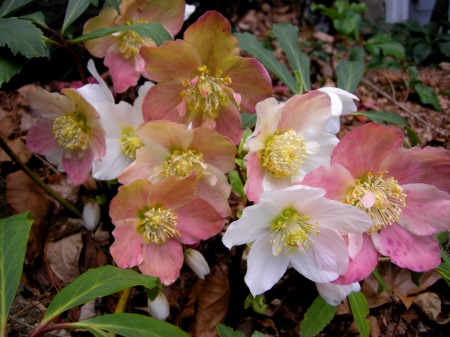
Chanticleer’s Teacup Garden in May

Chanticleer is a unique public garden in Wayne, Pennsylvania, U.S., which I have profiled in three previous articles.  The first, Chanticleer Part 1: A Pleasure Garden, gave an overview of this one-of-a-kind horticultural destination.  The second, Chanticleer Part 2: Garden Seating, focused on the huge variety of thoughtful seating areas in the Chanticleer gardens.  The third, Chanticleer Part 3:  Through the Seasons, showed the gardens as they evolve through spring, summer, and fall.


The Teacup Garden in January

To complete my series on Chanticleer through the year, I received special permission to visit the garden during the winter months when it is closed to the public.  As you can see from the photo above, all the “toys” are put away and most of the flowers and foliage are gone.  But the minute I stepped into the garden, the word TEXTURE appeared before me as if it was outlined in neon lights.  I have never had such an exciting visit to this garden because I saw it in a whole new way, and I hope I can communicate that to you.

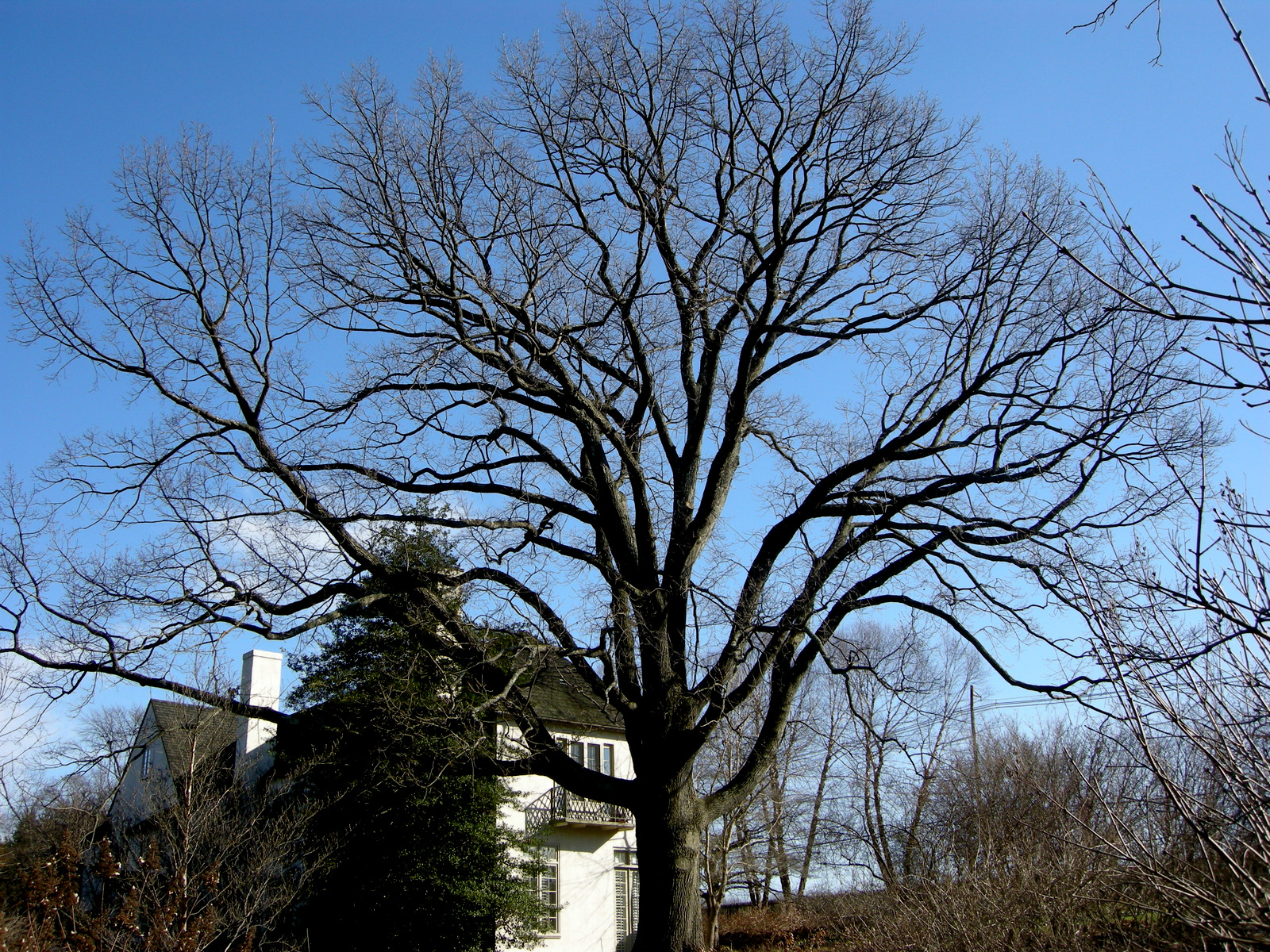
I always admire the elegant mature trees when I visit, but without their leaves or any flower gardens to distract me, they really stood out.

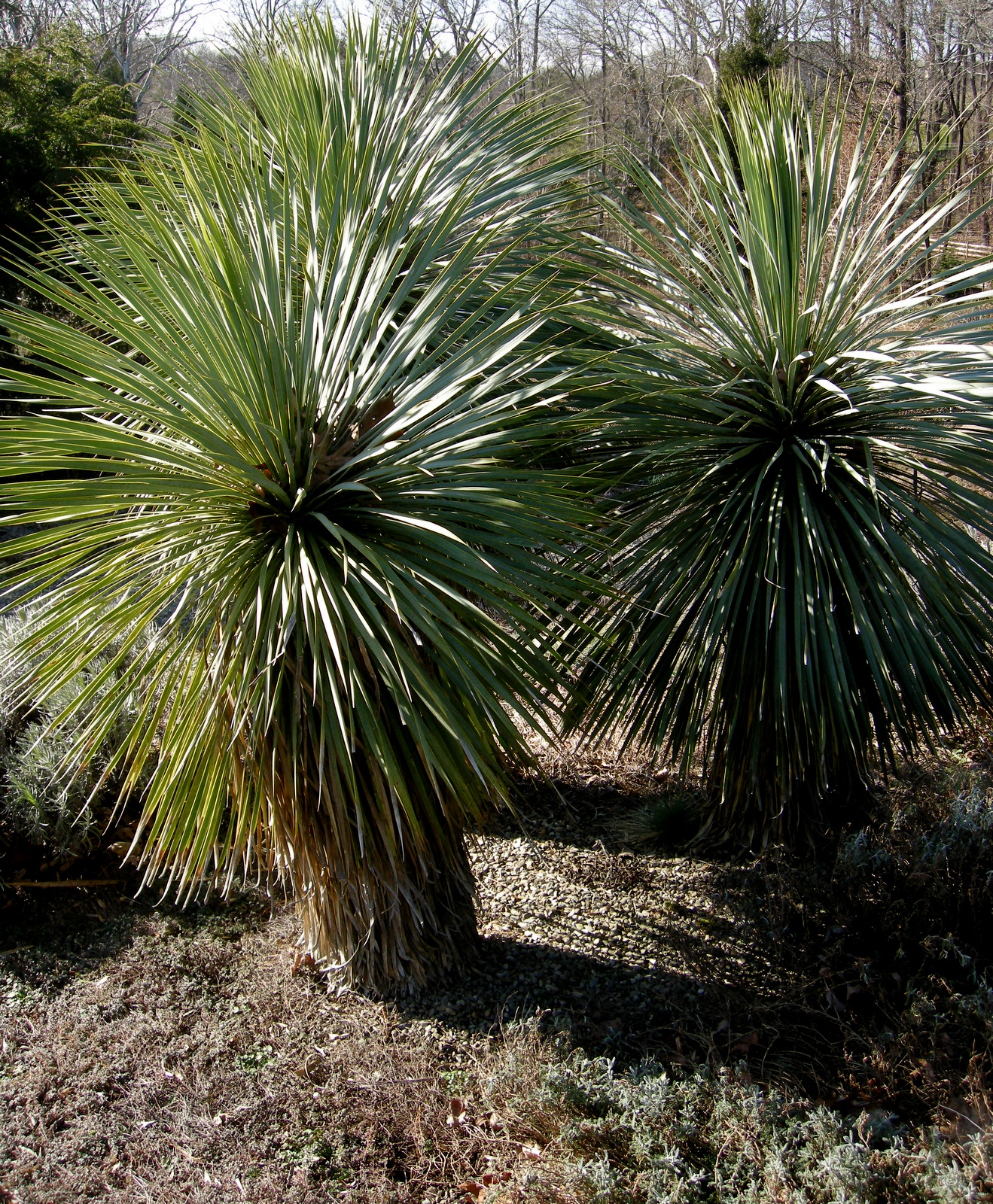
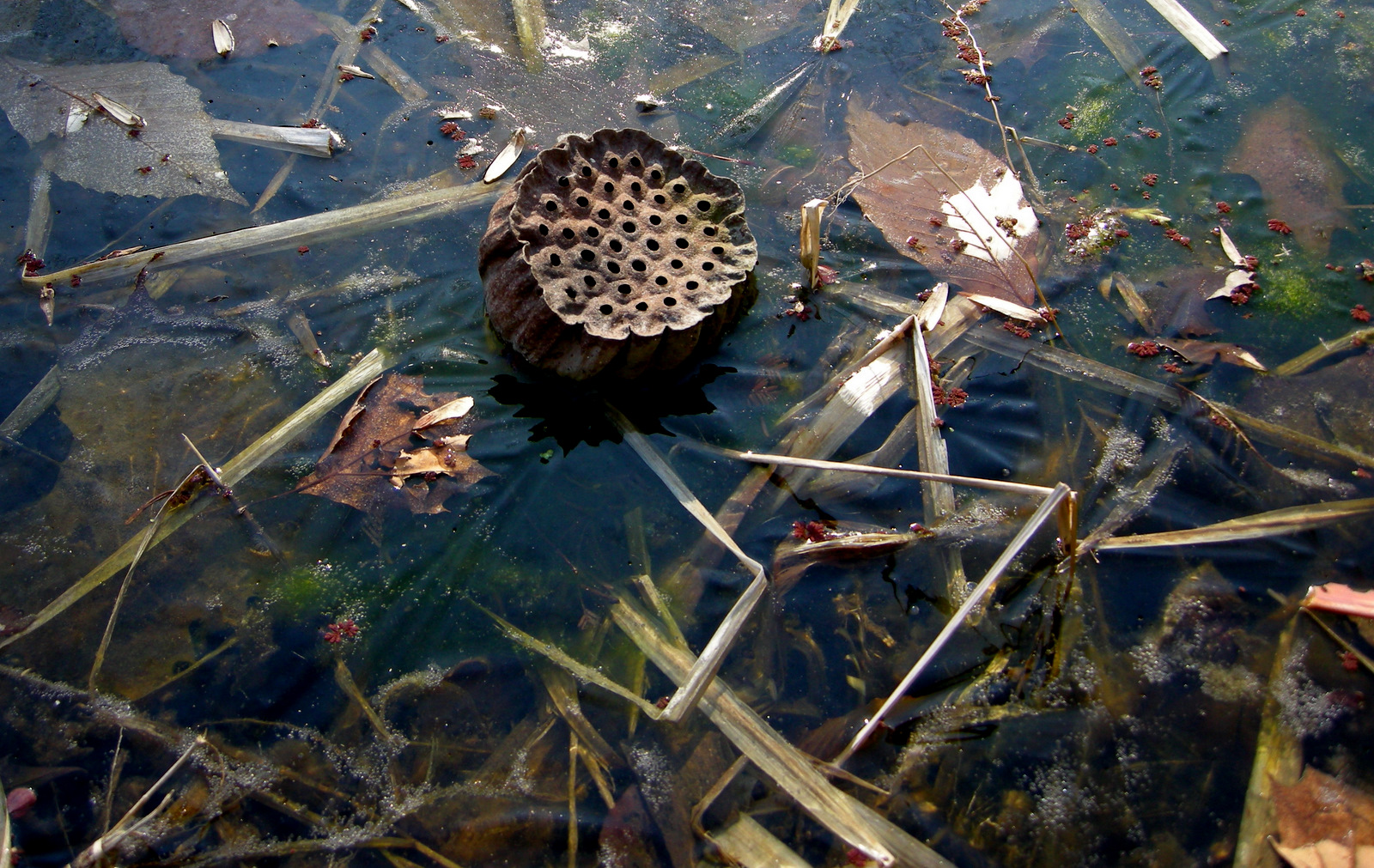
Texture was also provided by smaller plants, but not the way I expected:


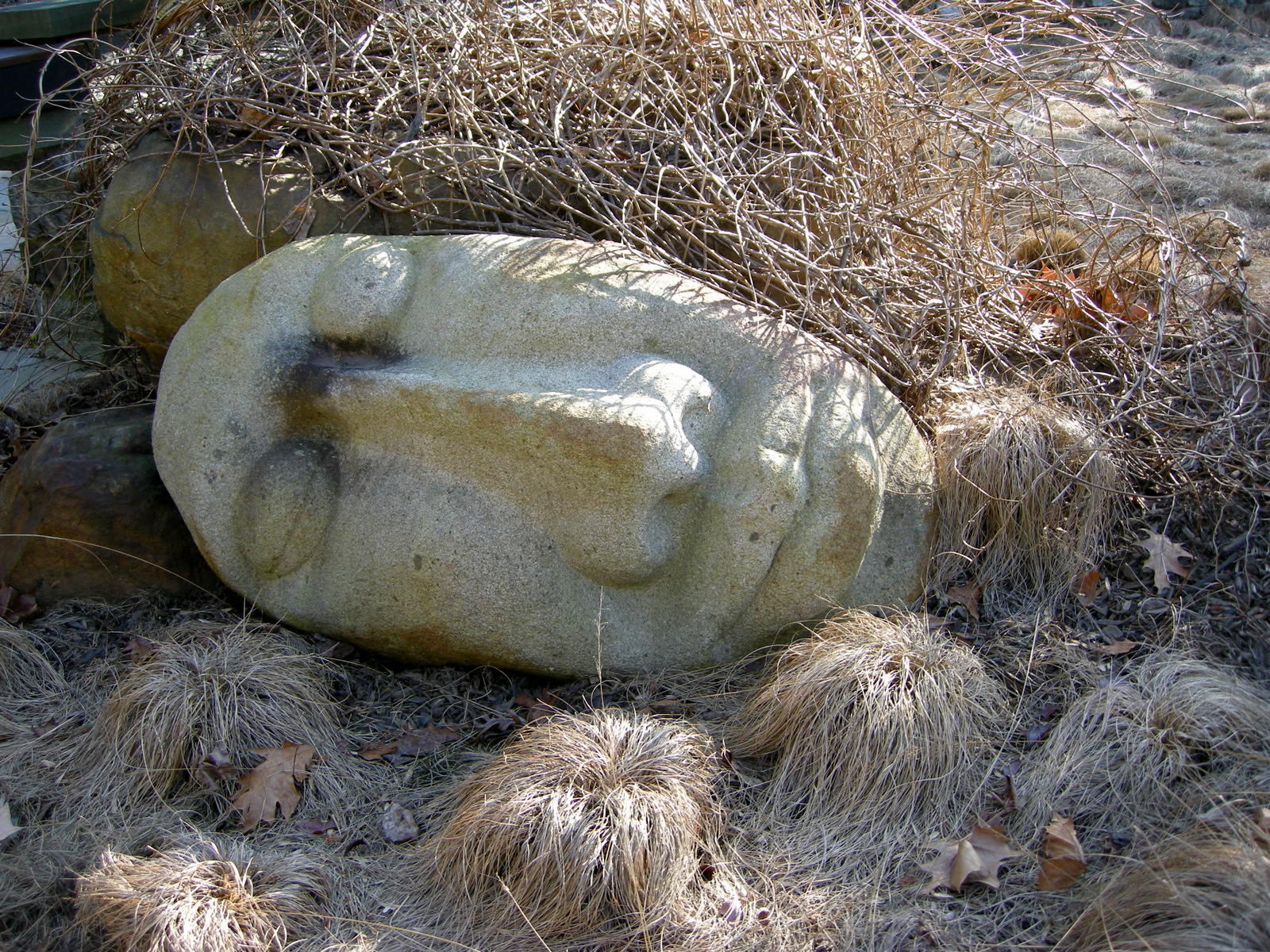
Hardscape, always a huge part of Chanticleer’s elegance and beauty, really dominated my visit:


The attention to detail in the paths, always a hightlight for me, was easier to see and appreciate:

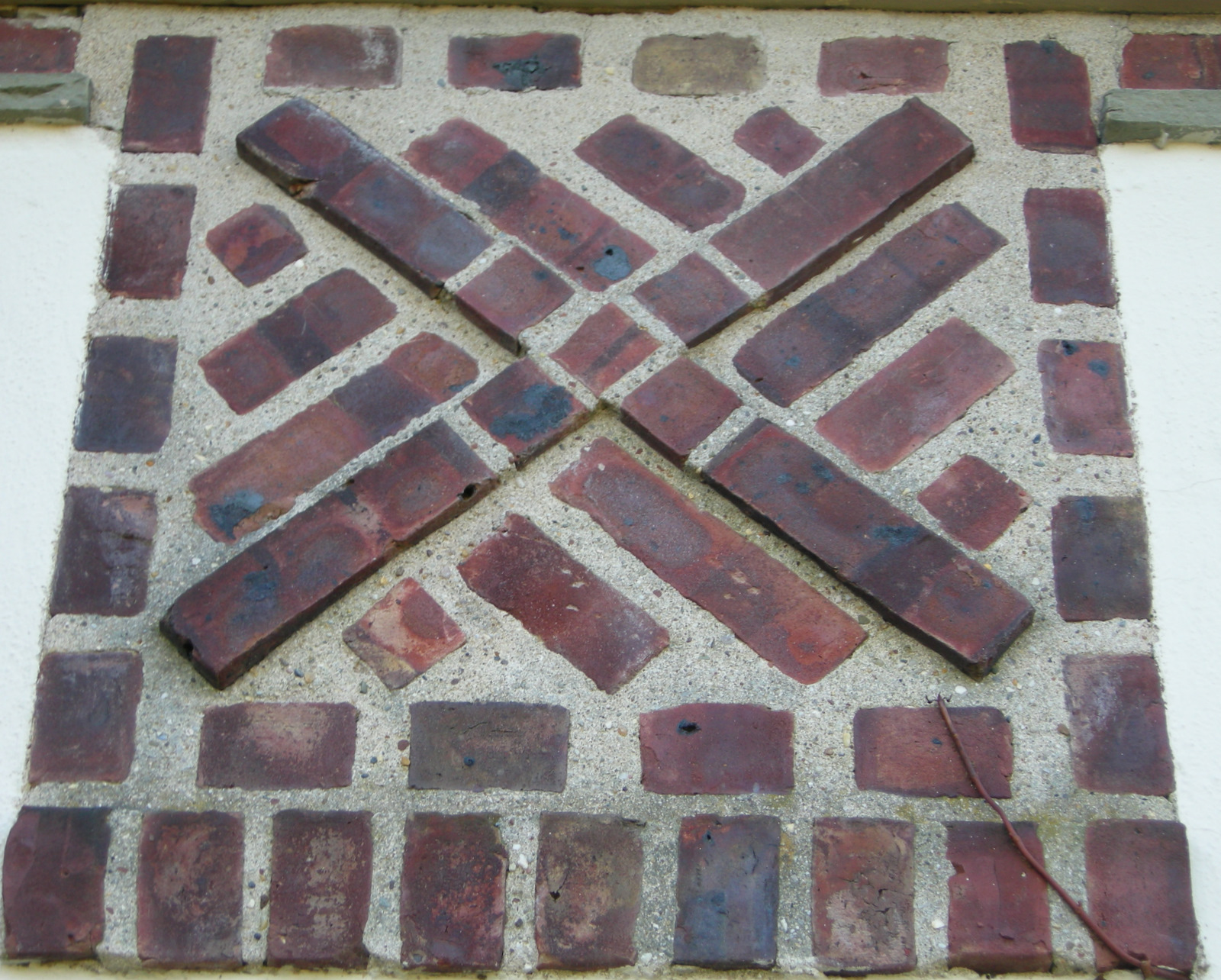
I decided not to add captions to the photos in this post, but if you want more information just run your cursor over the photo.  The location of the Lady in the Lake is secret so you will have to find her for yourself.

I want to thank Bill Thomas, Chanticleer’s Director, for making this visit possible, Fran DiMarco, Administrative Assistant, for arranging it, and Joseph Henderson, Horticulturalist, for providing some needed conversation in the sun so I didn’t freeze to death.  I have been promised a visit in the snow, and I might take them up on it if we ever get any of the white stuff.

Carolyn

Notes: Every word that appears in orange on my blog is a link that you can click for more information.  If you want to return to my blog’s homepage to access the sidebar information (catalogues, previous articles, etc.) or to subscribe to my blog, just click here.

New Snowdrops for 2012

Posted in New Plants, Shade Perennials, snowdrops, winter, winter interest with tags , , , , , , , , , , , , , , , , , , , , , on January 19, 2012 by Carolyn @ Carolyns Shade Gardens

Carolyn’s Shade Gardens is a retail nursery located in Bryn Mawr, PA, specializing in showy, colorful, and unusual plants for shade.  The only plants that we ship are snowdrops within the US.  For catalogues and announcements of local events, please send your full name, mailing address, and cell number to carolyn@carolynsshadegardens.com and indicate whether you are interested in snowdrops, hellebores, and/or hostas.  Click here to get to the home page of our website for catalogues and information about our nursery and to subscribe to our blog.

Who said all snowdrops look alike?  Some of my favorites: top row, L to R, ‘Wendy’s Gold’, ‘Blewbury Tart’, ‘Hippolyta’, ‘Flore Pleno’; middle, ‘Jaquenetta’, ‘Merlin’, ‘Lady Elphinstone’, ‘Augustus’; bottom, unknown, ‘Ophelia’, G. plicatus subsp. byzantinus, ‘Lady Beatrix Stanley’.

.

Our current snowdrop catalogue is on line here.

.

This article includes photographs and colorful descriptions of the 5 new snowdrops I am offering for sale in my 2012 Snowdrop CatalogueFor entertaining descriptions of most of the remaining 13 varieties offered in the 2012 catalogue, click here.

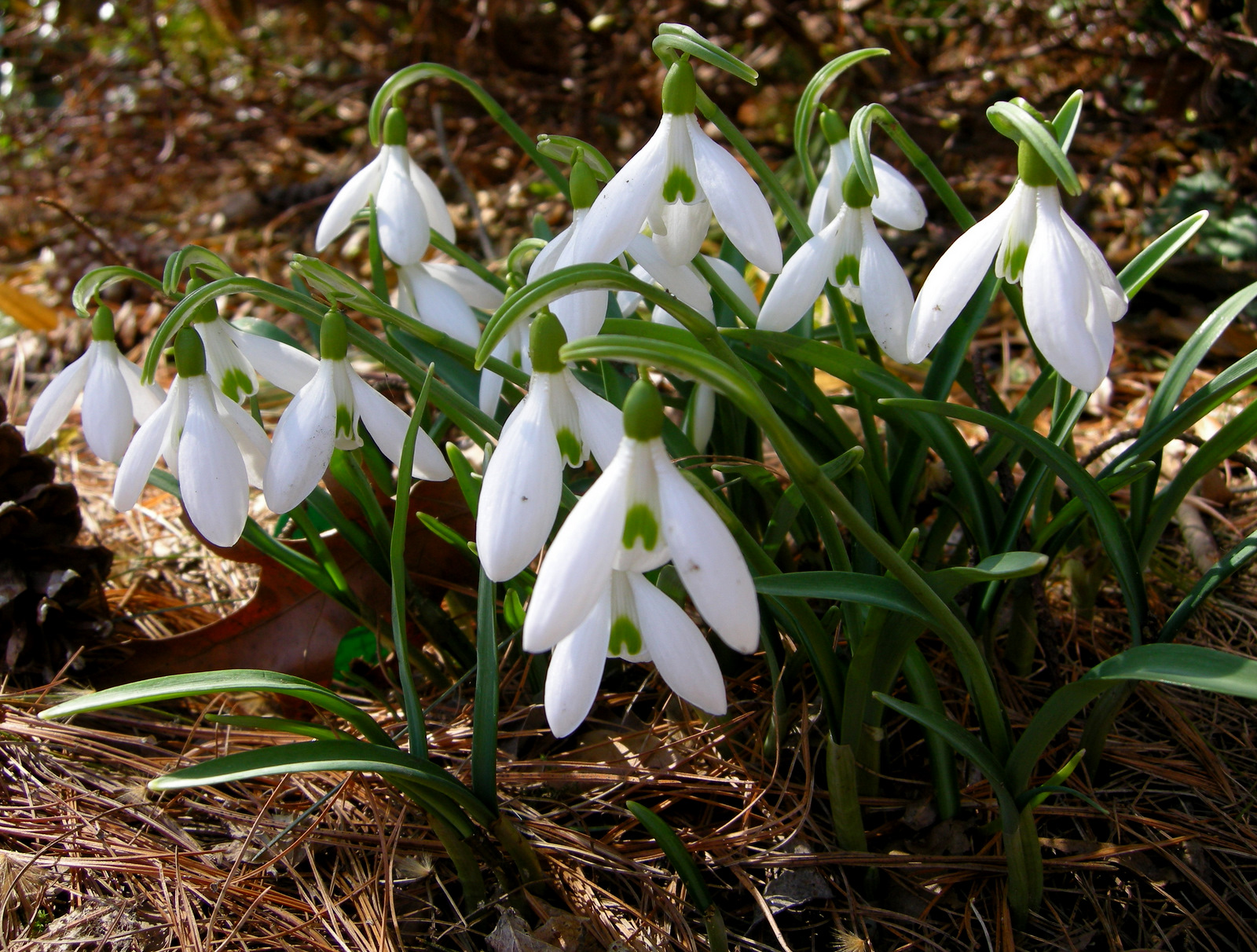
The hundreds of snowdrop cultivars out there range from a classic like ‘Atkinsii’ pictured above to…(see next photo)

In Snowdrops or The Confessions of a Galanthophile, I described my transition from someone who grows snowdrops to someone who is obsessed with them.  In Snowdrops: Further Confessions of a Galanthophile, I explained that most snowdrop cultivars can be appreciated as much for their colorful history as for their ornamental characteristics.  That history is contained in Snowdrops: A Monograph of Cultivated Galanthus by Matt Bishop, Aaron Davis, and John Grimshaw (Griffin Press 2006), commonly called the “snowdrop bible”.

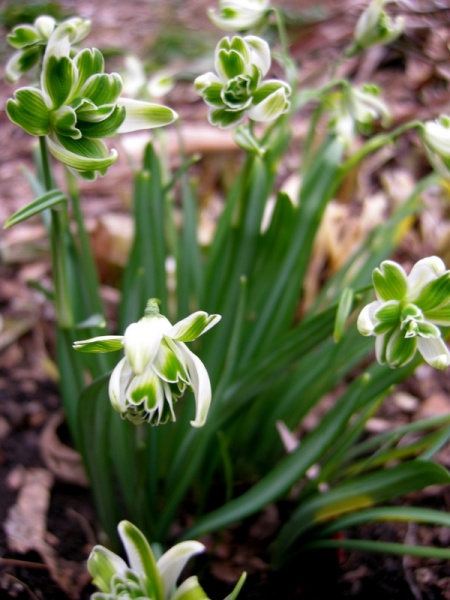
Galanthus nivalis 'Blewbury Tart' at Carolyn's Shade Gardens…this crazy, modern double cultivar, ‘Blewbury Tart’, which looks like it’s having a bad hair day (I love it!).

The information in Snowdrops is not only interesting but also crucial to keeping straight all the available snowdrops.  Snowdrops describes over 500 cultivars, and the authors admit that it is now out-of-date, and a second volume is required (for details on Snowdrops 2, click here).  Snowdrops description of the cultivar along with the actual origin of the snowdrop plant in question both contribute to its provenance: the history of its ownership documenting its authenticity.  If a collector is purchasing an expensive plant, provenance is very important.

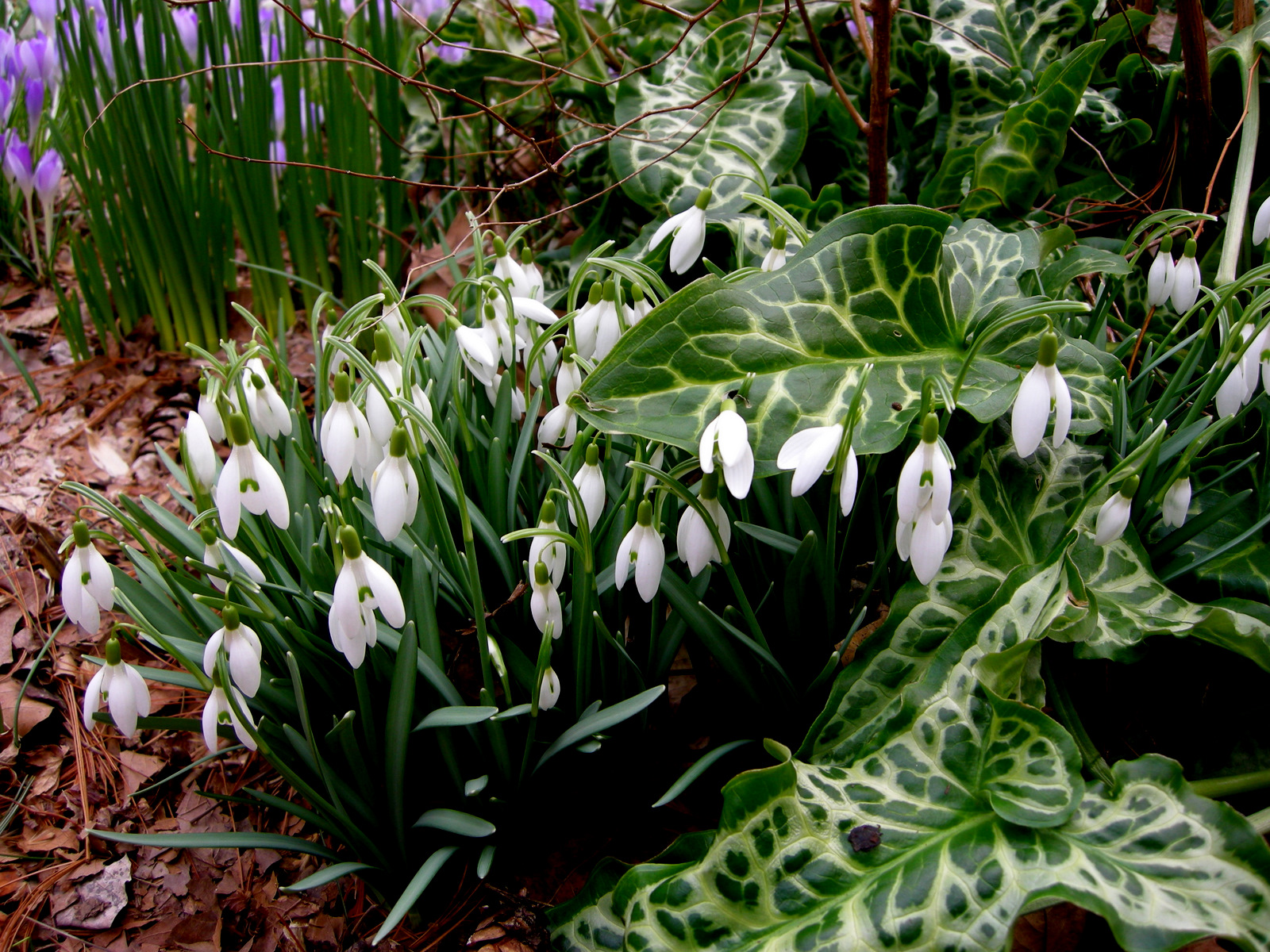
Snowdrop prices range from the very affordable (but no less desirable) common snowdrop, G. nivalis, pictured above with Italian arum and snow crocus, to…(see next photo)

…the highly collectible (with a price to match) ‘Wendy’s Gold’.

‘Brenda Troyle’, a new snowdrop from Charles Cresson in my 2012 catalogue, is a perfect example of how this works.  True ‘Brenda Troyle’ is a vigorous snowdrop admired for its well-proportioned, rounded flowers with flared and cupped outer petals (segments) and a strong fragrance of honey.  It received an Award of Garden Merit from the Royal Horticultural Society in 1960 for “outstanding excellence for ordinary garden decoration or use.”  Customers who attended Charles Cresson’s snowdrop seminars last year loved it.

Charles Cresson’s authenticated ‘Brenda Troyle’

But Snowdrops explains that ‘Brenda Troyle’ is very mixed up in the trade.  In fact, it is even unclear whether it was named after a character in Sir Walter Scott’s novel The Pirate or a staff member at an Irish nursery.  In cases like this, it is very important that the snowdrop display the desirable characteristics of the cultivar as Cresson’s stock does.  It is equally as important that the original stock was purchased from a reputable source and kept labeled since its purchase.  Charles got his plants from a bulb company started by the venerable Hoog family of Van Tubergen fame and conserves his whole snowdrop collection with the utmost care.

Galanthus ‘Tiny’

‘Tiny’ is a snowdrop that does not suffer from an identity crisis as Snowdrops states that almost every galanthophile in the U.K. grows it.  It is a diminutive form of the common snowdrop, G. nivalis, easily distinguished by its narrow leaves and elfin stature.  It is quite charming in a clump, which develops rapidly with this vigorous cultivar.  It also flowers later, extending the snowdrop season into late spring.

The subspecies byzantinus of G. plicatus is easily distinguished from subspecies plicatus by the two marks on its inner segments.


Unique provenance adds significantly to the desirability of a snowdrop as is the case with the Turkish snowdrop, Galanthus plicatus subsp. byzantinus.  This subspecies has beautiful wide pleated leaves and lovely plump flowers joined in an elegant overall habit.  It comes from a small area in northwestern Turkey, but is uncommon even there.  Subspecies byzantinus is an exceptionally good form of G. plicatus, hard to come by even in the U.K.

The elegant habit of G. plicatus subsp. byzantinus.

But the part of its provenance that is really exciting is that these plants originated from one of the most celebrated and important American snowdrop collections, the gardens at Winterthur.  As Henry Francis du Pont added plants to Winterthur, snowdrops became a focus.  In the 1930s, he purchased the parents of these very bulbs from Barr & Sons, a renowned bulb house that operated in Covent Gardens, London, from 1882 to 1956.  When Charles Cresson worked at Winterthur in the early 1990s, he was given plants of this unique snowdrop, and we are offering the offspring of those plants in the 2012 catalogue.  Now that’s provenance!

The Greatorex double ‘Hippolyta’ (photo by and used with the permission of Paddy Tobin).

The final two new snowdrops were both hybridized in the mid-twentieth century by the legendary but enigmatic snowdrop breeder Heyrick Greatorex and are known as Greatorex doubles.  Snowdrops makes an unflattering reference to a story that he spent World War II in a local pub.  However, further research reveals that, in addition to serving in WWII, he fought in World War I, was wounded at Lagincourt, and received the Victory and British Medals—a very distinguished record indeed.  If you would like to read more about him, click here.

Galanthus 'Hippolyta' photo Paddy Tobin‘Hippolyta’ (photo by and used with the permission of Paddy Tobin)

‘Hippolyta’ is the shortest of the many Greatorex double snowdrops, which Heyrick Greatorex developed by crossing the double common snowdrop, G. nivalis ‘Flore Pleno’, with the species G. plicatus to create large and vigorous plants.  He named them after characters in Shakespeare’s plays, Hippolyta appearing in A Midsummer Night’s Dream.  Although some of the Greatorex doubles are confused, ‘Hippolyta’ consistently produces neatly doubled, rounded flowers, combining a tightly compact inner rosette with cupped and flaring outer petals (segments)—a charming arrangement.  It received an Award of Garden Merit from the Royal Horticultural Society in 1970.


The Greatorex double ‘Dionysus’

The final member of the five new snowdrops in my 2012 Snowdrop Catalogue is ‘Dionysus’, also a member of the acclaimed series of double snowdrops developed by Heyrick Greatorex (although not a Shakespeare character).  ‘Dionysus’ is one of the taller and earlier flowering doubles in this series.  It has fewer inner segments  than other Greatorex doubles, and  they feature a large, deep green, inverted heart-shaped mark.  Evidently Heyrick Greatorex described ‘Dionysus’ as one of the best of his doubles for cultivation in the open garden.  Charles got his bulbs from the well known Oregon bulb authority Jane McGary.

Obviously, I find everything about snowdrops fascinating and hope I have communicated some of my infatuation to you.  If you are in the U.S. and want to order from the catalogue, just follow the directions for mail order.

Carolyn

Notes: Every word that appears in orange on my blog is a link that you can click for more information.  If you want to return to my blog’s homepage to access the sidebar information (catalogues, previous articles, etc.) or to subscribe to my blog, just click here.

January GBBD: Hellebores on Parade

Posted in Camellias, evergreen, Garden Blogger's Bloom Day, garden to visit, hellebores, Shade Perennials, Shade Shrubs, snowdrops, winter, winter interest with tags , , , , , , , , , , , , , , , , , on January 11, 2012 by Carolyn @ Carolyns Shade Gardens

Carolyn’s Shade Gardens is a retail nursery located in Bryn Mawr, PA, specializing in showy, colorful, and unusual plants for shade.  The only plants that we ship are snowdrops within the US.  For catalogues and announcements of local events, please send your full name, mailing address, and cell number to carolyn@carolynsshadegardens.com and indicate whether you are interested in snowdrops, hellebores, and/or hostas.  Click here to get to the home page of our website for catalogues and information about our nursery and to subscribe to our blog.

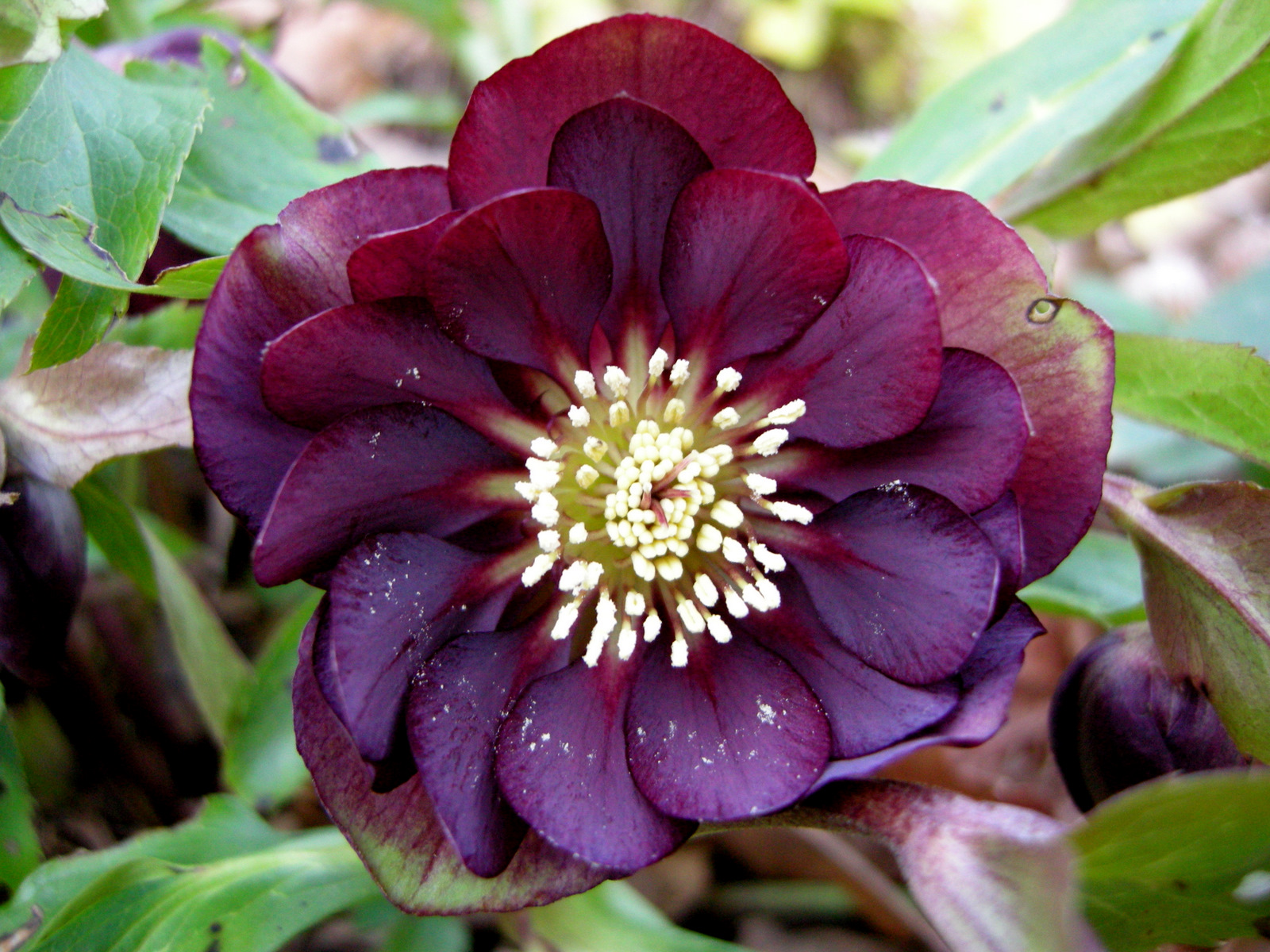
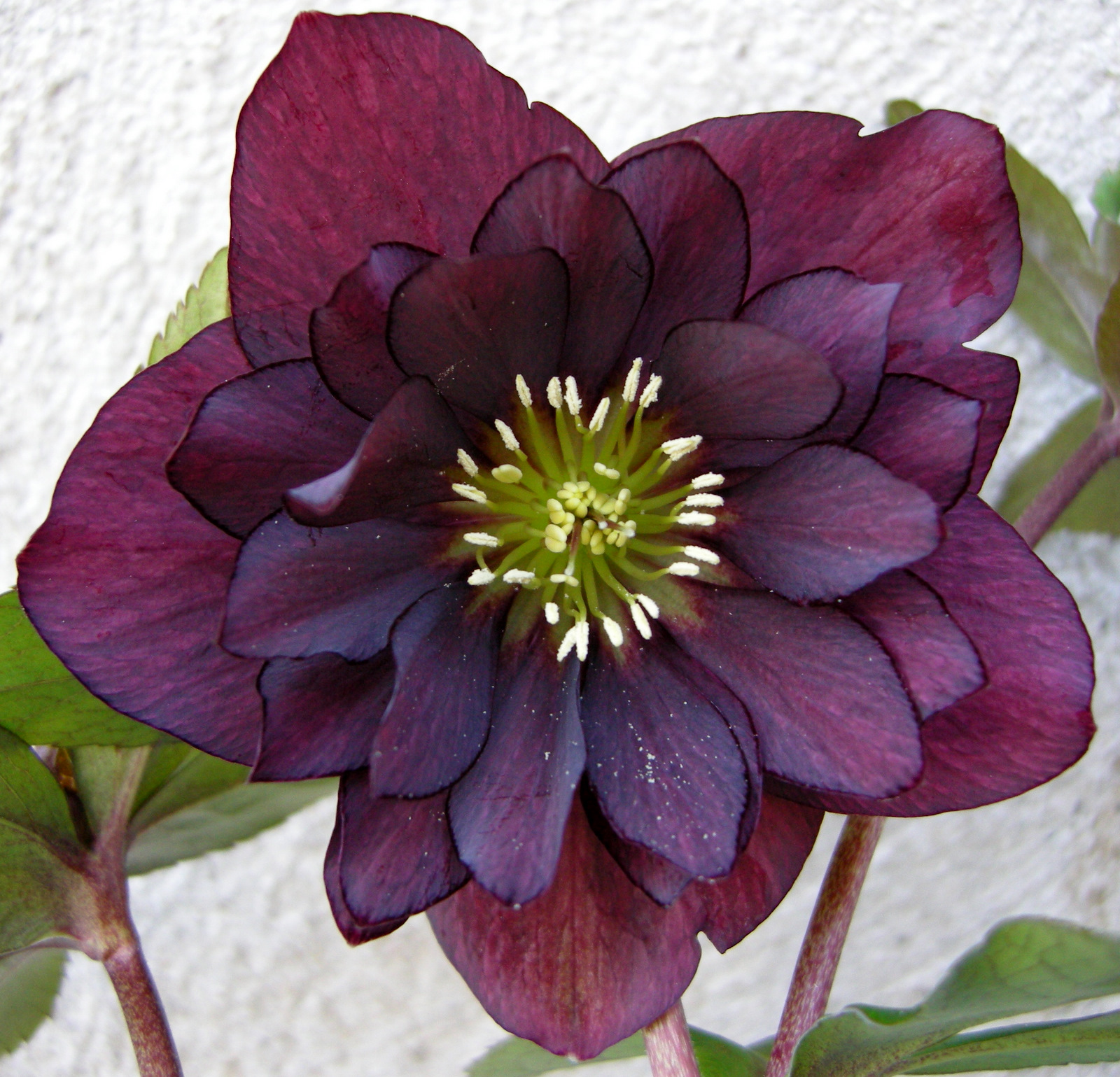
I have had this gorgeous double purple hellebore in my garden for several years but it has never bloomed this early.  Photo 1/7/12

It is the middle of the month and time to participate in Garden Blogger’s Bloom Day hosted by May Dreams Gardens (link available on December 15) where gardeners from all over the world publish photos of what’s blooming in their gardens.  I participate because it is fun and educational for me to identify what plants make my gardens shine at different times of the year.  This month I hope that my nursery customers and blog readers will get some ideas for plants to add to their own gardens to extend their season through winter.

My garden is located in Bryn Mawr (outside Philadelphia), Pennsylvania, U.S., in zone 6B.


‘Mrs. Betty Ranicar’ is usually one of my first hybrid hellebores to bloom but this is early even for her.

Last January, the whole garden was under snow, and I didn’t even participate in GBBD.  This year couldn’t be more different with 7 days in the 50s (10C) and 6 days at 60 degrees (16C) or above since December 15.  Frankly, I find it extremely worrisome, but it means that I didn’t have to go searching for plants peaking between December 15 and January 15.  There are a few other plants worth featuring, but my hellebores are all blooming early so I call this post Hellebores on Parade.  For the benefit of my customers, I will note which hellebores will be for sale at Carolyn’s Shade Gardens (CSG) this spring.


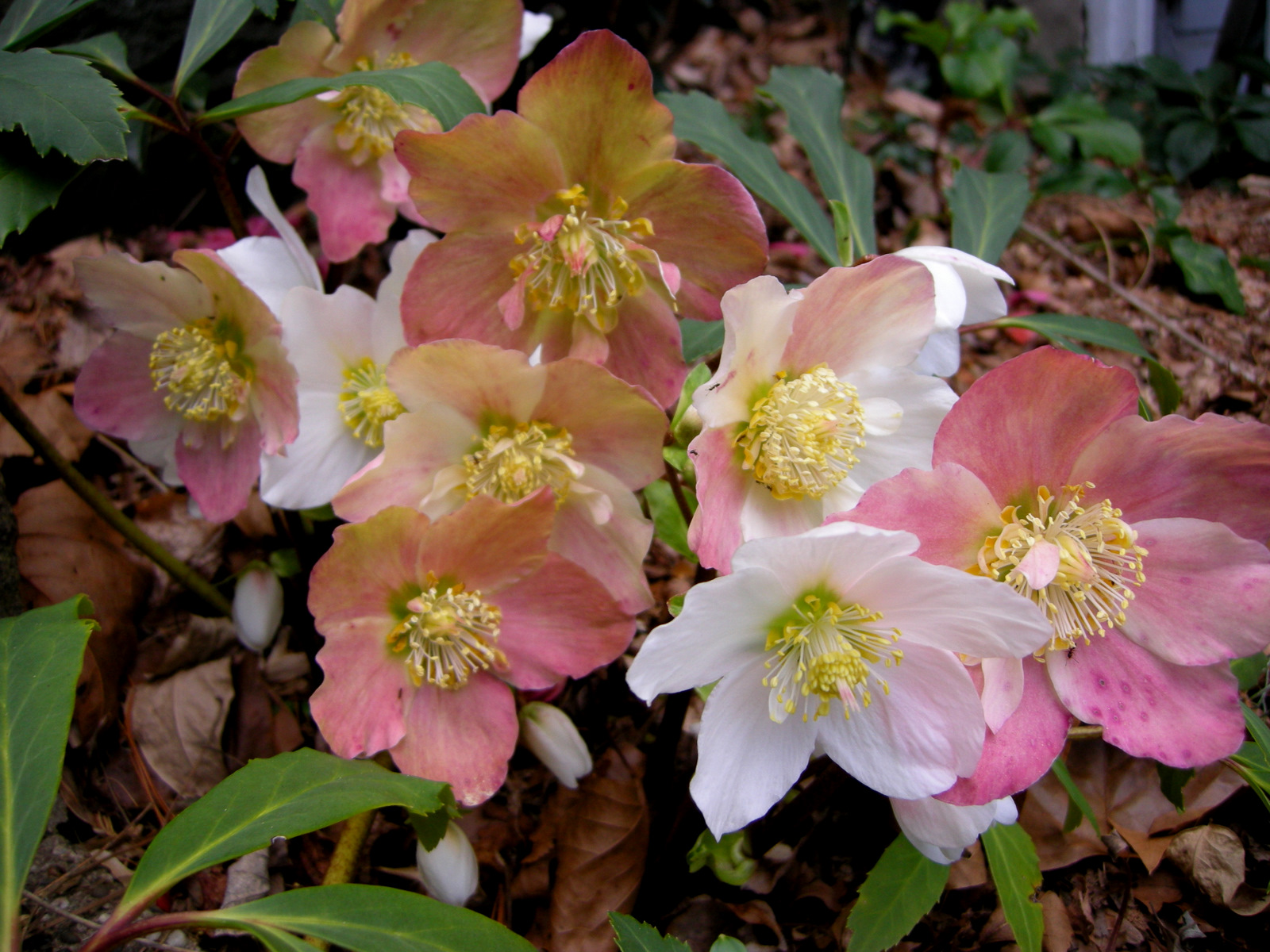
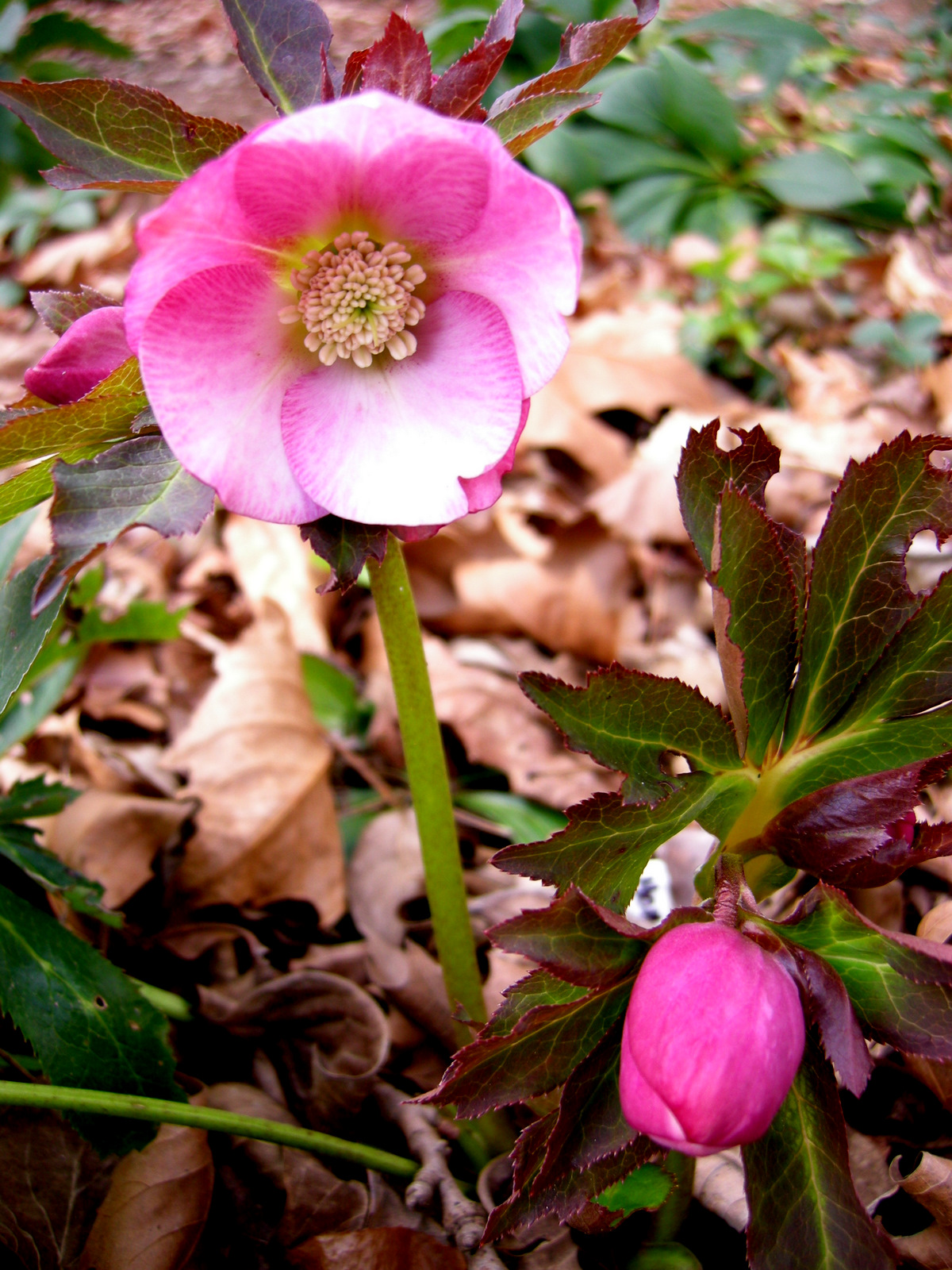
‘Pink Tea Cup’ has the best pink color of any hybrid hellebore and was the first to come into bloom this season ( for sale at CSG this spring).  Photo 1/9/12


‘Jacob’ Christmas rose just keeps going and going with new white flowers appearing and mixing with the older pink flowers for a gorgeous effect, see below (for sale at CSG).  Photo 12/31/11


‘Jacob’ Christmas rose with Camellia x ‘Winter’s Joy’.  Photo 1/2/12

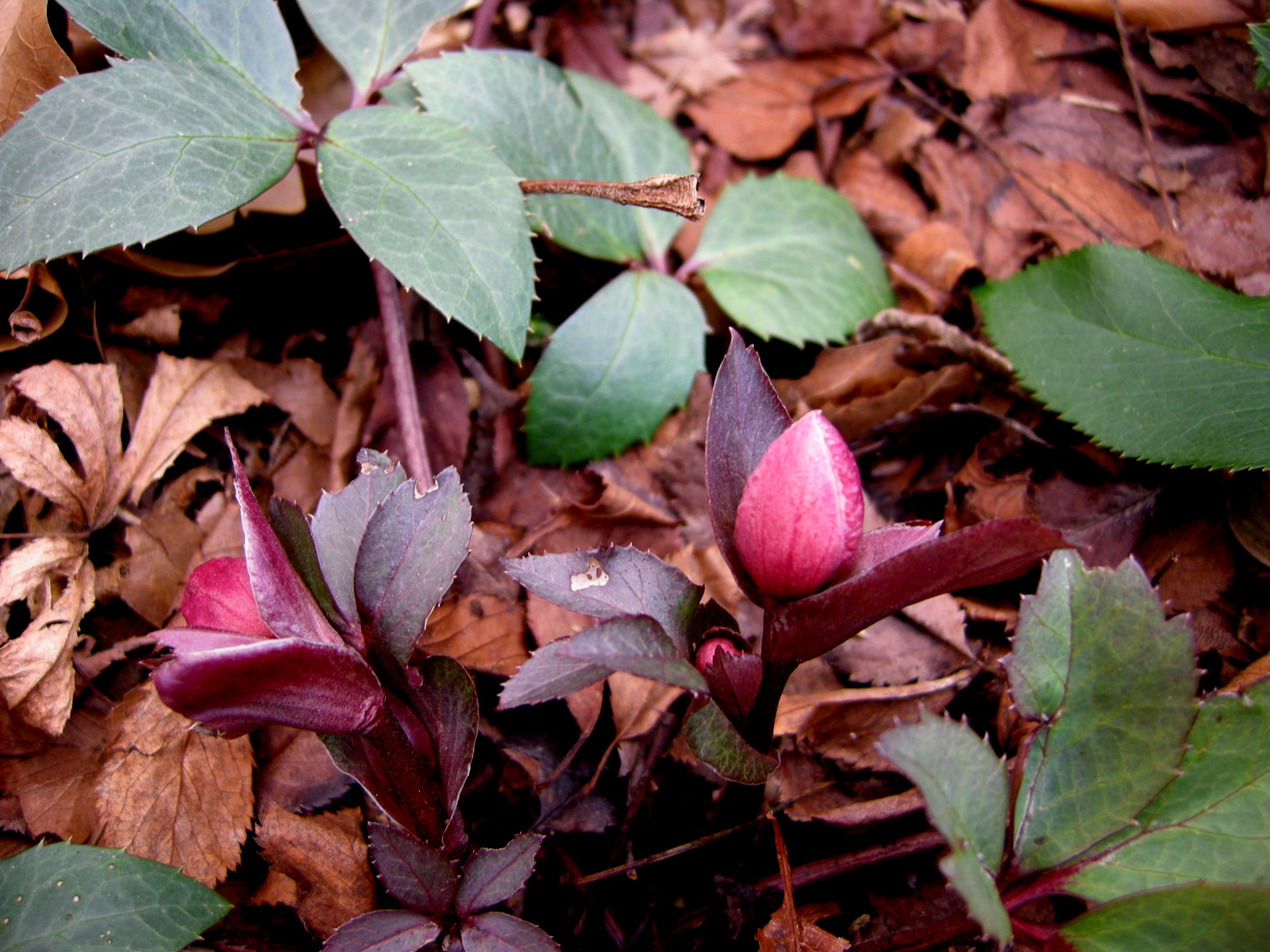
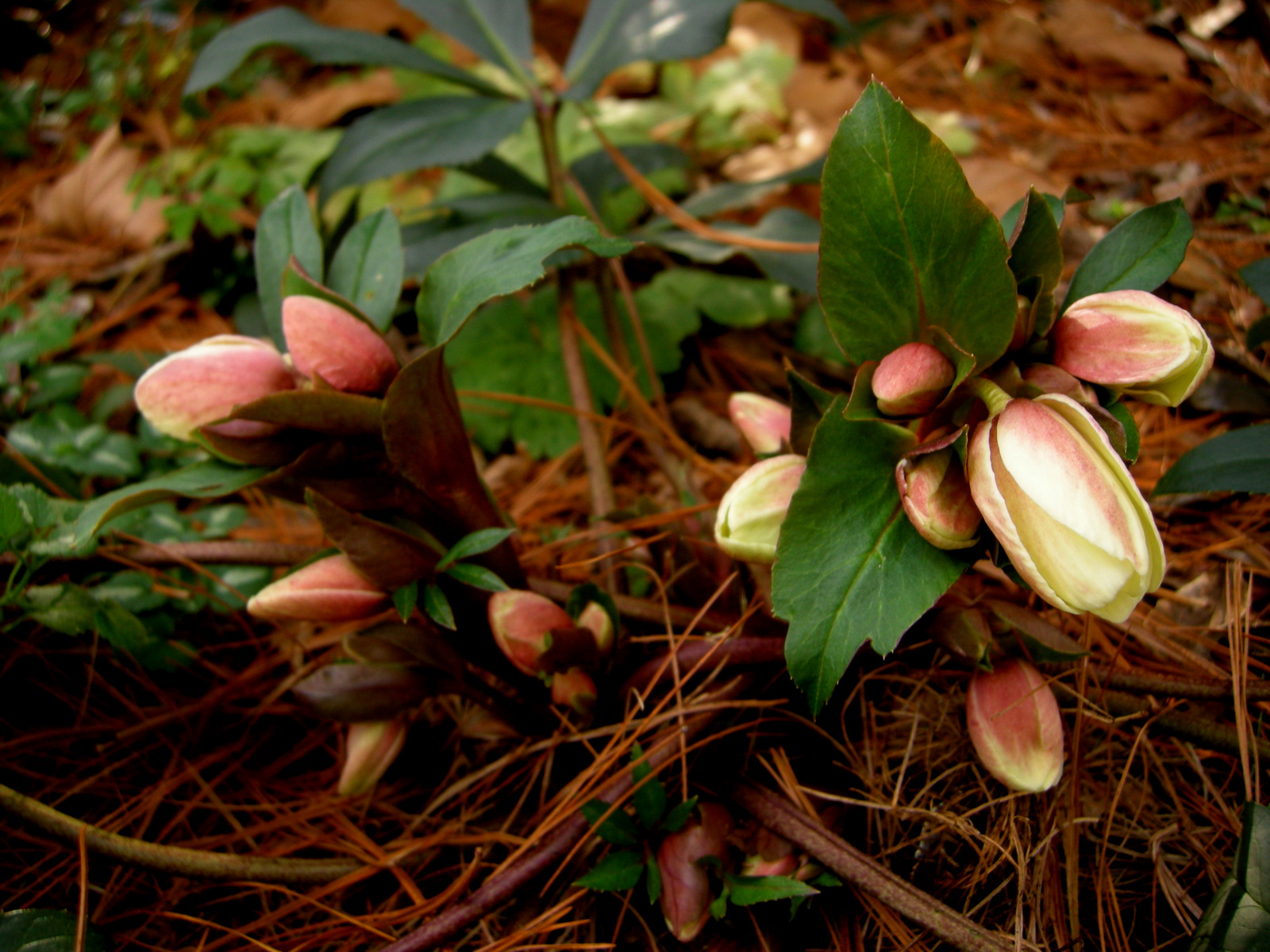
Flowers are emerging on the hellebore species cross ‘HGC Pink Frost’ (for sale at CSG).  Notice the dark red to burgundy highlights on the leaves and stems and the amazing color of the buds.  As noted in Cutting Back Hellebores, I leave the foliage on to make a nice backdrop for the flowers.  Photo 12/31/11


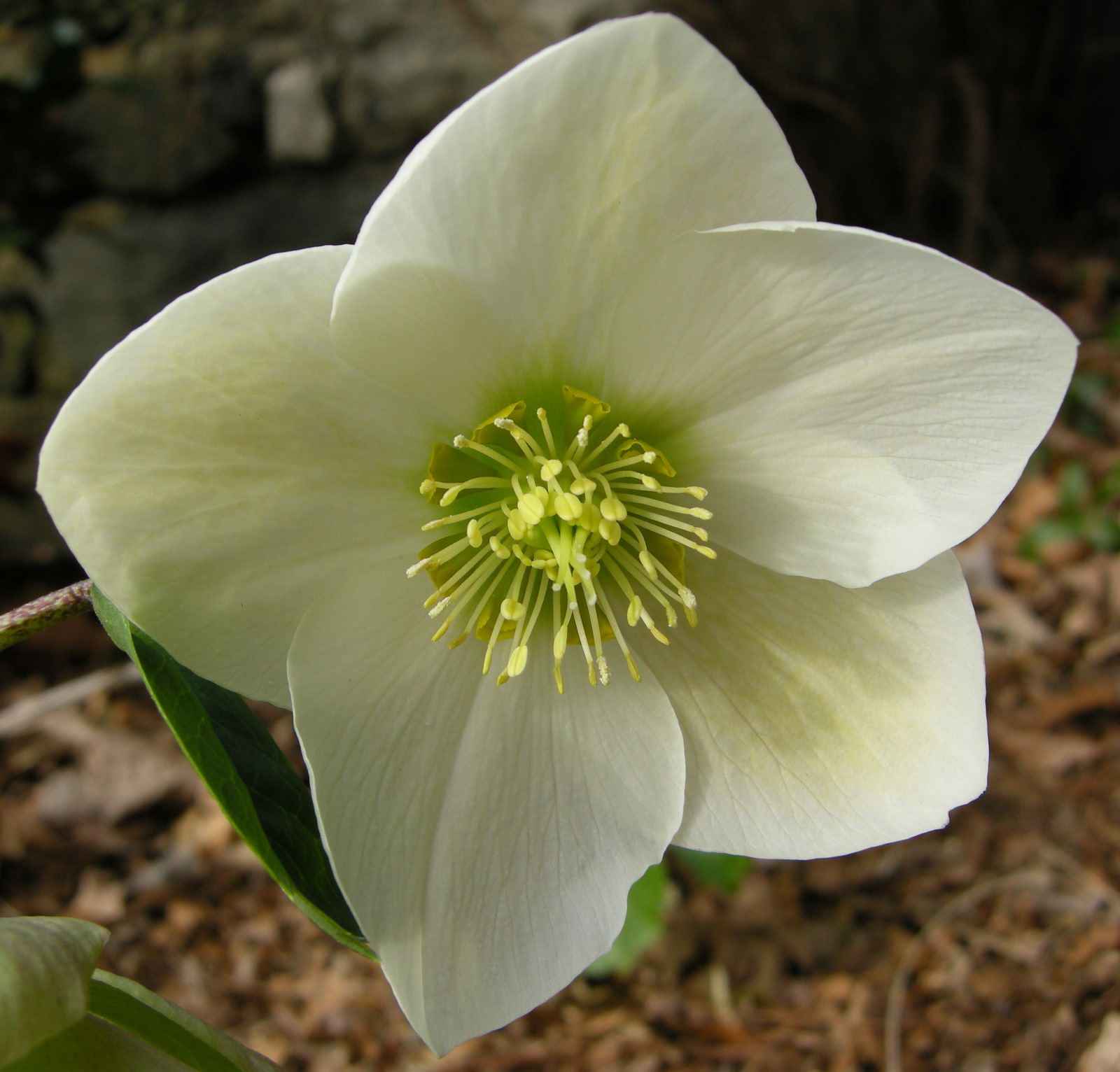
‘Praecox’ Christmas rose is also blooming at least a month earlier than usual.  Photo 12/31/11


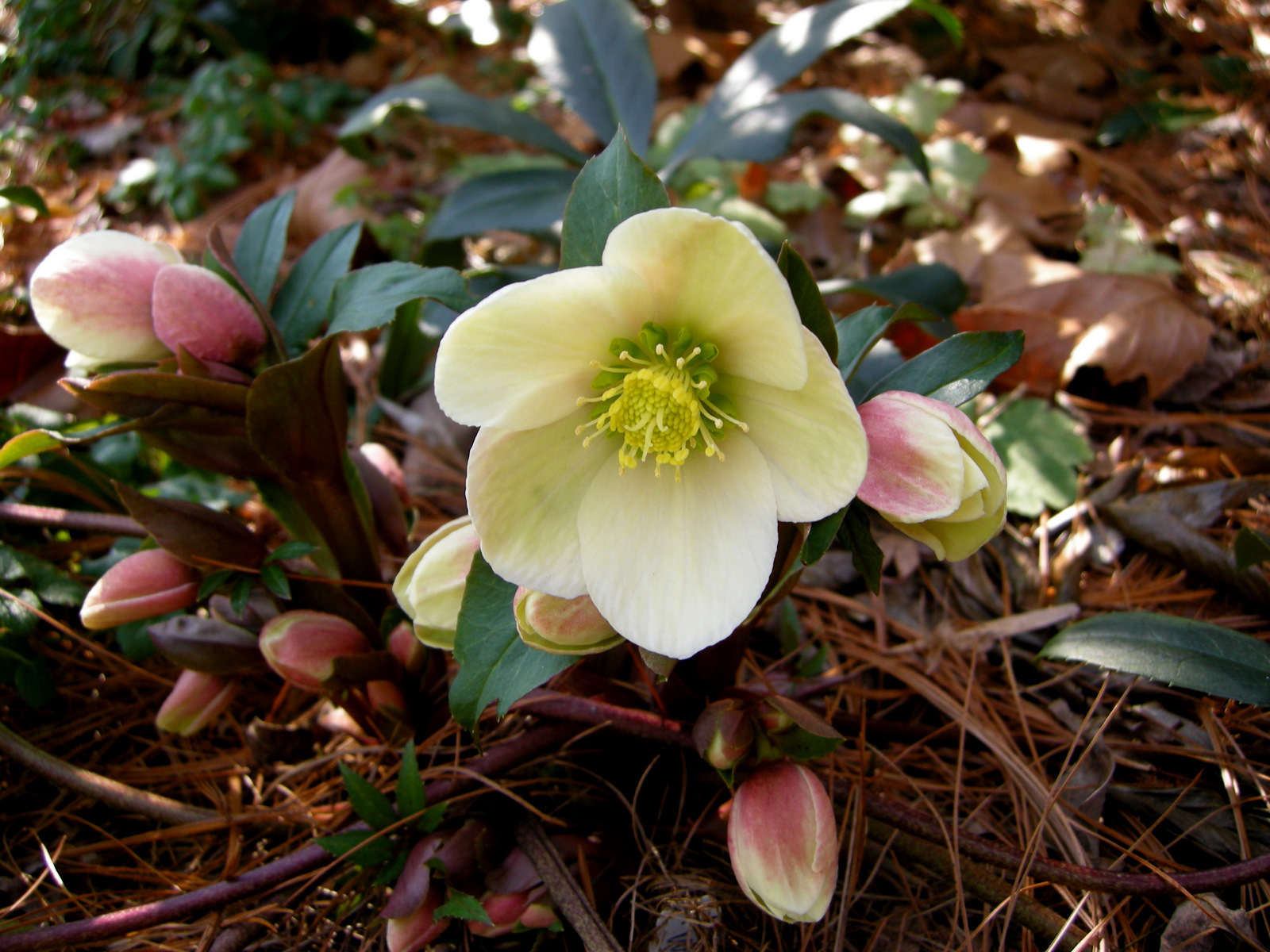
The hellebore species cross ‘HGC Winter’s Song’ is now fully in bloom.  Photo 1/10/12

The rare species Helleborus dumetorum (no common name) continues to bloom (for sale at CSG).  It is deciduous so all the “leaves” in the photo are actually flower bracts.  The leaves will come up later.  Photo 12/31/11

This beautiful, pure white, outward-facing hellebore called ‘Snow White’ (aka ‘Snow Bunting’) is an extremely rare cross between hybrid hellebore and Christmas rose—something that was thought to be impossible (for sale at CSG).  Photo 1/9/12


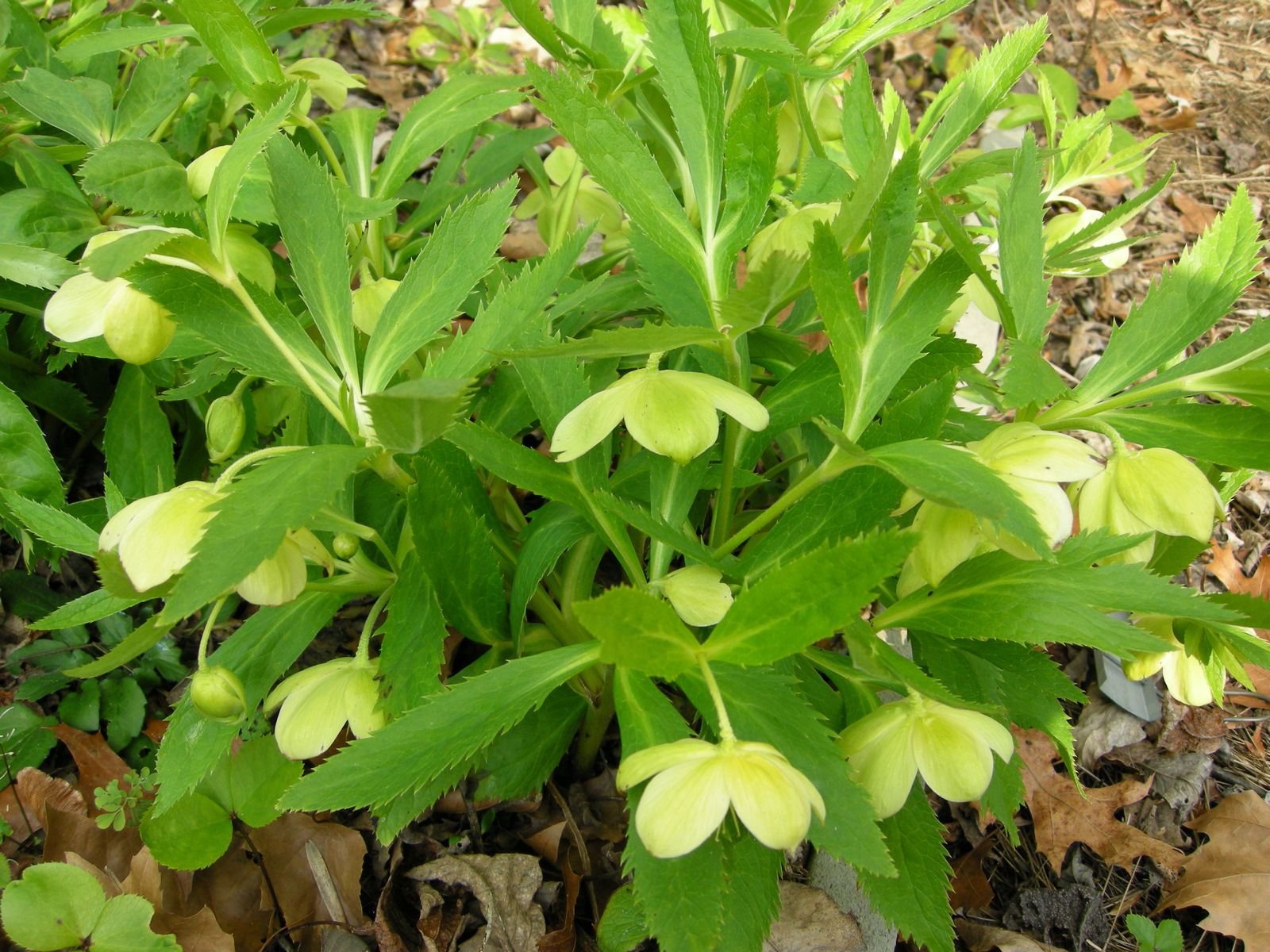
The lighter chartreuse buds of bearsfoot hellebore, H. foetidus, are becoming more prominent and will remain ornamental through May (for sale at CSG).  Photo 1/10/12


Helleborus x "Double Purple"Another look at the hybrid hellebore “Double Purple” (for sale at CSG).  Photo 1/7/12

My new favorite this year, hellebore species cross ‘HGC Cinnamon Snow’ (for sale at CSG).  I like it so much that I decided to put it in a basket by my front door.  Photo 1/9/12

There are some other plants looking great in my garden besides hellebores.  Most of the fall-blooming camellias still have viable buds but no flowers open to show you.  They will continue to bloom if the weather cooperates.  Here are the non-hellebore stars:

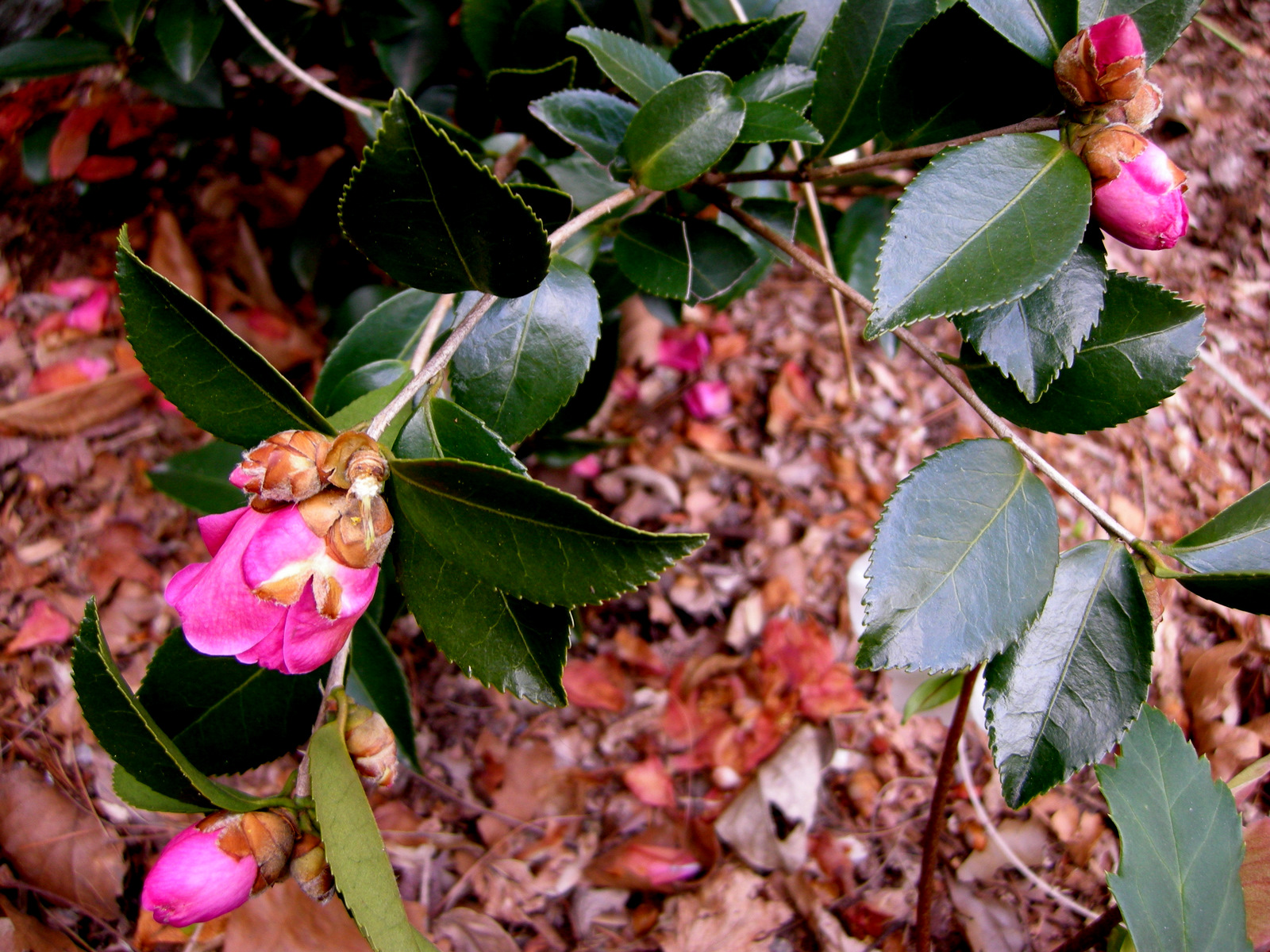
My un-named Korean Camellia japonica, which blooms in the spring and fall, continues to produce flowers.  Photo 1/9/12

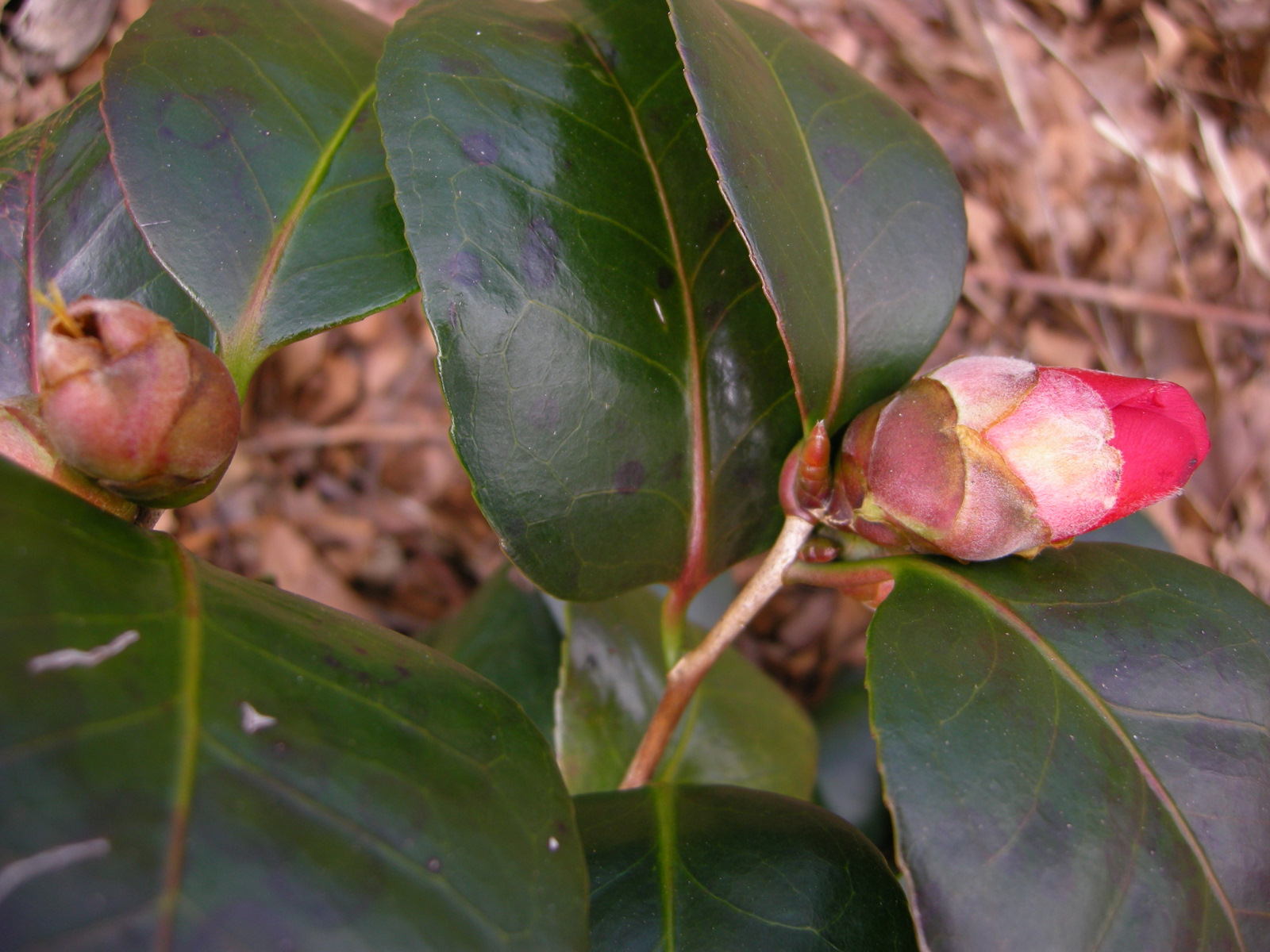
Camellia x ‘Elaine Lee’ also has buds, and look at those shiny leaves.  Photo 1/10/12

Camellia x ‘Winter’s Joy’ has been flowering since October and is still covered with buds but none are open right now.

The buds on my variegated winter daphne, D. odora ‘Aureomarginata’, are coloring up early.  It is the sole survivor of five shrubs I put in this spring.  Although I gave them excellent drainage, they just couldn’t tolerate all the rain we had in August and September.  One by one they wilted from too much water and died, while this one remained healthy.  Photo 1/9/12

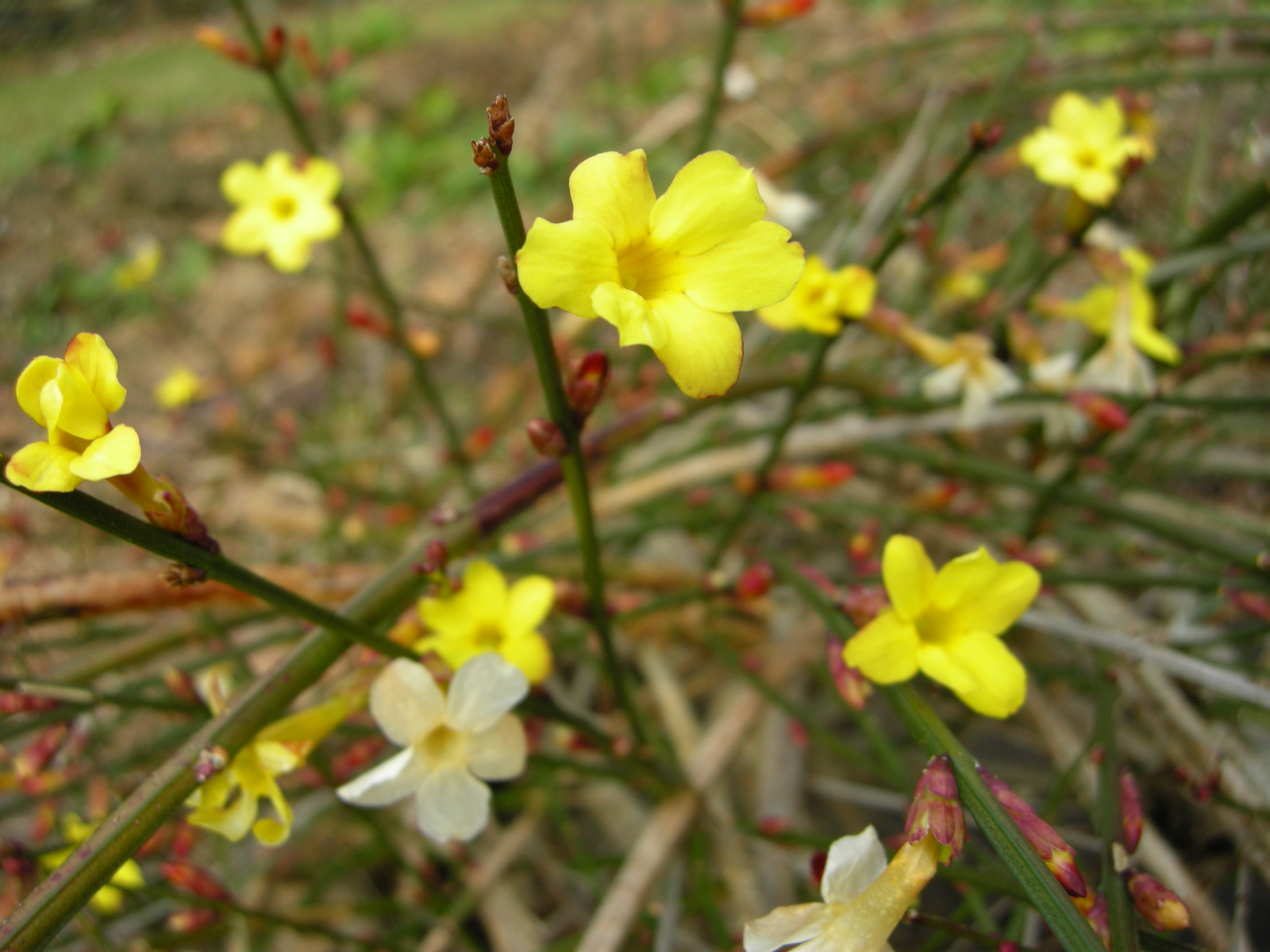
If we have cold weather, winter jasmine, Jasminum nudiflorum, blooms in February, but right now it is opening flowers continuously.  Photo 1/10/12

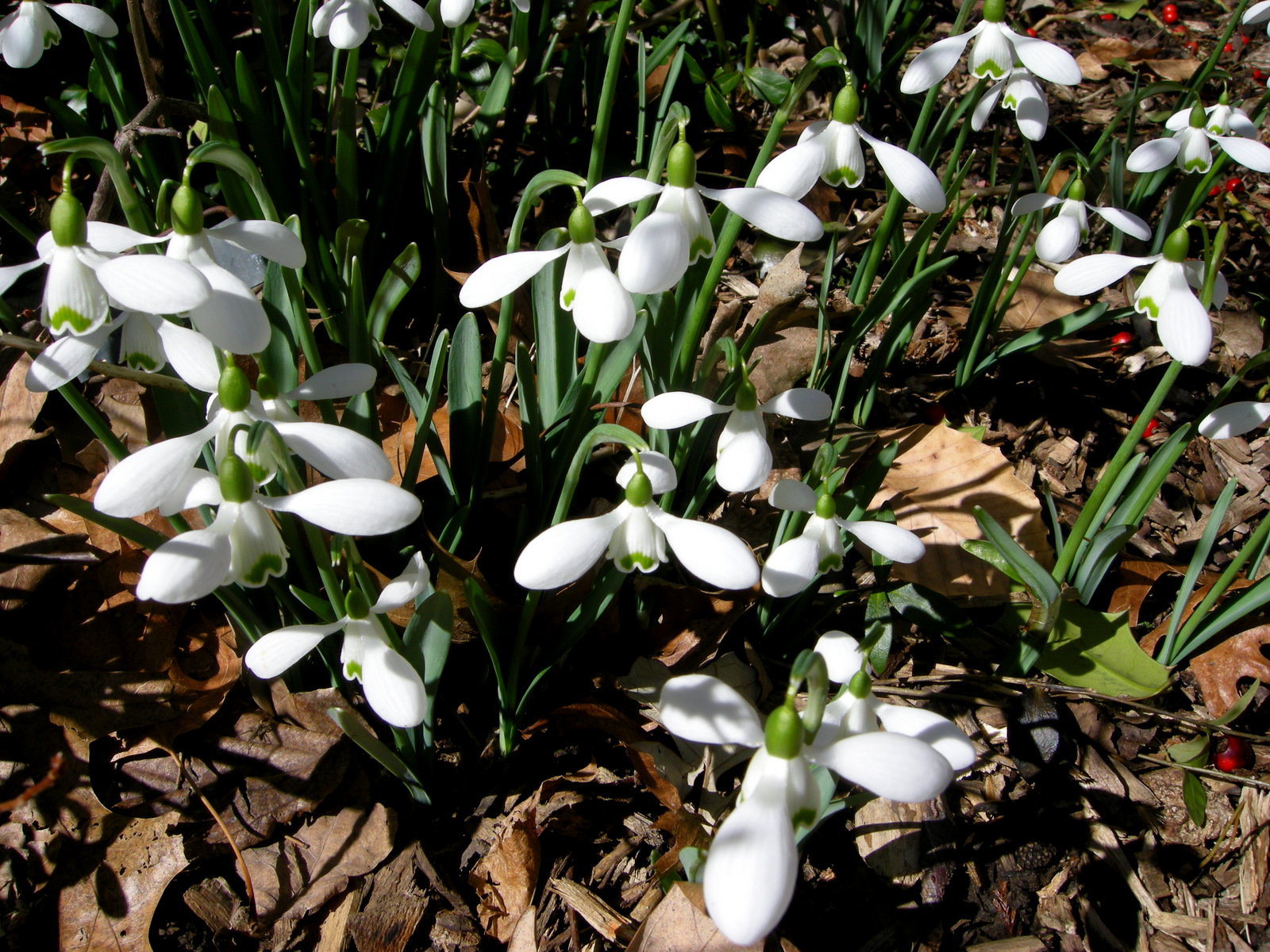
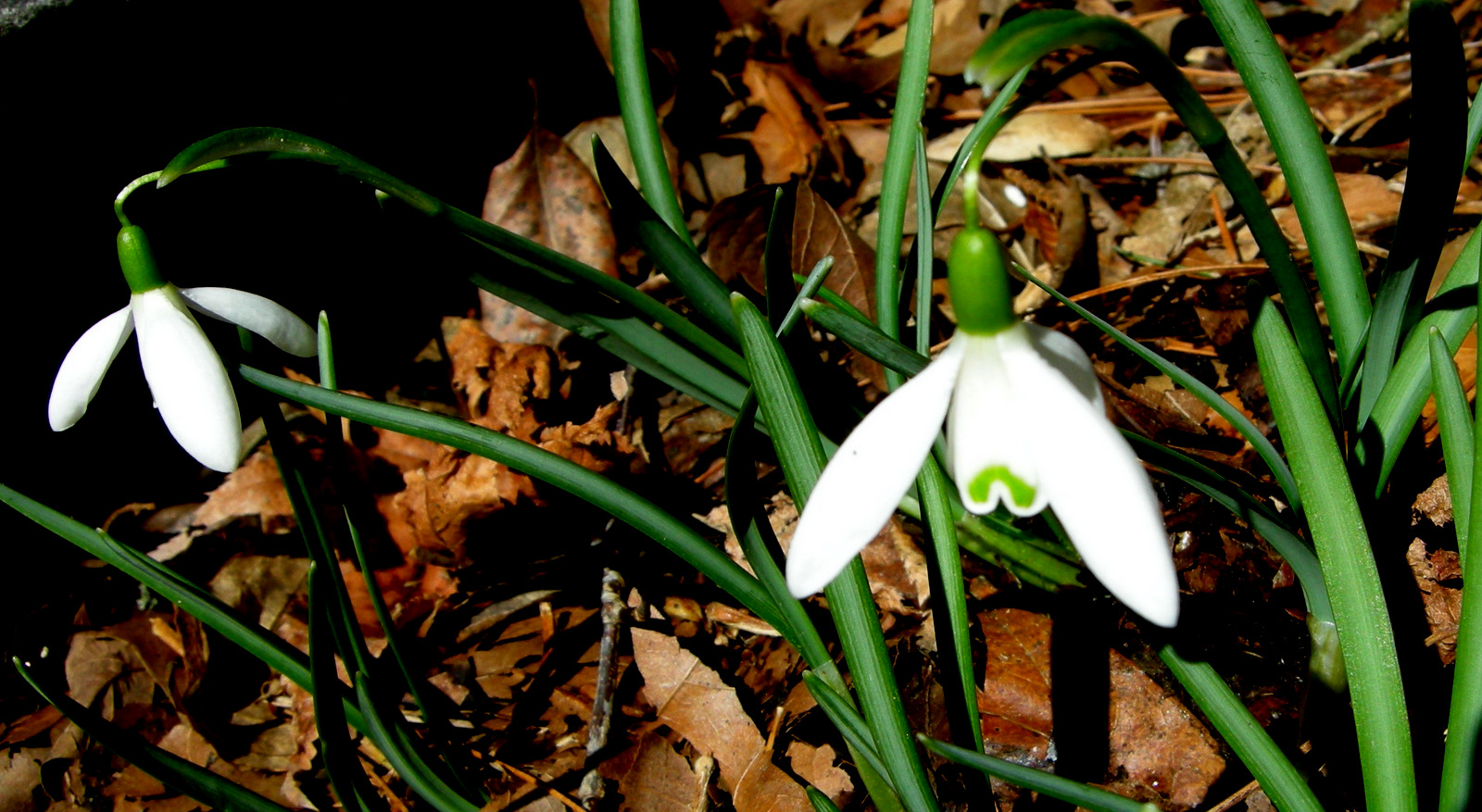
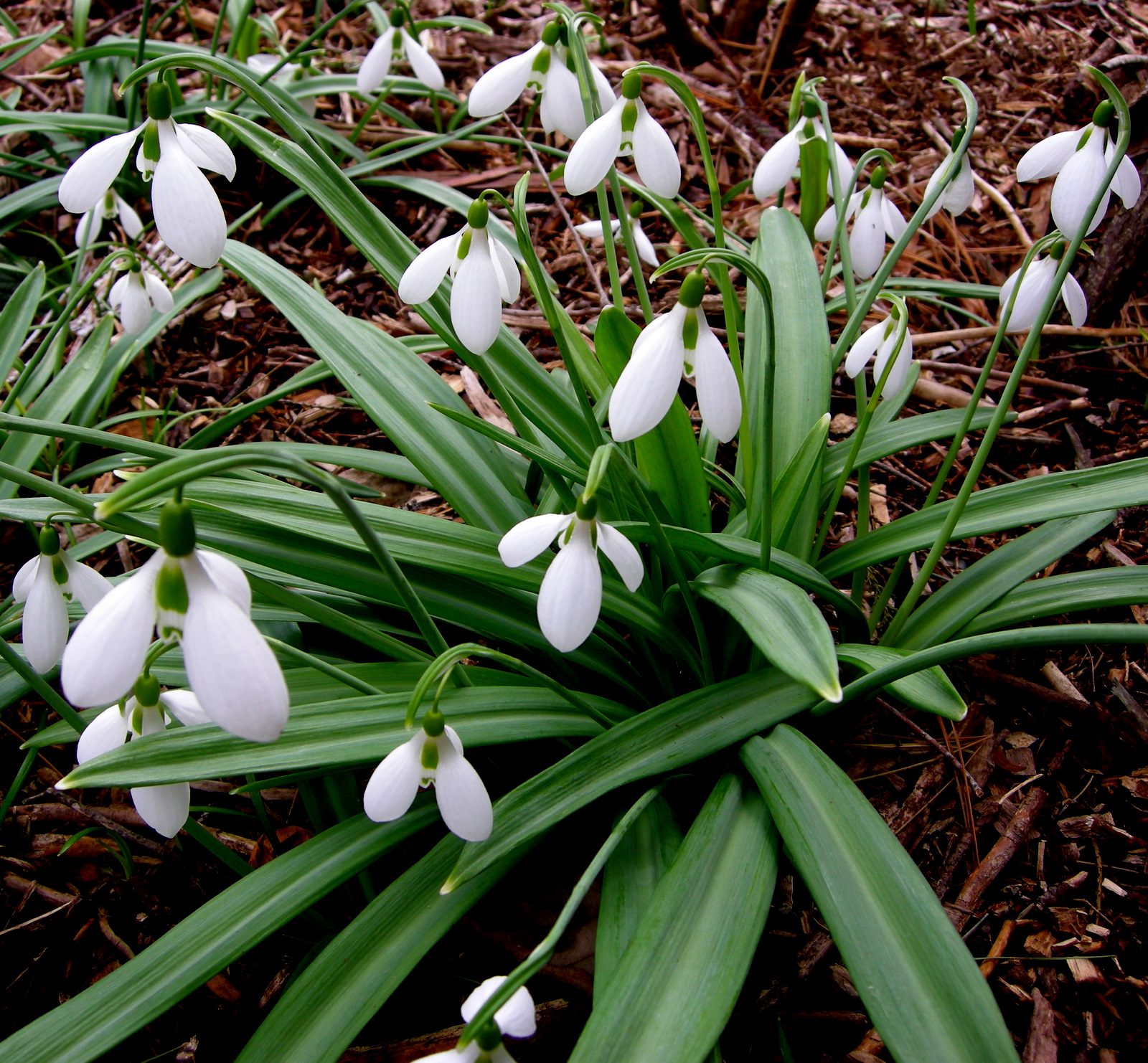
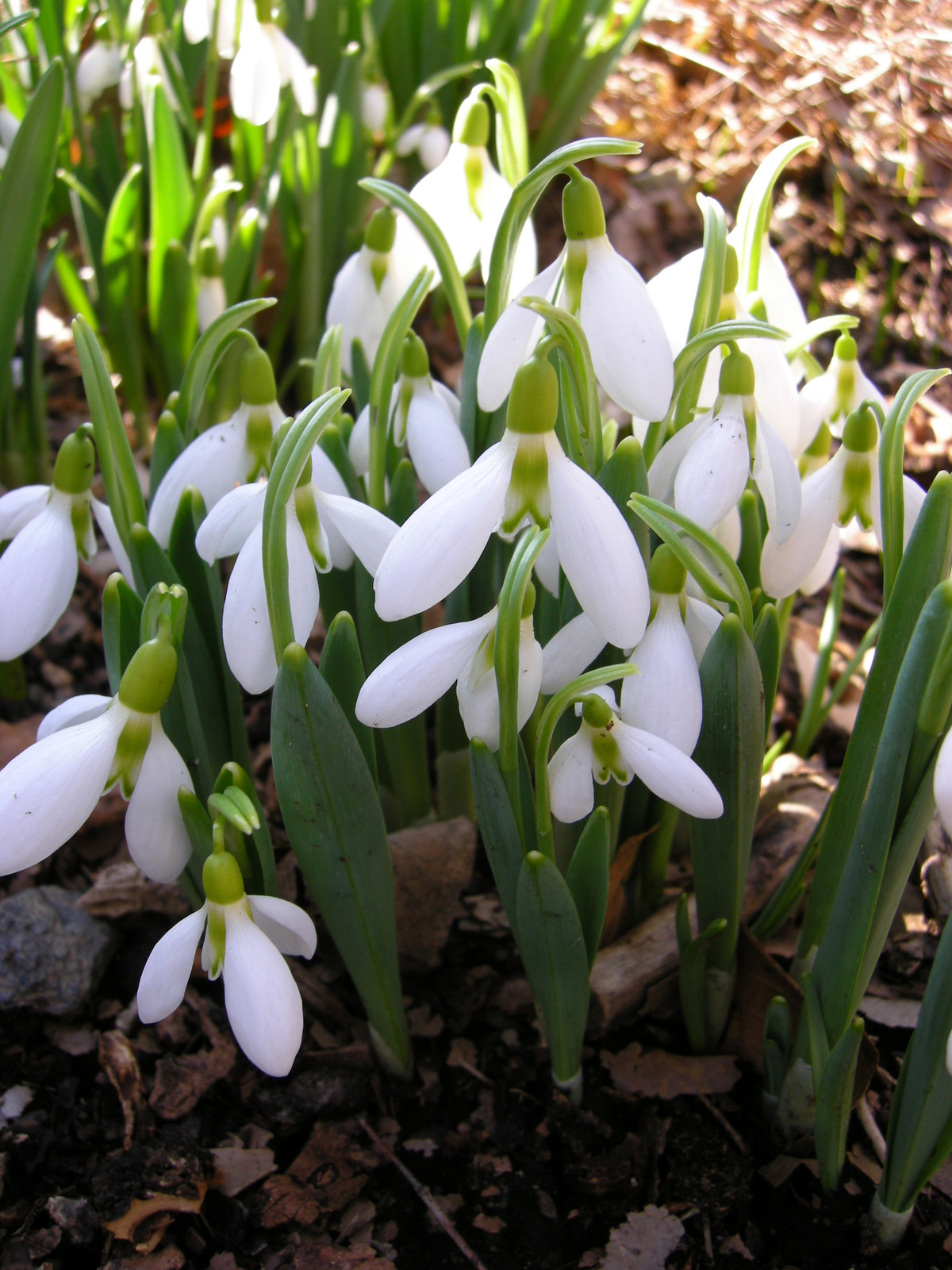
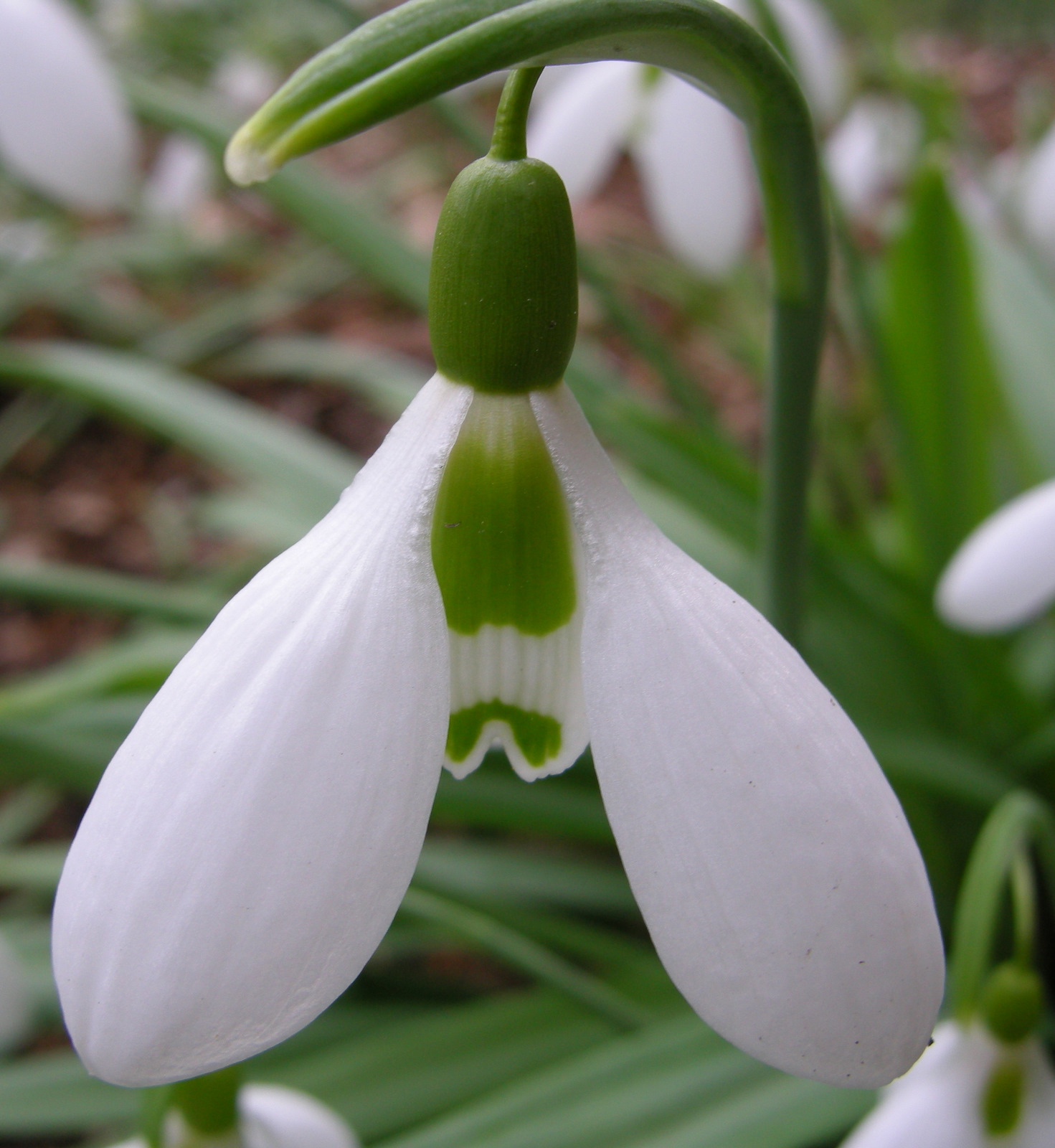
Galanthus elwesiiThe only snowdrop in bloom right now is the giant snowdrop, Galanthus elwesii (for sale at CSG).  Photo 1/9/12

My fall-flowering snowdrop ‘Potter’s Prelude’ has finished blooming, but I wanted to show you its beautiful leaves (for sale at CSG).  Photo 1/1/12

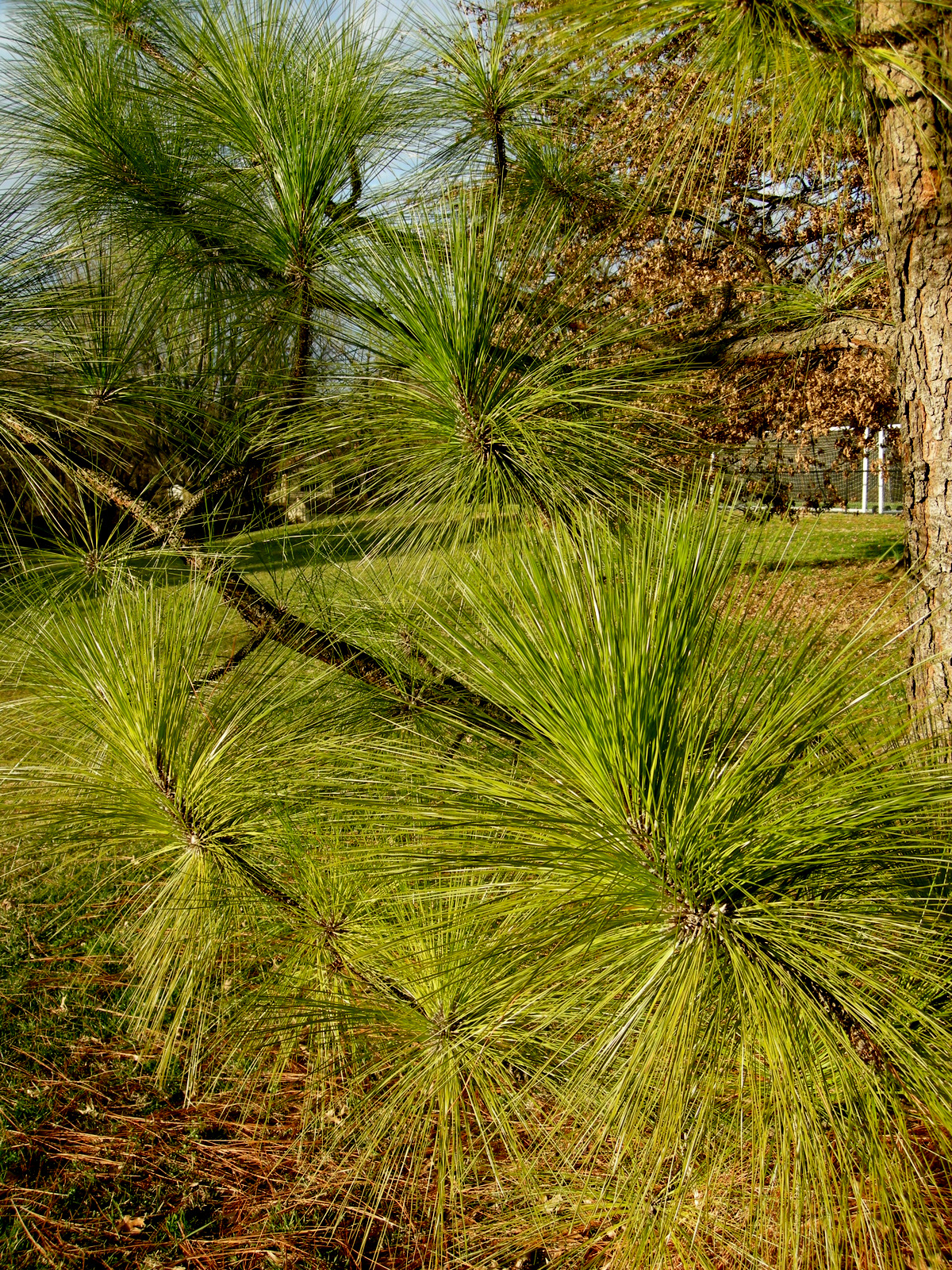
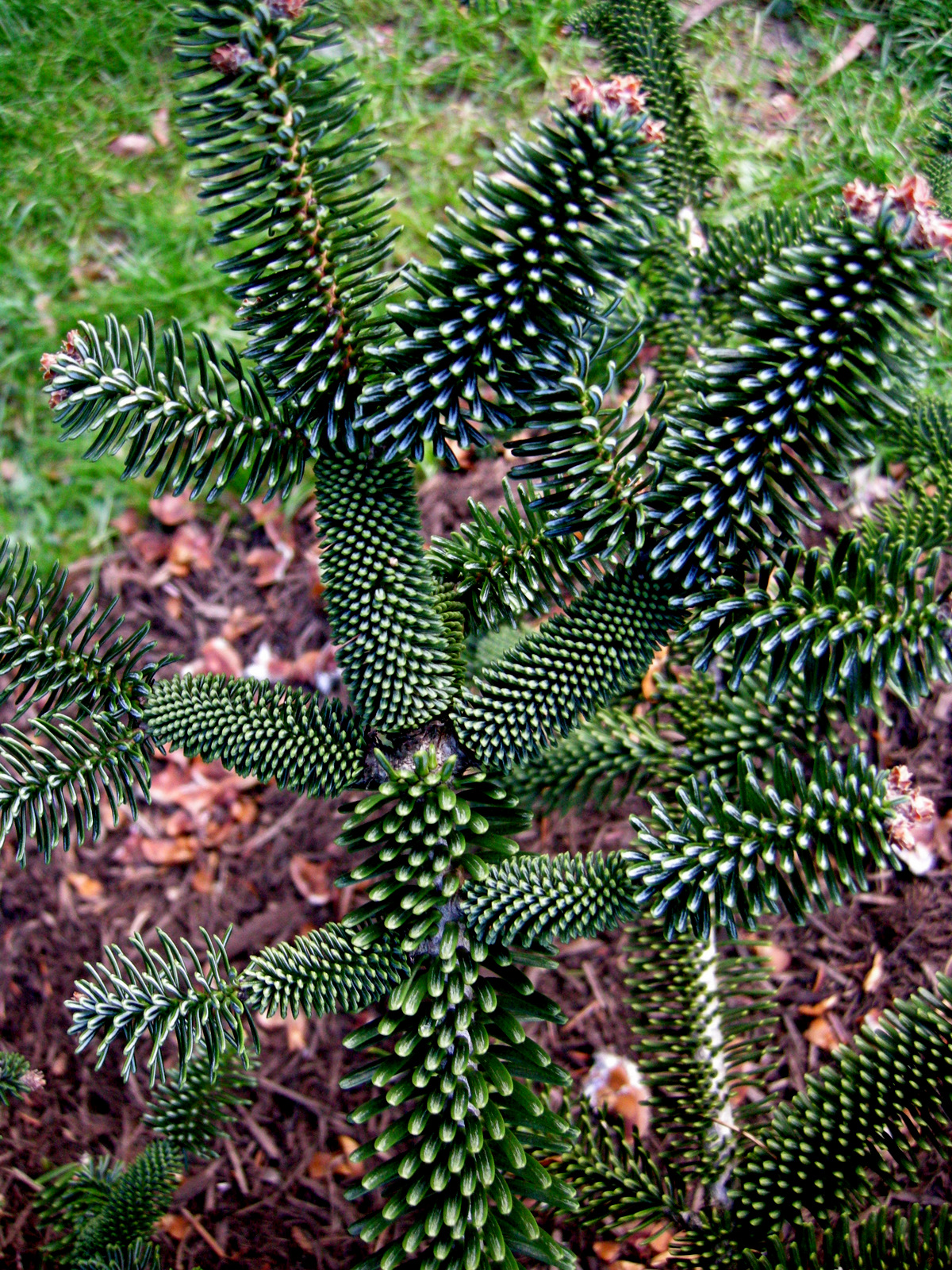
On New Year’s Day, my husband and I went walking in the Pinetum at the Haverford College Arboretum, a wonderful local treasure.  We saw two unusual conifers with great texture that I wanted to share:


Longleaf pine, Pinus palustris, is native from Virginia to Texas but is not usually found around here.


I love firs, and the texture of this Algerian fir, Abies numidica, really stood out.

I dedicate this post to Bob Stewart, my friend and horticulturalist extraordinaire, who died on December 16, 2011.  Bob and his wife Brigitta started the amazing nursery Arrowhead Alpines in Fowlersville, MI.  If you haven’t visited their site, you should by clicking here.  Bob will be greatly missed.

Carolyn

Notes: Every word that appears in orange on my blog is a link that you can click for more information.  If you want to return to my blog’s homepage to access the sidebar information (catalogues, previous articles, etc.) or to subscribe to my blog, just click here.

Cutting Back Hellebores

Posted in evergreen, hellebores, Shade Perennials, winter interest with tags , , , , , , , , , , , , , , on January 4, 2012 by Carolyn @ Carolyns Shade Gardens

Carolyn’s Shade Gardens is a retail nursery located in Bryn Mawr, PA, specializing in showy, colorful, and unusual plants for shade.  The only plants that we ship are snowdrops within the US.  For catalogues and announcements of local events, please send your full name, mailing address, and cell number to carolyn@carolynsshadegardens.com and indicate whether you are interested in snowdrops, hellebores, and/or hostas.  Click here to get to the home page of our website for catalogues and information about our nursery and to subscribe to our blog.

‘Jacob’ Christmas rose, Helleborus niger ‘Jacob’, right now in my garden.  It always starts blooming in the fall, see Hellebores for Fall.  Photo 1/1/12

I usually don’t think about cutting back my hellebores until mid-February when the flower stalks begin to extend up through the old leaves.  However, here in southeastern Pennsylvania, we have had unusually mild weather during December—10 days over 50 degrees (10 C) and 8 days at 60 degrees (16C).  Hellebores that don’t usually bloom until February are coming into bloom now.  It seems like a good time to explain the ins and outs of cutting back the old leaves on hellebores.  This is done for aesthetic reasons and is not necessary for the health of the plant.
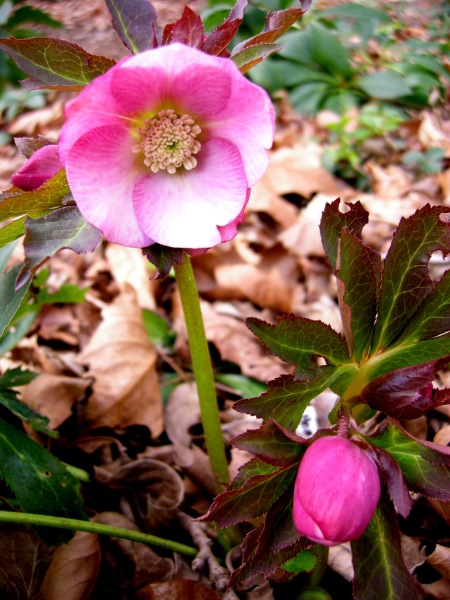

This beautiful hybrid hellebore, H. x hybridus ‘Pink Tea Cup’, is fully out right now.  It usually blooms in February.  Photo 12/31/11

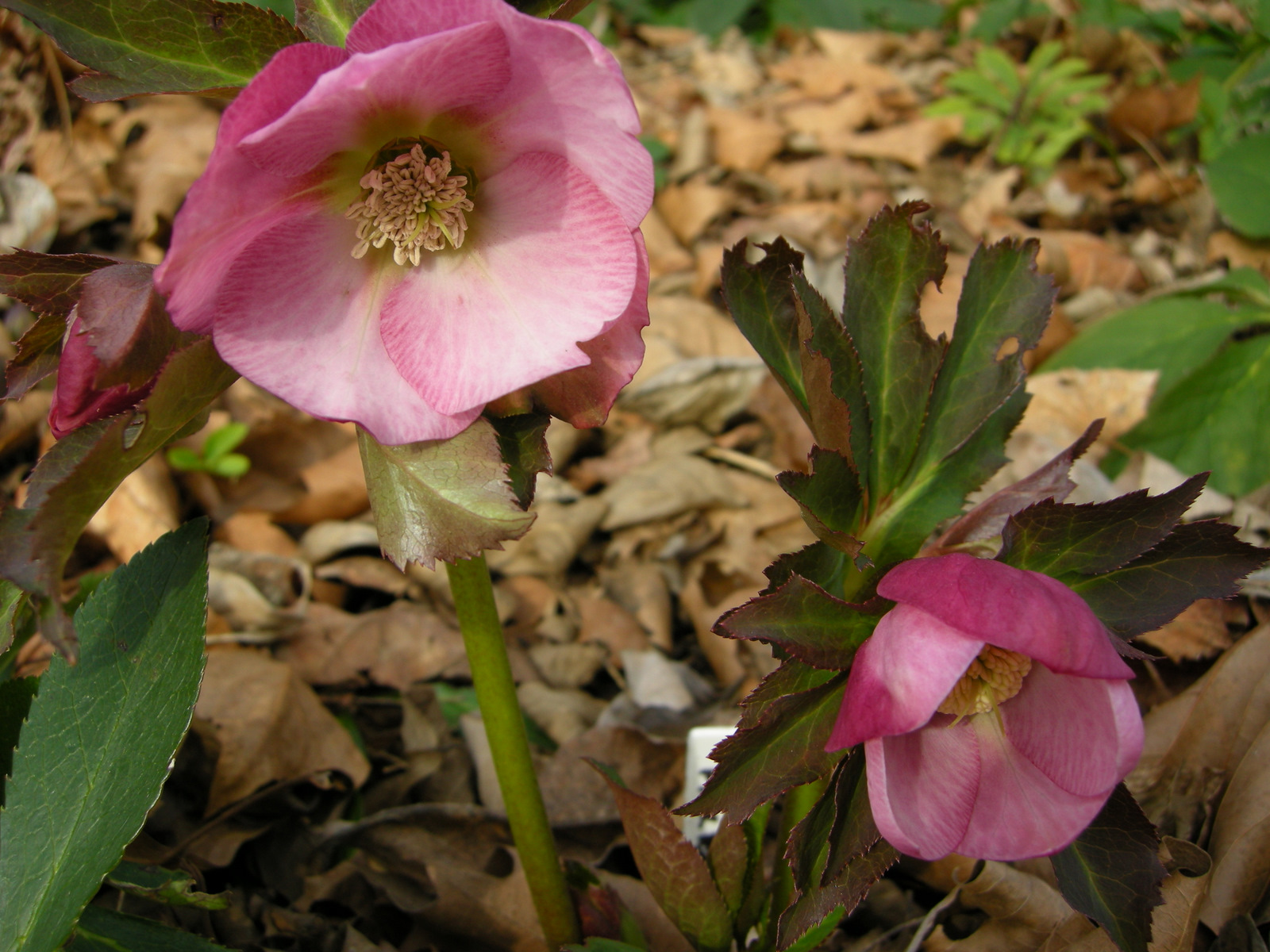
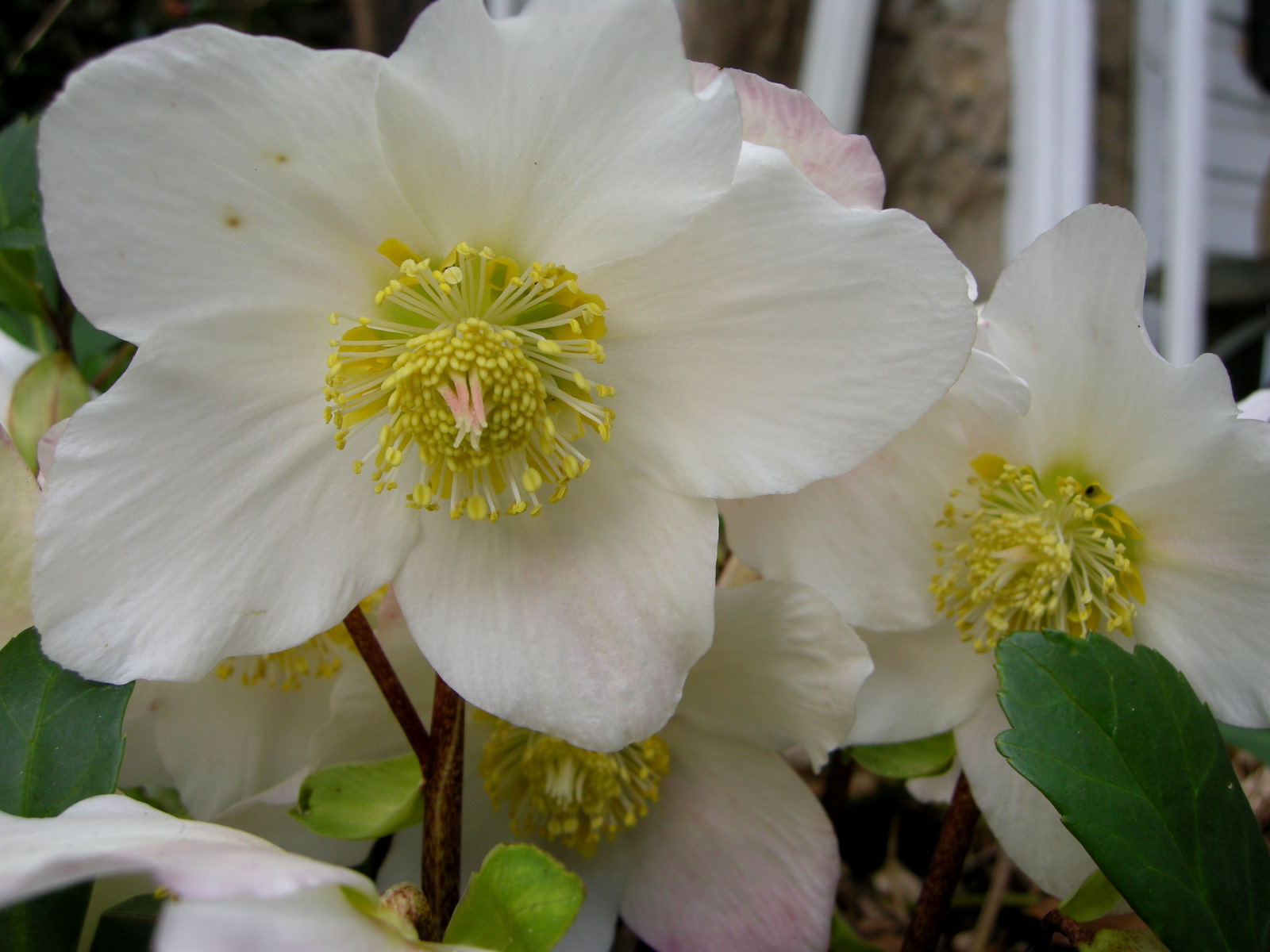
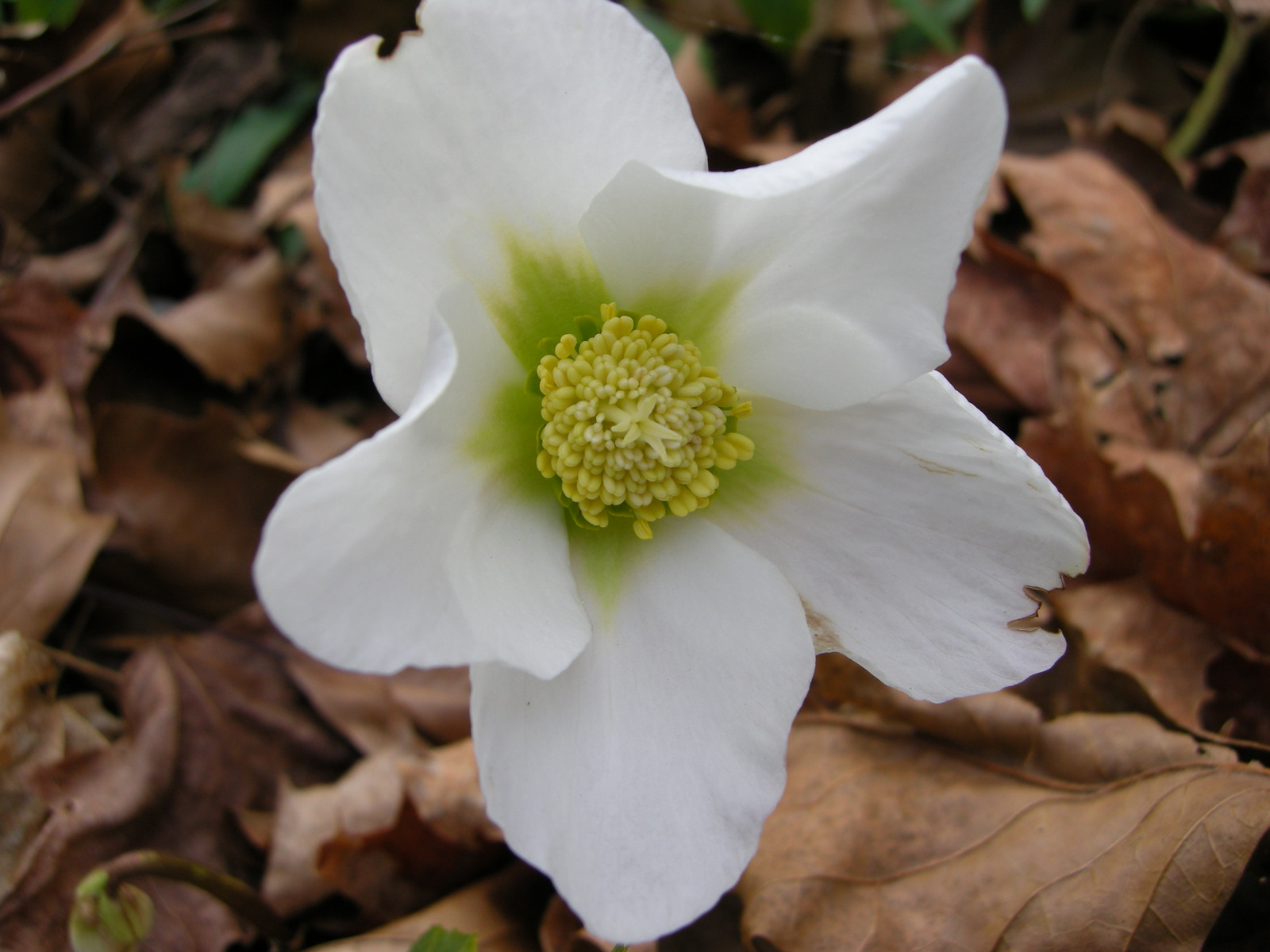
The genus Helleborus contains about 15 species, and decisions about how to care for them require some knowledge of exactly which hellebores you have and how they grow.  The most commonly available hellebores are hybrid hellebores, Helleborus x hybridus (the Royal Horticultural Society approved name, previously called Lenten rose),  with the large, showy, nodding flowers in an amazing range of colors.  For some beautiful photos, check out my articles An Ode to Seed Strain Hellebores and Double Hellebores.  Christmas rose, Helleborus niger, is also regularly found in gardens: for photos see Christmas Rose: The Perfect HelleboreBoth hybrid hellebores and Christmas roses produce leaves and flowers on separate stems (botanists call them acaulescent) so cutting back the leaves has no affect on the flowers.  The questions is when to cut.
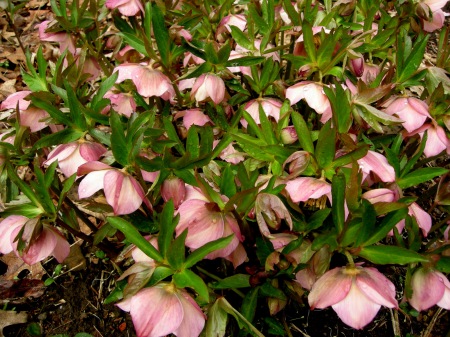
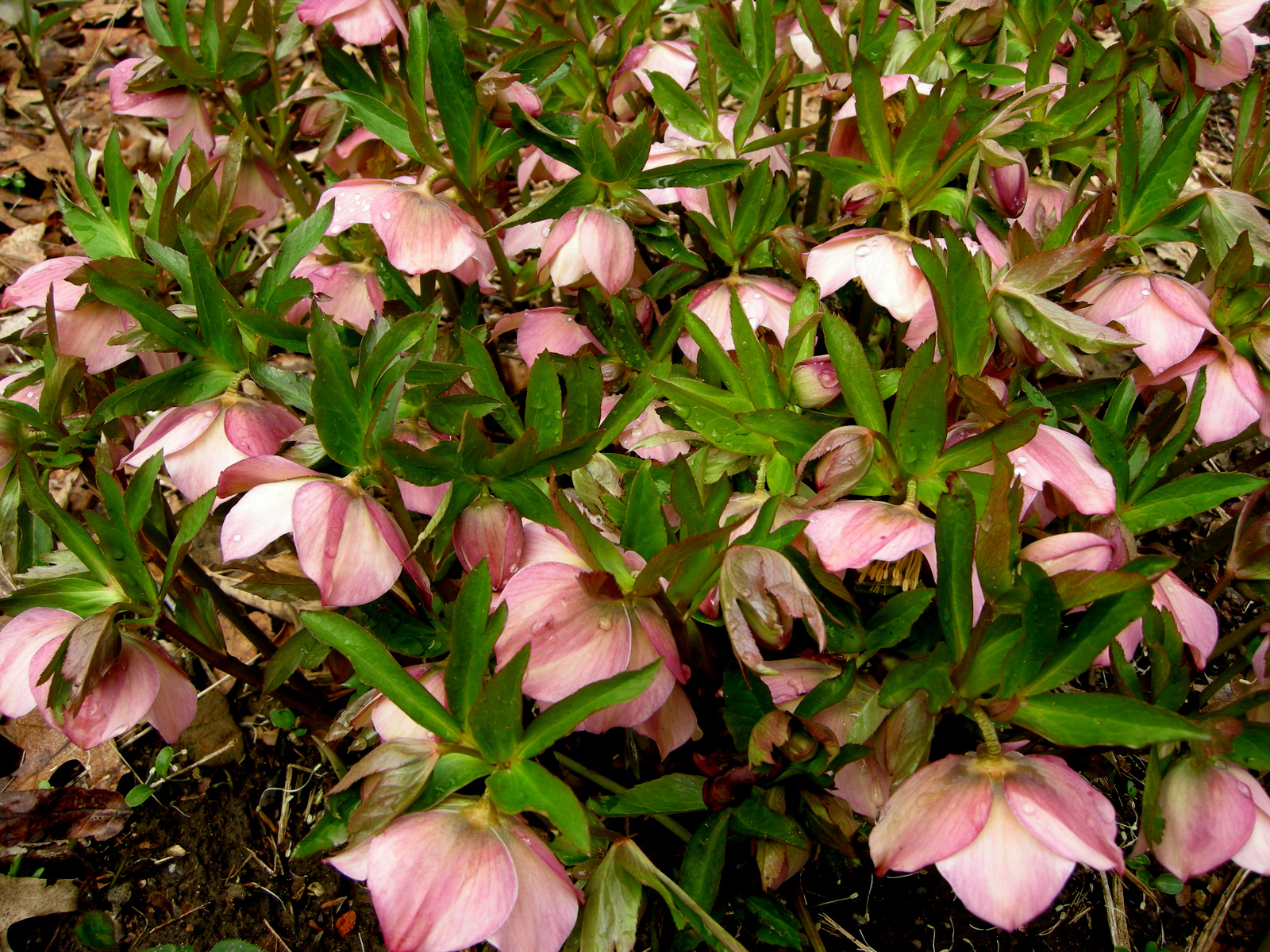
If there is a “common” hellebore, then the un-named hybrid hellebore above would be it.  I couldn’t even begin to count the number of flowers on this one plant.  No leaves are visible yet, what you are seeing are bracts on the flower stems.  Photo 3/21/11
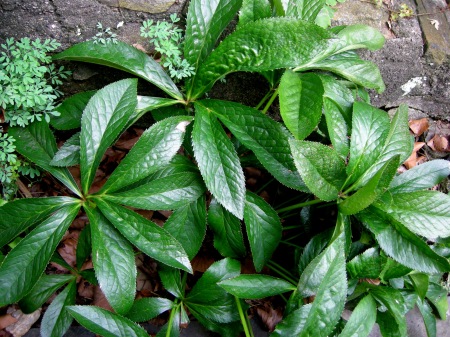
 

I do not cut back the leaves of hybrid hellebores in the fall because they are very pretty through the winter.

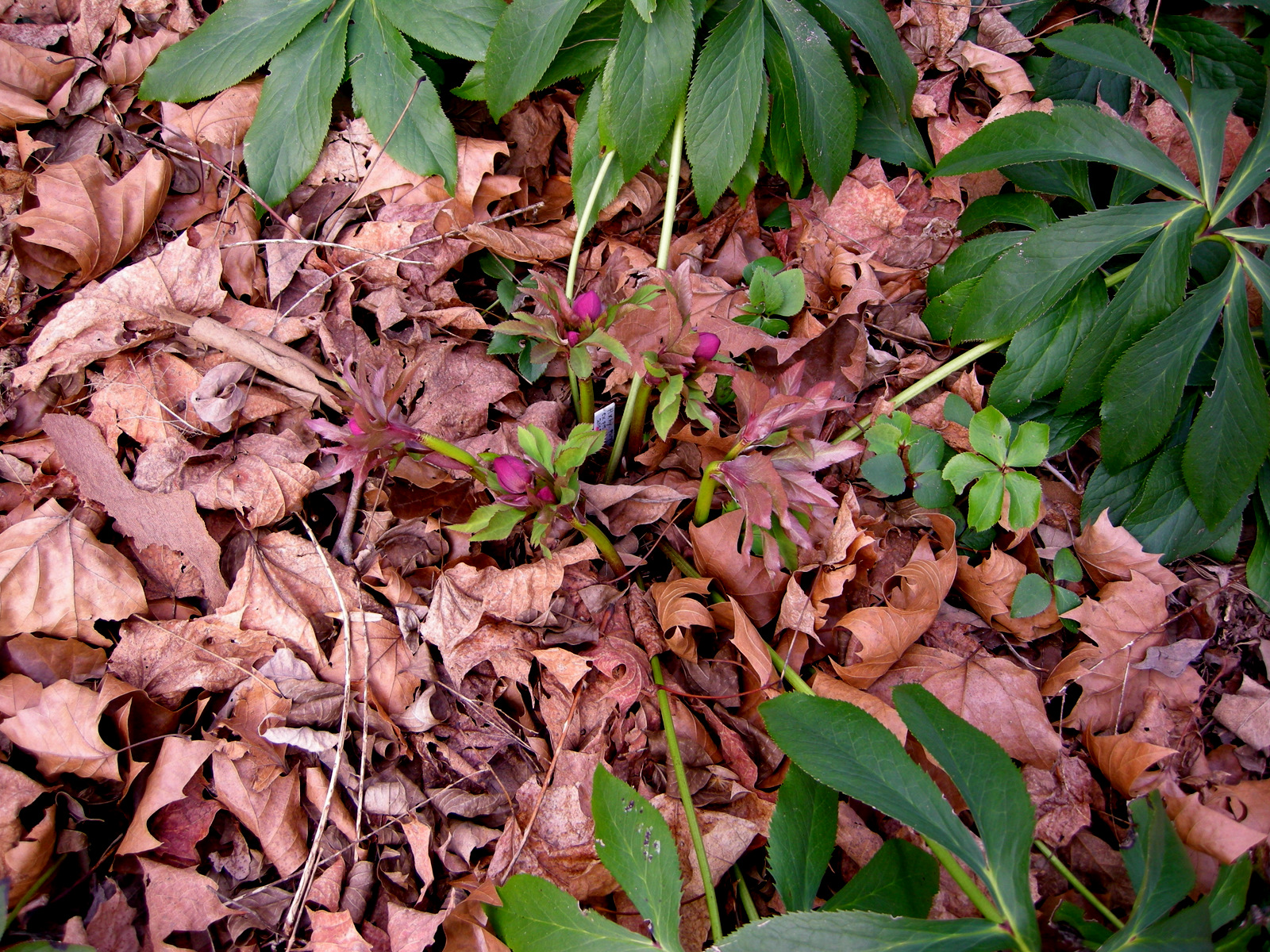
Hybrid hellebores have attractive leaves that stay green all winter (wintergreen), adding interest to the winter garden, so I leave them on as long as they look nice.  They are not evergreen though so the old leaves should be cut off when they become unsightly in late winter.  It is easiest to do this when the flower buds are still at the soil level and the old leaf stems and new flower stems are not yet intermingled.
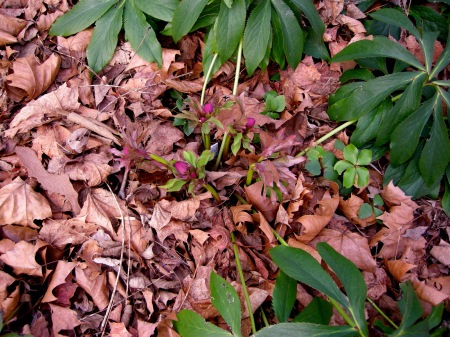
This photograph illustrates the new flower stems emerging among the old leaf stems, which will be cut off February 15.  Usually the leaves are standing up causing old and new to mingle, but also providing some protection from cold weather.  Photo 12/31/11


In addition to winter interest, I also leave the old leaves on to protect the flower buds should we experience very cold weather in January and early February.  For southeastern Pennsylvania, this could be as low as -5 degrees (-21C).  I cut back my hybrid hellebores around February 15.  The same rules apply for the nine species hellebores that are the parents of hybrid hellebores (see The Sex Lives of Hellebores) should you have them in your garden.
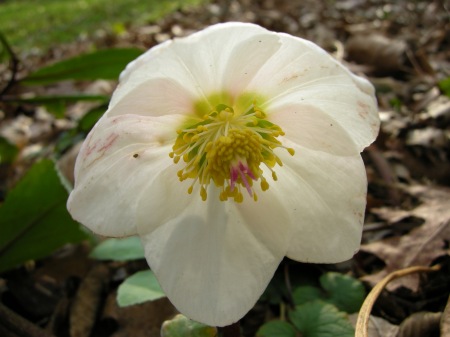
 

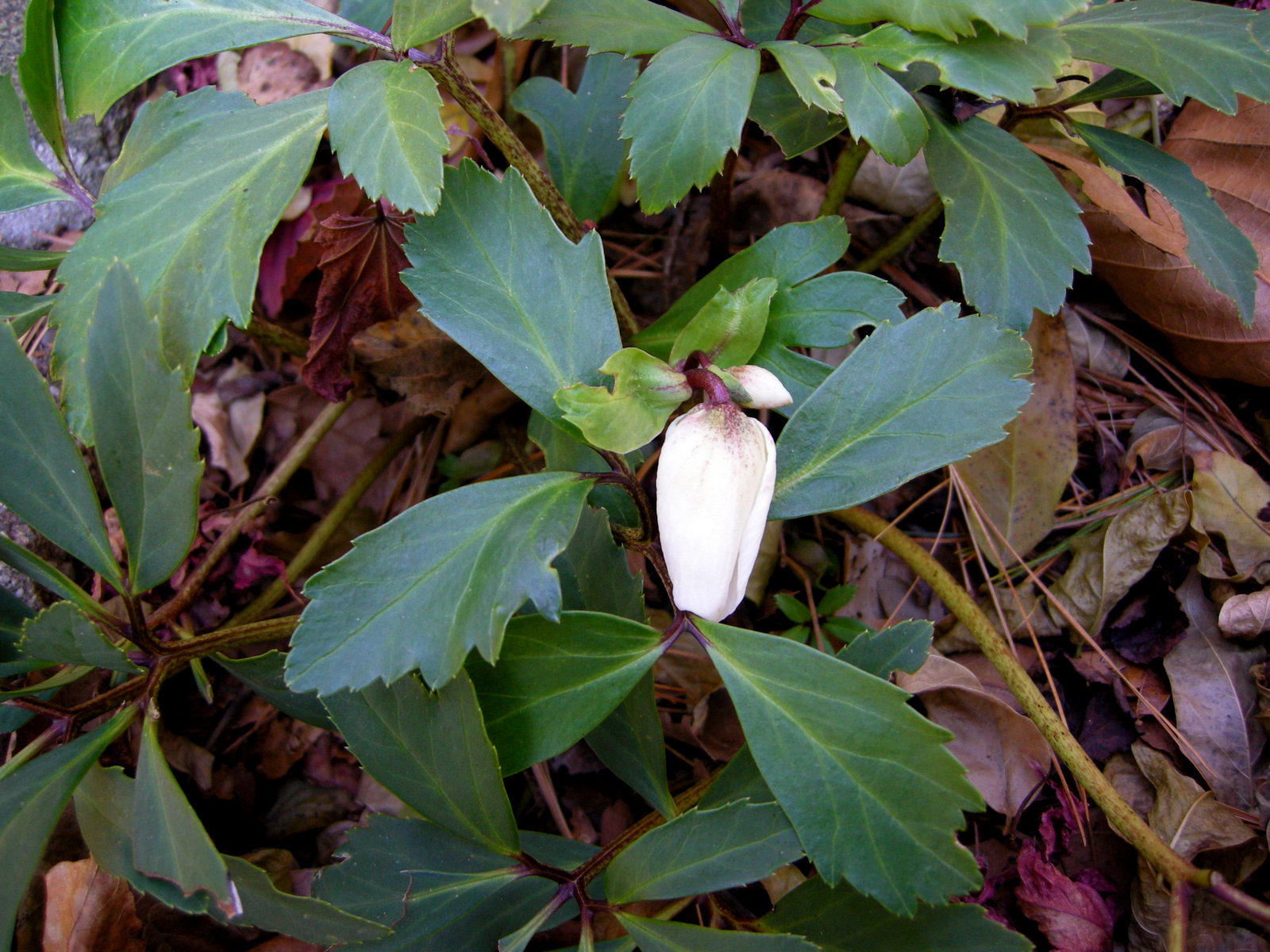
This straight species Christmas rose is blooming right now in my garden—it has never bloomed before March in the almost 15 years I have had it.  Notice the lack of leafy bracts on the stem.  Photo 12/31/11
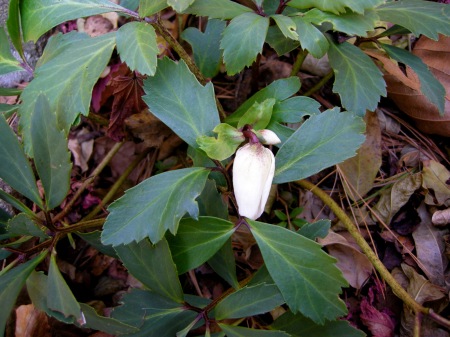
 

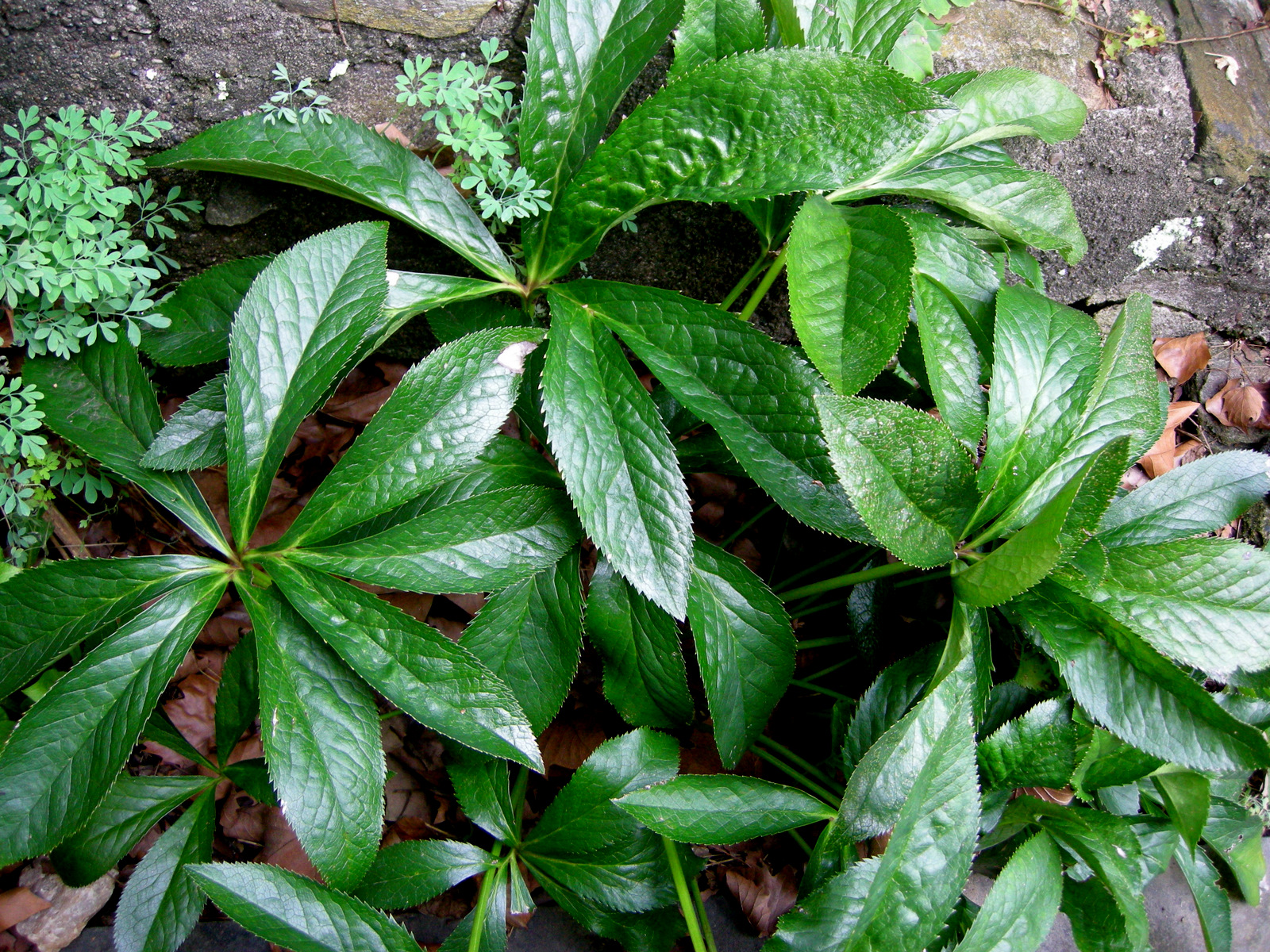
Christmas roses have very clean and elegant, blue-green leaves.

Christmas roses have even more beautiful wintergreen leaves.  Although you can cut them back without affecting the flowers (they are acaulescent), my considerations for this hellebore are somewhat different.  The flower stems of hybrid hellebores contain the buds and also leaf-like bracts, which provide a pleasing green backdrop for the blooming flowers (see photo of pink hybrid above).  Christmas rose flower stems have no bracts so if you cut off all the leaves, to me, the plant looks naked when it blooms.  As long as the leaves remain halfway decent, I leave them on until later in the season to serve as a frame for the flowers.  The leaf and flower stems do not intermingle so cutting them later is not a problem.
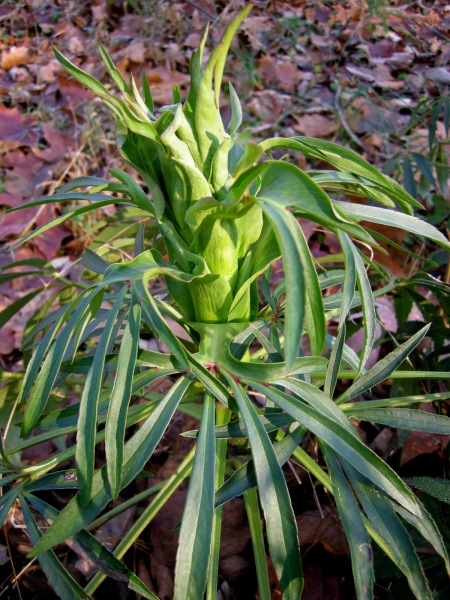
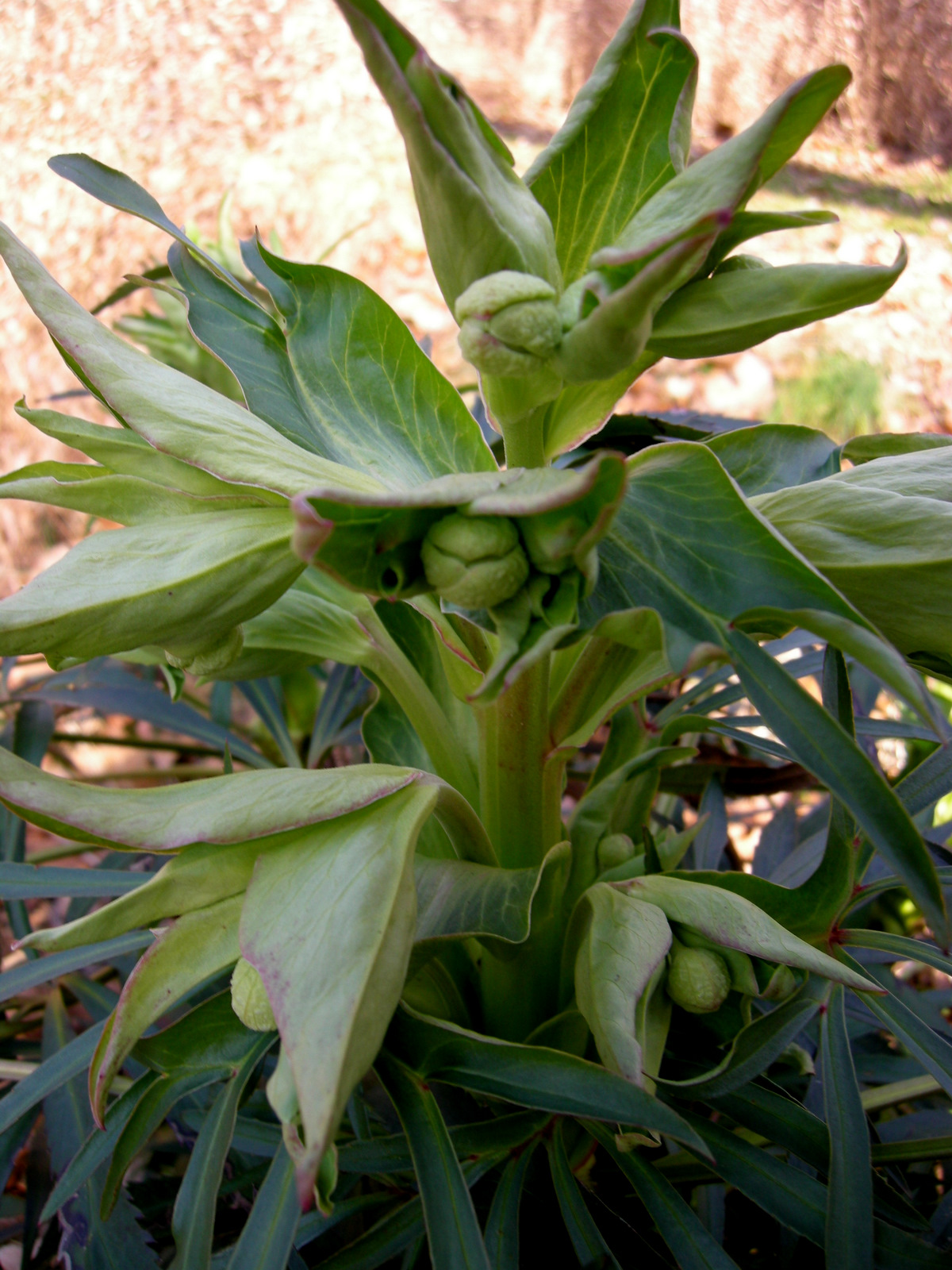
The buds of bearsfoot hellebore, H. foetidus, emerge from the top of the leaf stem in the fall.  For more photos of this spectacular hellebore, see Hellebores for Fall.  Photo 12/2/10

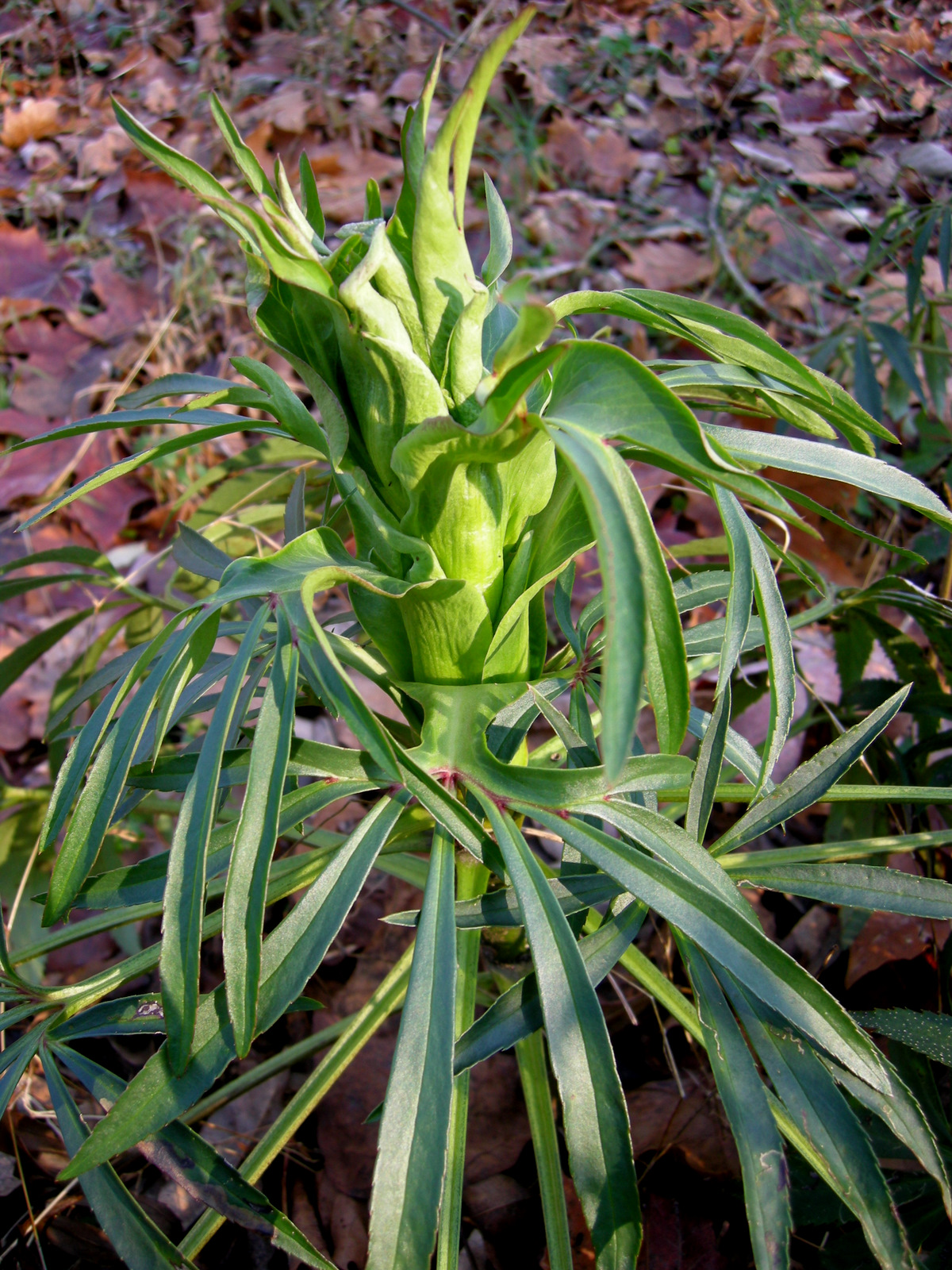
There are two more wintergreen hellebore species that make their way into hellebore lovers’ gardens: Corsican hellebore, Helleborus argutifolius, and bearsfoot hellebore, Helleborus foetidus.  Botanists call these species caulescent because the flowers are not separate but are on the end of the leaf stem.  You cannot cut off the leaf stem until after the plant has flowered because you will be removing the flower buds.  And if you cut off the individual leaves, you are left with a long, ugly stalk, typically 2-3′, with the flowers at the tip.
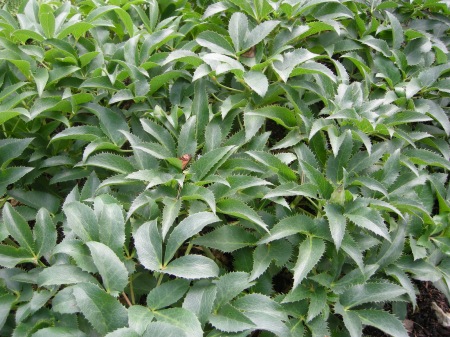
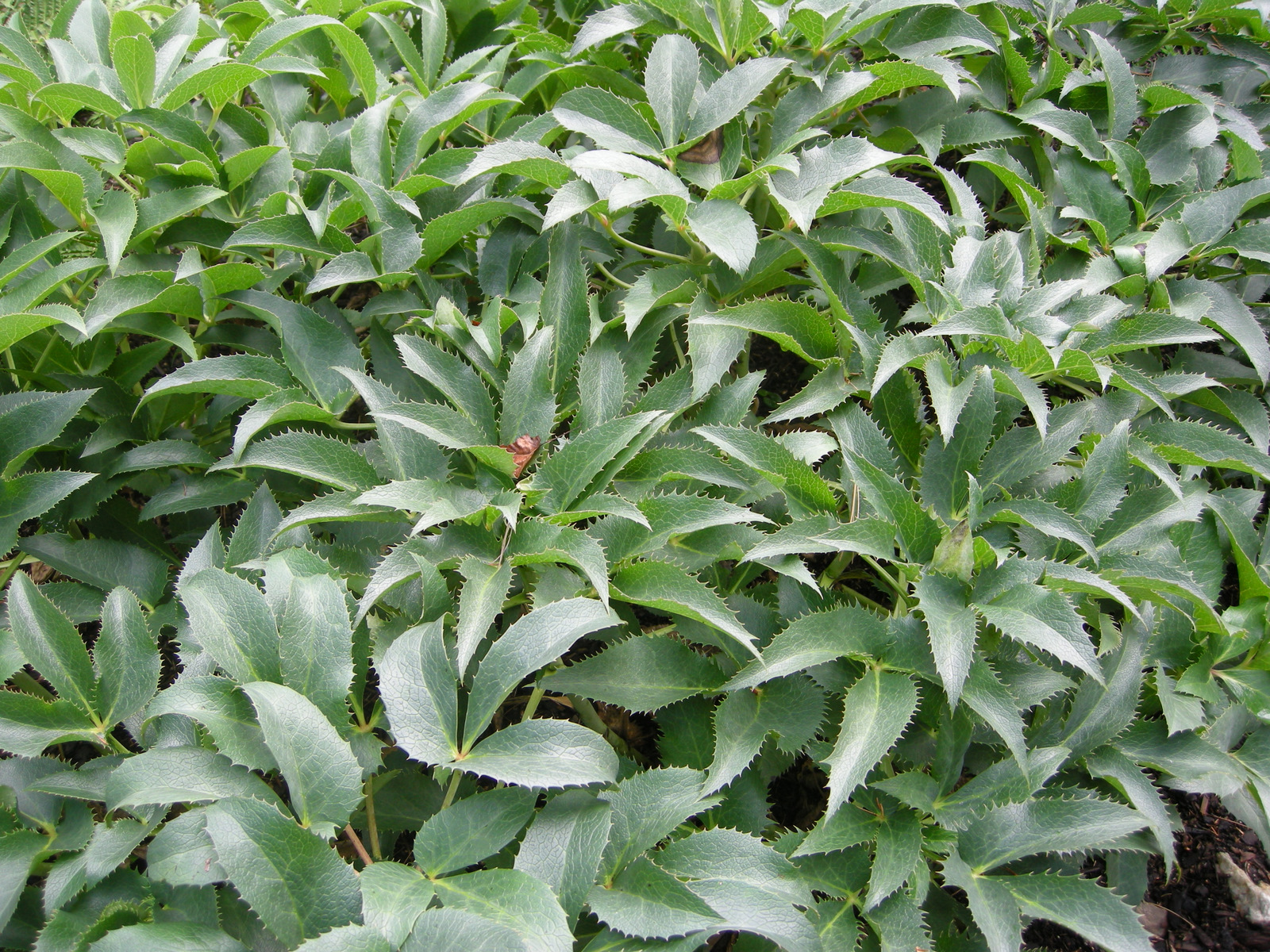
I grow Corsican hellebore, H. argutifolius, as much for its gorgeous wintergreen leaves as for its flowers.

In mild winters when the leaves remain attractive, this is not a problem.  It is also usually not a problem for bearsfoot hellebore whose leaves remain pristine during very cold winters.  However, Corsican hellebore leaves are easily damaged, and I often make the decision to sacrifice the flowers and cut the plants back to the ground rather than look at their unsightly leaves while they bloom.  I grow this species equally for its foliage, and new growth springs up very quickly when the old stems are removed.
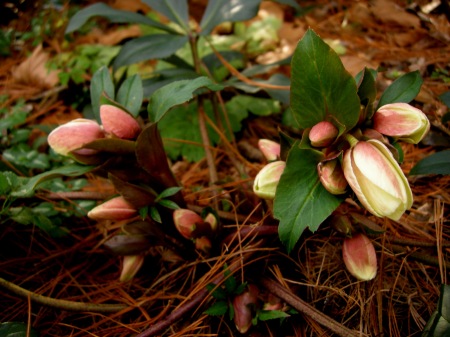
H. x ericsmithii ‘Winter’s Song’ in my garden right now—much earlier than normal for this species cross.  Notice the leafy bracts surrounding the flowers.  Photo 12/31/11


H. x ballardiae ‘Pink Frost’ displaying the pink color inherited from its parent H. lividus.  Photo 3/21/11

That pretty much covers care and maintenance of the hybrid hellebores and the available species hellebores.  However, a large group of gorgeous species crosses are beginning to appear in local gardens (especially if the gardener has been shopping at Carolyn’s Shade Gardens), and I want to let you know how to care for them.  These plants are generally the progeny of Christmas rose crossed with Corsican hellebore and/or Helleborus lividus (not hardy here) to produce elegant outward-facing flowers and silver-marbled leaves often with red highlights and stems.  The most familiar crosses are H. x ericsmithii (‘Silvermoon’, ‘Winter’s Song’), H. x nigercors (‘Honeyhill Joy’, ‘Green Corsican’), and H. x ballardiae (‘Pink Frost’).
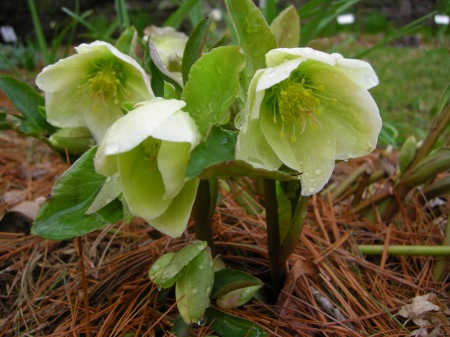
 

H. x nigercors ‘Green Corsican’: all the Christmas rose crosses have copious amounts of large, very desirable outward-facing flowers.  Photo 3/21/11

The Christmas rose crosses grow differently than either of the two groups discussed above.  Their leaves are one of their best features, and I cut them back only if they are unsightly.   They do have leaves and flowers on the same stems so you cannot cut the stems back to the base if cutting is necessary.  However, the plants are generally short, 12 to 15″, and produce such an abundance of flowers that cutting off individual leaves from the main stem does not leave an ugly stalk.  In addition, the flowers usually have leafy bracts to frame their beauty.
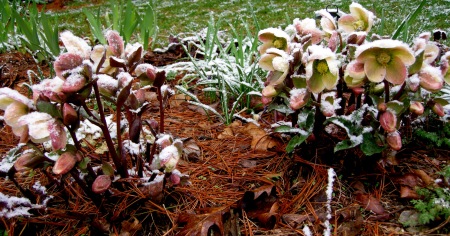
Our 2010-2011 winter was very hard on hellebore leaves.  However, even though I cut almost all the damaged leaves off these H. x ericsmithii ‘Silvermoon’ plants, they still look beautiful.  Photo 3/24/11

I hope I have answered all your questions about cutting back hellebores.  If not, feel free to seek clarification in a comment.  You are probably wondering what I will do this year when the hellebores are blooming early.  I have decided that discretion is the better part of valor so no leaves will be removed until mid-February.

Carolyn

If you would like to look at my photos all year round, please consider buying my 2012 calendar, available worldwide.  For details, click here.  It is 25% off through January 6, 2012, with the code ONEMORETHING at checkout.
This is part of a series of articles on hellebores, one of the specialties of my nursery.  Here are links to the other articles:

Part One        Hellebores for Fall

Part Two       An Ode to Seed Strain Hellebores

Part Three   Christmas Rose: The Perfect Hellebore

Part Four      Dividing Hybrid Hellebores

Part Five       The Sex Lives of Hellebores

Part Six          Double Hellebores

Part Seven   Cutting Back Hellebores

Notes: Every word that appears in orange on my blog is a link that you can click for more information.  If you want to return to my blog’s homepage to access the sidebar information (catalogues, previous articles, etc.) or to subscribe to my blog, just click here.