Archive for the evergreen Category

Woody Plants for Shade Part 7

Posted in Camellias, evergreen, Fall Color, native plants, Shade Shrubs, shade vines, winter interest with tags , , , , , , , , , , , , , , , , , , , , , , on March 25, 2013 by Carolyn @ Carolyns Shade Gardens

Carolyn’s Shade Gardens is a retail nursery located in Bryn Mawr, PA, specializing in showy, colorful, and unusual plants for shade.  The only plants that we ship are snowdrops and miniature hostas.  For catalogues and announcements of events, please send your full name, location, and phone number (for back up use only) to carolyn@carolynsshadegardens.com.  Click here to get to the home page of our website for catalogues and information about our nursery and to subscribe to our blog.

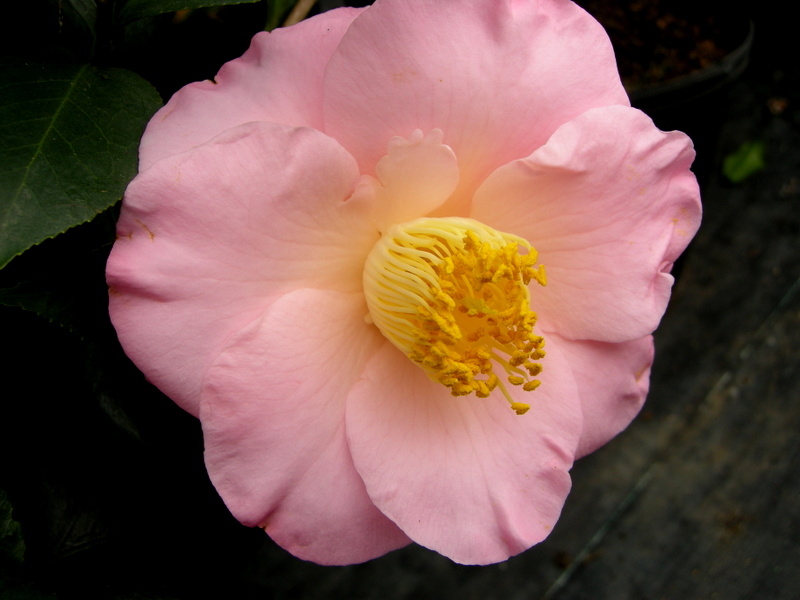
Camellia x 'Spring's Promise'Spring-blooming camellia ‘Spring’s Promise’ is available in the current offer but was profiled in a previous woody plant post so I am not describing it here.  However, it is a favorite of mine, and I wanted to include a photo.  For a full write up of this plant,  go to Woody Plants for Shade Part 1.

.

My nursery, Carolyn’s Shade Gardens, specializes in perennials for shade with an emphasis on hellebores, unusual bulbs especially snowdrops, hostas particularly miniature hostas, native plants, and ferns.  However, a satisfying shade garden does not consist of just perennials but includes trees, shrubs, and vines.  I provide a quality source for these plants by doing a special offer three times a year. 

I have just sent my first 2013 list to my customers.  To view the catalogue, click here.   However, I thought my blog readers who are not customers might be interested in learning about the woody plants that I would recommend they add to their shade gardens.  And doing an article allows me to add more information and explain why I chose the plants I included so customers might be interested also.

.

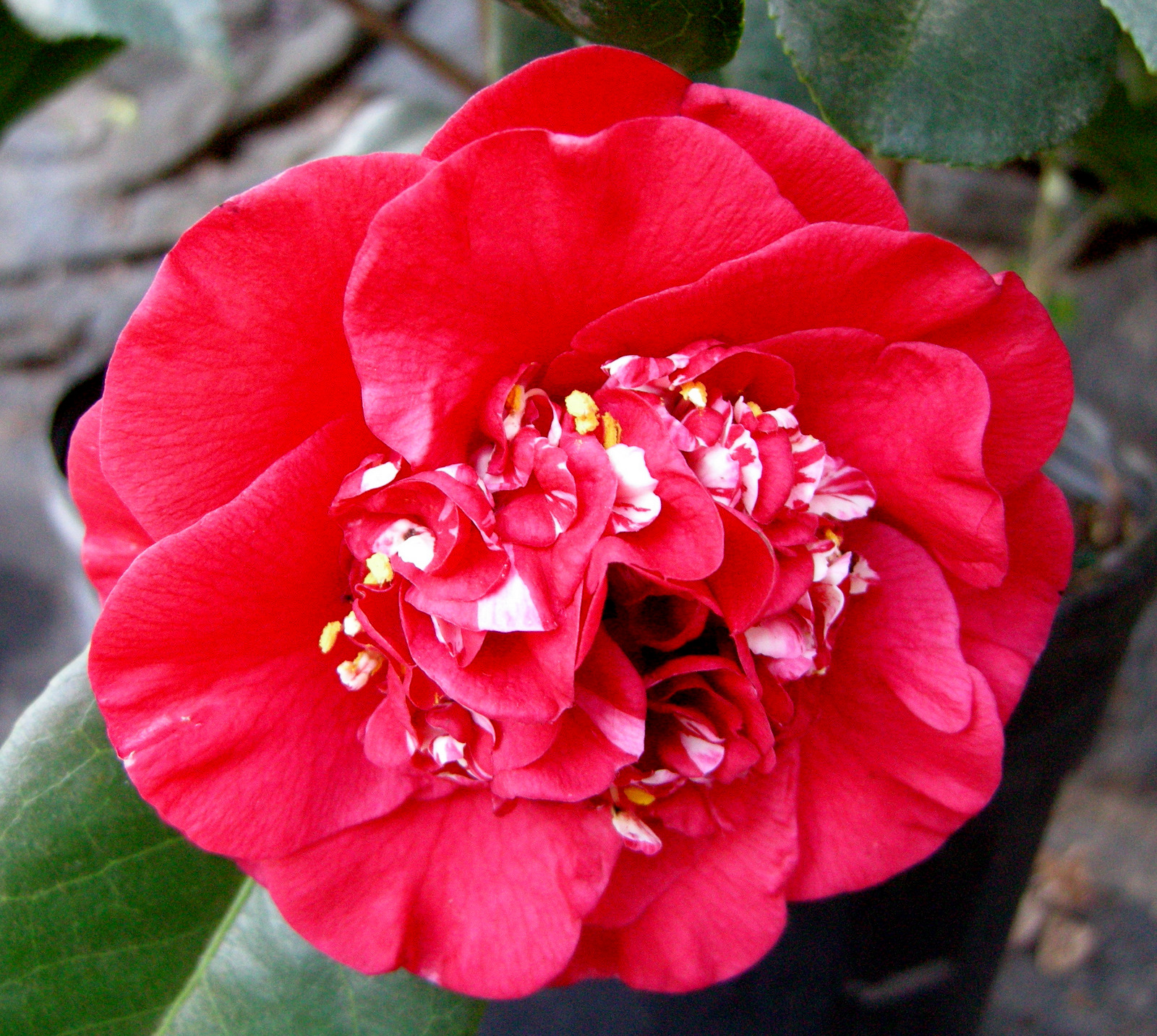
Camellia japonica 'Korean Fire'Spring-blooming camellia ‘Korean Fire’ has the most beautiful leaves of any camellia.

The offer focuses on winter- and early spring-blooming plants, evergreens and winter interest, native plants, and fragrance.  Included are four camellias, six other shrubs, and one vine.  Six of the plants I have chosen are evergreen, and seven bloom off season, in fall or late winter/early spring.   This reflects  my desire to see gardeners expand their gardens’ season beyond spring and summer to become a year round paradise for them to enjoy.  With that introduction, here are the plants I am highlighting:

Camellia japonica 'Korean Fire'‘Korean Fire’


I included four hardy camellias for their spectacular early (or late) season flowers and elegant evergreen leaves. These camellias, along with many other cultivars, have been selected to be fully cold hardy in the mid-Atlantic U.S, zones 6B and 7A.  Nevertheless all camellias benefit from being sited to shelter them from winter wind, which comes from the northwest.  They also maintain their lustrous dark green leaves in better shape if they are sheltered from winter sun.

‘Korean Fire’ is a Camellia japonica cultivar hardy in our area because it was selected from the most northern range of the species.  It has very showy bright red single flowers in April and May and glossy dark evergreen leaves.  It grows to 10′ tall and 6′ wide in part to full shade.  It was introduced by Barry Yinger of Asiatica Nursery from plants collected in Korea in 1984 and has received the Pennsylvania Horticultural Society Gold Medal Award for outstanding plants for our area.

.
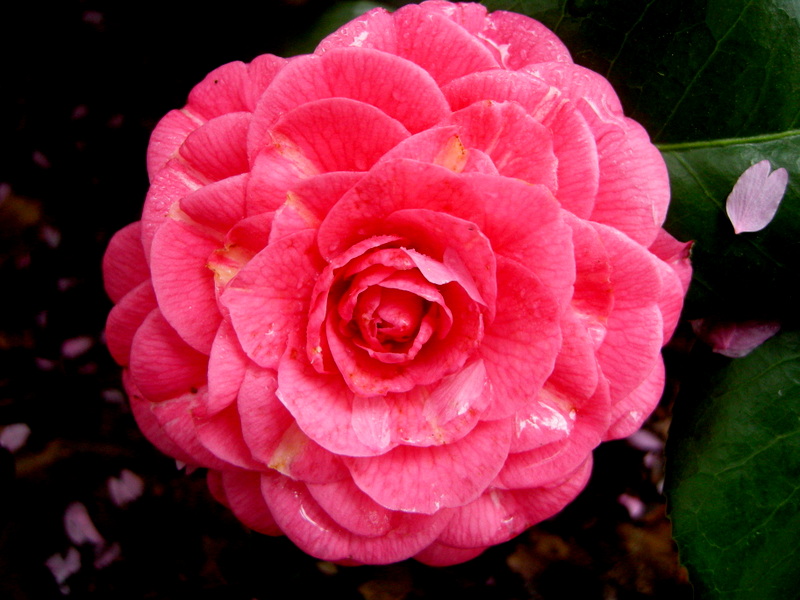
Camellia x 'April Rose'‘April Rose’ spring-blooming camellia

Camellia x ‘April Rose’ is a spring-blooming hardy camellia with gorgeous plump buds opening to formal double rose-pink flowers in April and May.  It has large glossy dark evergreen leaves.  It is 5’ tall and 4′ wide, growing in part to full shade.  It is part of the April series of exceptionally cold hardy camellias developed by Dr. Clifford Parks of North Carolina.

.
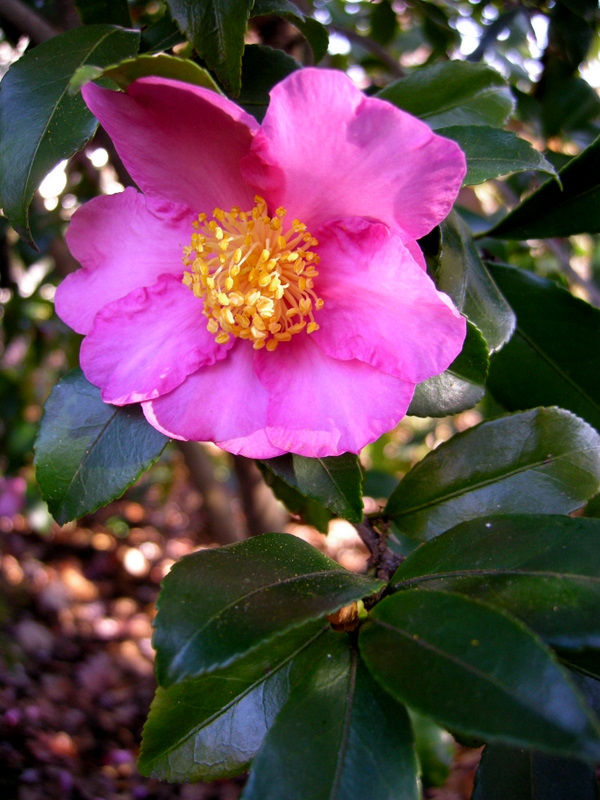
Camellia x 'Winter's Star'Fall-blooming camellia ‘Winter’s Star’

‘Winter’s Star’ is a fall-blooming, cold hardy camellia with single pink flowers in October and November and glossy evergreen leaves.  It is a vigorous plant with an upright habit, reaching 6′ tall and 5′ wide at maturity and sporting lustrous dark evergreen leaves in part to full shade.  It was selected for cold hardiness by Dr. William Ackerman at the U.S. National Arboretum in Washington, DC.

.
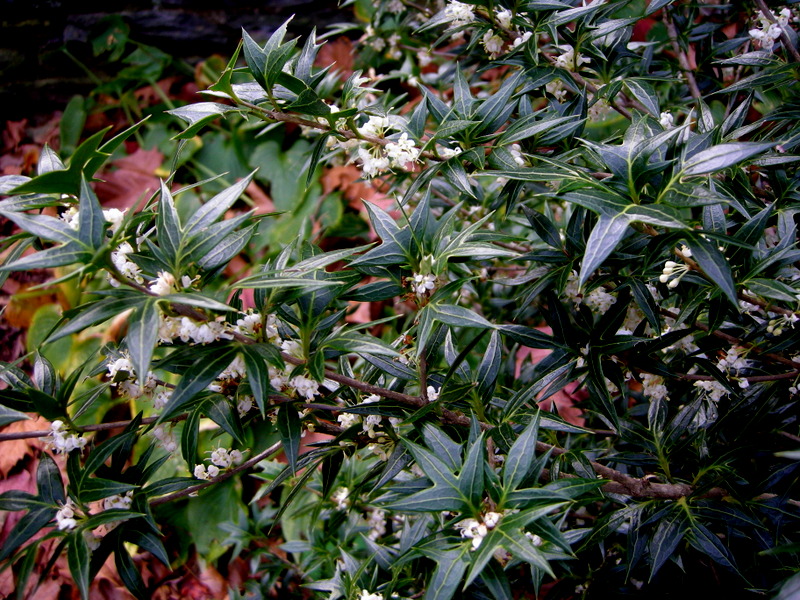
Osmanthus heterophyllus 'Sasaba'‘Sasaba’ holly osmanthus (also known as holly tree olive), O. heterophyllus, blooms in the fall and is beautifully fragrant.

Fall-blooming holly osmanthus‘Sasaba’  is the fifth evergreen in the offer, and I would grow it just for its dramatic, deeply incised dark evergreen leaves.  Its delicious fragrance perfumes my whole hillside in November when it blooms: if you are visiting you can see it on the back hill.  Its prickly foliage repels deer.  It grows 6’ tall and 4’ wide in full sun to full shade.

.

Japanese mahonia, Mahonia japonica, is the sixth evergreen in the offer.  It was previously profiled here, but I am including it again because I think it is the most fragrant and best all round mahonia species.

.

There are four deciduous shrubs in the offer:

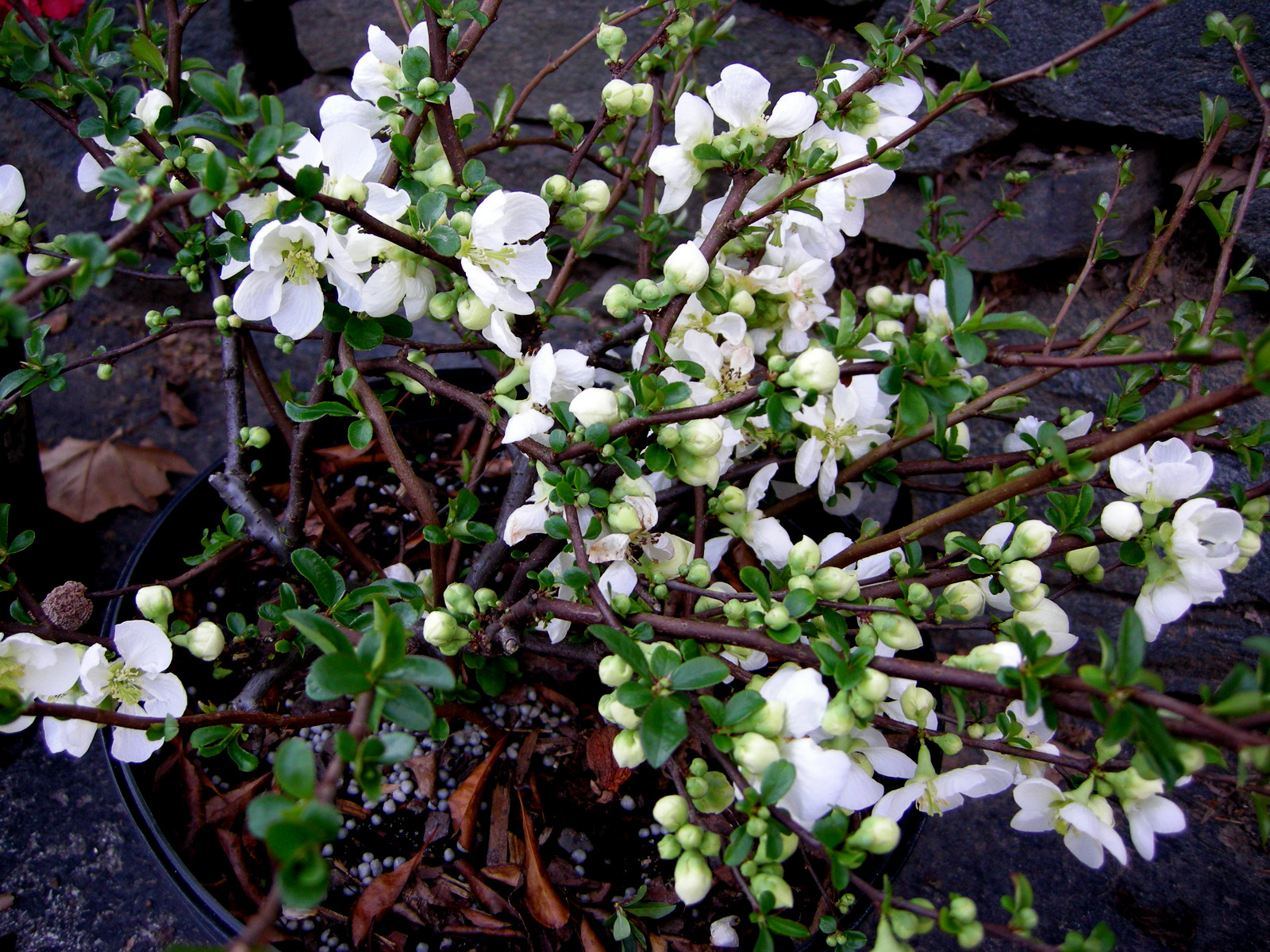
Chaenomeles speciosa 'Texas Scarlet'‘Texas Scarlet’ flowering quince, Chaenomeles x superba, is another repeat.  This compact selection gives you the wonderful early flowers of quince without the lethal thorns and out-of-control growth habit of normal quinces.  For a complete profile, click here.

.
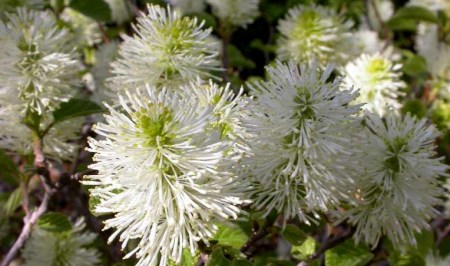
Fothergilla MOBOTThe lovely fragrant flowers of fothergilla.

.
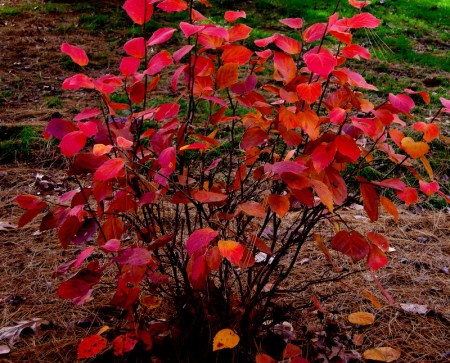
Fothergilla gardeniiThis is a photo of my unselected fothergilla so I can only imagine what ‘Red Licorice’ must look like in the fall.

.

Native ‘Red Licorice’ fothergilla has honey-scented, white bottlebrush flowers in April and May.  It is a new fothergilla cultivar selected for its spectacular cherry red fall color.  It grows to 6’ tall and 5’ wide in full sun to full shade.  It is wet site tolerant,  deer resistant, and attracts butterflies.  It is native to the southeastern US.

.

Kerria japonica Golden Guinea_DK‘Golden Guinea’ Japanese kerria, Kerria japonica, produces copious amounts of large, bright gold flowers.

.
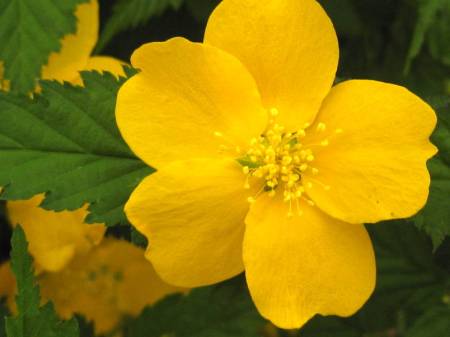
Kerria japonica Golden Guinea2 apr_LS (1)A close up of ‘Golden Guinea’

.

‘Golden Guinea’ Japanese kerria is covered with 2 ½” yellow flowers  in April and May and then reblooms sporadically.  It has delicate, bright green pointed leaves, and its graceful stems are a vibrant green providing great winter interest.  It grows to 5’ tall and 4’ wide in part sun to almost full shade (full sun bleaches the flowers).  Kerria grows in average garden soils, is tough and adaptable, and resists deer.

.

Rhododendron arborescens 1-15-13_LS (1)The lovely buds of native sweet azalea, Rhododendron arborescens.

.

Rhododendron arborescens 4-27-12_LS (2)The fragrant flowers of sweet azalea.

.

Native sweet azalea’s very attractive buds, which are on the plant right now, produce light pink to white very fragrant flowers with showy red stamens from May to June.  Its lustrous green leaves turn a stunning orange to red in fall.  It can grow to 10’ tall and 7’ wide in full sun to almost full shade but is usually smaller.  Sweet azalea is wet site tolerant and is one of Pennsylvania’s hardiest native deciduous azaleas.  It was first described by John Bartram in 1814.

.
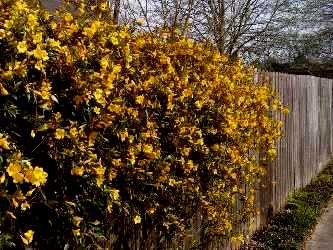
Gelsemium sempervirens 'Margarita'Carolina jessamine ‘Margarita’, Gelsemium sempervirens, is a vine that I have offered before but its many fragrant, bright yellow flowers, semi-evergreen leaves, and the fact that it is native to the southeastern US make it a very desirable plant.  For a complete profile, click herePhoto courtesy of the Missouri Botanical Garden PlantFinder.

.

I grow most of these plants in my gardens so I know you can’t go wrong by adding them to yours!  If you are a customer, see Nursery Happenings below for details on how to order these wonderful shade plants by noon on March 30.  If not, now you have some plants to ask for at your local independent nursery.

Carolyn

.

Carolyn’s Shade Gardens is a retail nursery located in Bryn Mawr, Pennsylvania, US, zone 6b.  The only plants that we mail order are snowdrops and miniature hostas and only within the US.

If you are within visiting distance and would like to receive catalogues and information about customer events, please send your full name and phone number to carolynsshadegardens@verizon.net.  Subscribing to my blog does not sign you up to receive this information.

Nursery Happenings:  The nursery is open and fully stocked.  If you can’t come to an event, just email to schedule an appointment to shop.  If you wish to order shrubs, everything you need to know is in the catalogue, which can be accessed here.   The deadline for shrub orders is noon on March 30.  Our Native Wildflower Weekend takes place on Friday, April 5, from 10 am to 4 pm, and Saturday, April 6, from 10 am to 2 pm.  If you are a customer, expect an email shortly with all the details.

Facebook:  Carolyn’s Shade Gardens has a Facebook Page where I post single photos, garden tips, and other information that doesn’t fit into a blog post.  You can look at my Facebook page here or click the Like button on my right sidebar here.

Notes: Every word that appears in orange on my blog is a link that you can click for more information.  If you want to return to my blog’s homepage to access the sidebar information (catalogues, previous articles, etc.) or to subscribe to my blog, just click here.

New York Times Photos

Posted in Camellias, evergreen, Fall, Fall Color, Shade Shrubs, winter, winter interest with tags , , , , , on January 29, 2013 by Carolyn @ Carolyns Shade Gardens

Carolyn’s Shade Gardens is a retail nursery located in Bryn Mawr, PA, specializing in showy, colorful, and unusual plants for shade.  The only plants that we ship are snowdrops and miniature hostas.  For catalogues and announcements of events, please send your full name, location, and phone number (for back up use only) to carolyn@carolynsshadegardens.com.  Click here to get to the home page of our website for catalogues and information about our nursery and to subscribe to our blog.

Camellia x 'Autumn Spirit'‘Autumn Spirit’ (fall blooming), the lead photo in the NYT article.

Readers will soon tire of me featuring myself in my posts, especially since the recent snowdrop post did just that.  However, I am bursting with excitement and will explode if I can’t do it one more time.  I was recently hired by the New York Times as a free lance photographer to provide the photos for a camellia article interviewing camellia expert Charles Cresson.  The print article “Camellias Ready for a Cold Snap” appeared on January 17, 2013.  One photo is on the cover of the Home section with the full article on page D4.  If you read the small print you will see my name.  You can find the on line version here.  Be sure and click through the slide show.

Camellia "Wax Lips"Unnamed Korean Camellia japonica seedling (spring blooming)

.

Camellia japonica 'Berenice Boddy' Cresson Garden‘Berenice Boddy’ (spring blooming)

.

While letting you know about the New York Times article, I thought this post would be a good place to list helpful articles on cold hardy camellias for easy reference.  I did this in the snowdrop post, and it has already proved invaluable to me.  I have interspersed the article names and links with some of my favorite camellia photos to keep the attention of those of you who don’t want to read up on camellias.  I am also going to list the camellias covered in each article in case a reader is interested in a particular cultivar.

Camellia 'April Tryst'‘April Tryst’ (spring blooming)

.

Camellia x (Ackerman seedling)Unnamed Ackerman Seedling (fall blooming)

December 8, 2010

“Fall-blooming Camellias Part 1”

Camellia oleifera, Elaine Lee, Winter’s Darling

click here to read

Camellia x 'Moon Festival'‘Moon Festival’ (fall blooming), not hardy in zone 6.

.

Camellia x 'Winter's Interlude'‘Winter’s Interlude’ (fall blooming)

December 17, 2010

“Fall-blooming Camellias Part 2”

Snow Flurry, Winter’s Dream, Autumn Spirit, Winter’s Snowman, Winter’s Charm, Scented Snow, Winter’s Beauty

click here to read

Camellia x 'April Rose'‘April Rose’ (spring blooming)

.

Camellia x 'Winter's Snowman'‘Winter’s Snowman’ (fall blooming)

November 10, 2011

“Fall-blooming Camellias Part 3”

Snow Flurry, Winter’s Snowman, Winter’s Star, Winter’s Interlude, Moon Festival, Carolina Moonmist

click here to read

Camellia x 'Elaine Lee'‘Elaine Lee’ (fall blooming)

.

Camellia x 'Pink Icicle'‘Pink Icicle’ (spring blooming)

December 2, 2012

“2012 Fall-blooming Camellias”

Winter’s Joy, Winter’s Snowman, Snow Flurry, Autumn Spirit, Survivor, Long Island Pink, Polar Ice, Ashton’s Ballet, Winter’s Rose, Winter’s Fire

click here to read

Camellia x 'April Blush'‘April Blush’ (spring blooming)

January 2006

“Camellias for Cold Climates” by William L. Ackerman

details Dr. Ackerman’s cold hardy camellia breeding at the US National Arboretum in Washington, DC, and describes each cultivar’s ornamental attributes and hardiness

click here to read

Camellia x 'Winter's Beauty'‘Winter’s Beauty’ (fall blooming)

January 17, 2013

The New York Times

‘Camellias Ready for a Cold Snap” by Anne Raver

excellent article profiling cold hardy camellias for the mid-Atlantic and discussing many additional cultivars not mentioned in my articles

click here to read


* * * * *

I hope that this post will act as a central reference point where I can collect information on cold hardy camellias for the mid-Atlantic.  I intend to add titles and links as I discover more information about one of my favorite topics.  I can see already that I have neglected spring-blooming camellias in favor of the fall-blooming varieties.

Enjoy, Carolyn

.

Carolyn’s Shade Gardens is a retail nursery located in Bryn Mawr, Pennsylvania, US, zone 6b.  The only plants that we mail order are snowdrops and miniature hostas and only within the US.

If you are within visiting distance and would like to receive catalogues and information about customer events, please send your full name and phone number to carolynsshadegardens@verizon.net.  Subscribing to my blog does not sign you up to receive this information.

Nursery Happenings:  The 2013 Snowdrop Catalogue is on the sidebar of the website and orders are being accepted.  To view the catalogue, click here.  There are a few spaces left in both sessions of Charles Cresson’s 2013 Winter Interest Plants Seminar.  To view the brochure and register, click here.

Facebook:  Carolyn’s Shade Gardens has a Facebook Page where I post single photos, garden tips, and other information that doesn’t fit into a blog post.  You can look at my Facebook page here or click the Like button on my right sidebar here.

Notes: Every word that appears in orange on my blog is a link that you can click for more information.  If you want to return to my blog’s homepage to access the sidebar information (catalogues, previous articles, etc.) or to subscribe to my blog, just click here.
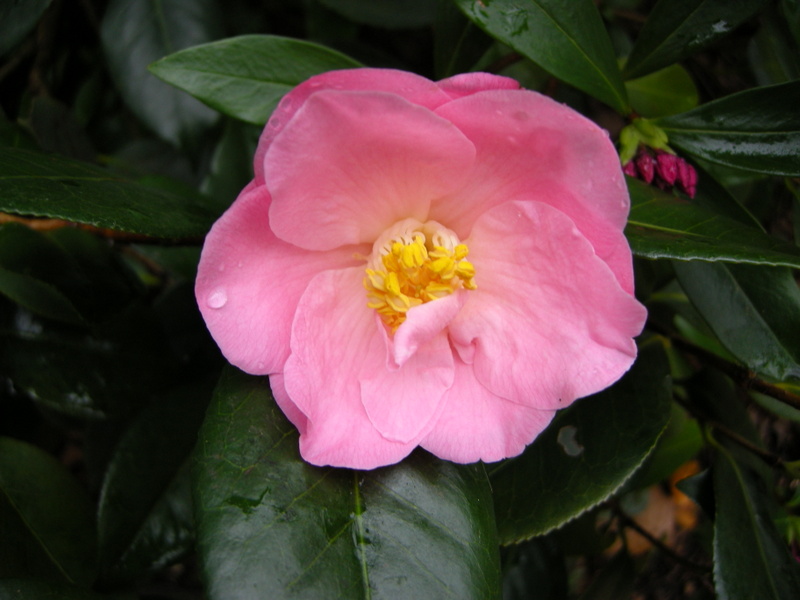
2012 Fall-blooming Camellias

Posted in Camellias, evergreen, Fall, Fall Color, Shade Shrubs with tags , , , , , , , , , , , , , , on December 2, 2012 by Carolyn @ Carolyns Shade Gardens

Carolyn’s Shade Gardens is a retail nursery located in Bryn Mawr, PA, specializing in showy, colorful, and unusual plants for shade.  The only plants that we ship are snowdrops and miniature hostas.  For catalogues and announcements of events, please send your full name, location, and phone number (for back up use only) to carolyn@carolynsshadegardens.com.  Click here to get to the home page of our website for catalogues and information about our nursery and to subscribe to our blog.

Camellia x 'Winter's Joy'The fall-blooming camellias are flowering in my garden, pictured above is ‘Winter’s Joy’.  I planted this camellia last fall, and it bloomed all through our mild winter.  This year it is once again loaded with buds and began blooming in October.

For the past two falls, I have written posts on fall-blooming camellias, shrubs that have quickly become favorites in my garden.  Who can resist their tough nature, glossy, evergreen leaves, tidy habit, and, best of all, large, elegant flowers from September through December?  To read my posts, click Part One, Part Two, and Part Three.

'Winter's Snowman'‘Winter’s Snowman’ was planted in spring 2011 in dense shade and bloomed sparsely last fall.  This year it is well established and has been covered with flowers since October.

I only have four fall-blooming camellias in my garden: the two pictured above plus ‘Elaine Lee’ and ‘Winter’s Darling’.  My desire to showcase some new varieties on my blog gave me a great excuse to venture forth and visit the camellia collections of two great gardeners, both located in Swarthmore, Pennsylvania.  I spent two glorious afternoons obsessing on camellias with Charles Cresson, whose garden you have visited many times on my blog, and with Keith Robertshaw, a diehard camellia collector and one of my nursery customers.

Camellia x 'Snow Flurry'‘Snow Flurry’, which I have shown you before in the Cresson garden, is having a banner year this year.

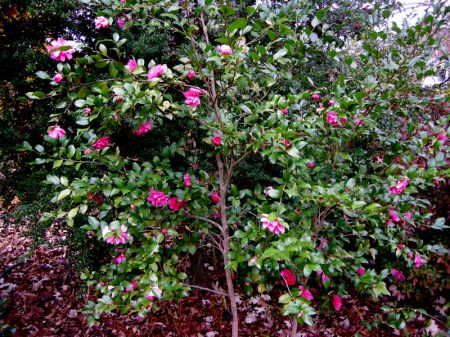
The weird weather patterns we have been experiencing have had one good result, camellias are blooming early this year with an abundance of flowers.  I usually find it very difficult to photograph a full camellia shrub.  When I step back far enough to get the whole bush in the photo, the flowers lose their impact even though they look great in person. That was not a problem on my recent trip when cultivars like ‘Snow Flurry’ were bursting with flowers as you can see in the above photo.

Camellia x 'Snow Flurry'‘Snow Flurry’ is the earliest to flower of the cold hardy fall-blooming camellias selected by William Ackerman at the US National Arboretum in Washington, DC.  It is at the top of the list for additions to my garden.

.

Camellia x 'Autumn Spirit'‘Autumn Spirit’ is another cold hardy camellia that blooms early and has produced a plethora of flowers this year.  Early bloomers are desirable because they are guaranteed to bloom even if we have an early winter that freezes the buds on the late bloomers.

.

Camellia x 'Autumn Spirit'‘Autumn Spirit’ was selected by the North Carolina nursery Camellia Forest for its intense color, early bloom, and cold hardiness.

I have featured all four of the camellias shown above in my previous posts.  However, my visits to the Robertshaw and Cresson gardens did yield seven new cold hardy camellias that I haven’t seen before.  If you combine these with the approximately 20 cultivars profiled in my 2010 and 2011 posts, you will have a pretty comprehensive reference library of camellias suitable for the mid-Atlantic area of the US.  Here are the new candidates:

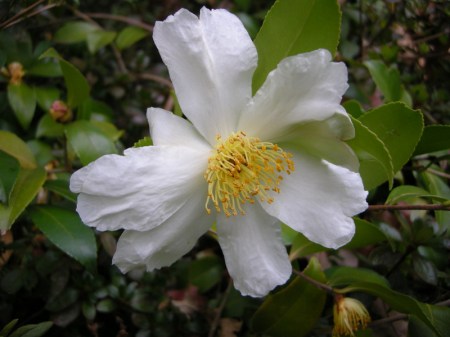
Camellia x 'Survivor'‘Survivor’ is another Camellia Forest introduction producing an abundance of single white flowers in early fall.  If you are in an area north of the mid-Atlantic, you might want to try this very cold hardy camellia which survived -9° F (-22.8° C) in the Camellia Forest Nursery garden.

.

Camellia x 'Long Island Pink'Another camellia in addition to ‘Survivor’ for gardeners who prefer single flowers, ‘Long Island Pink’ is also valued for its large highly polished leaves.  Although it is a cultivar of  C. sasanqua, which is generally considered tender, ‘Long Island Pink’ was selected for cold hardiness from a Long Island, NY, garden.

.

Camellia x 'Polar Ice'‘Polar Ice’ is a cold hardy Ackerman hybrid with anemone form flowers blooming in November and December.

.

Camellia x 'Ashton's Ballet' ‘Ashton’s Ballet’ is an Ackerman hybrid with rose form double flowers blooming in November and December.  It has a compact form and makes a beautiful garden specimen.

.

Camellia x (Ackerman seedling)I am cheating by putting this camellia in the post because you can’t buy it.  It was an Ackerman seedling given to Charles Cresson but never introduced to the trade.  The flowers are huge, gorgeous, and pure white.  I think we need to lobby to have it named! 

.

Camellia x 'Winter's Rose'The Ackerman hybrid ‘Winter’s Rose’ is unusual.  It is a semi-dwarf that grows very slowly and densely with small leaves and flowers, making a great patio plant.  If you don’t have much room, this is the camellia for you.

.

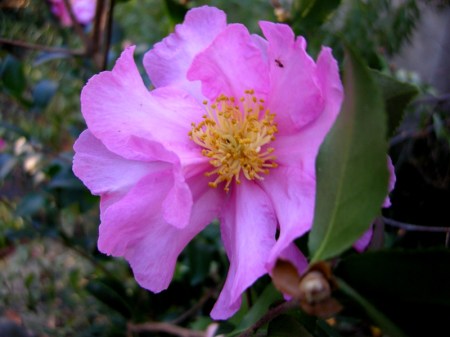
Camellia x 'Winter's Rose'‘Winter Rose’ has an abundance of small delicate shell pink flowers from mid-October to early December.  Charles Cresson pointed out that although the plant is exceedingly hardy, the flowers freeze easily.

.

Camellia x 'Winter's Rose' ‘Winter’s Rose’ seems to be the favorite among commenters so I thought I would add another photo.

.

Camellia x 'Winter's Fire'‘Winter’s Fire’ was present in both gardens and is the most intriguing camellia that I saw during my visits.  The flower color is very unusual, a beautiful mix of red, pink, and coral with contrasting white splotches.  While Keith and Charles both stated that the white was caused by a non-harmful virus and both plants displayed this coloring, I could find no mention of this on the internet.

[Thanks to reader Alisa Brown for answering my question about ‘Winter’s Fire’.   Variegation in camellias caused by a virus is not considered part of the official description of the flower.  You can read more about this by clicking here.]


Camellia x 'Winter's Fire'William Ackerman, who selected ‘Winter’s Fire’, characterizes it as having “spreading growth with a weeping habit.”  In the Robertshaw garden, it was growing like a groundcover.  This photo is taken from above.  I would love to try it cascading over a wall.

.

Camellias in Cresson gardenThis is one corner of the Cresson garden showing ‘Snow Flurry’ on the left and the unnamed white Ackerman plant on the top right intermingled with several other large camellias.  Though it may be hard at first to get used to such big gorgeous flowers in November, as you can see they make for a beautiful fall landscape.


My annual fall camellia hunt is over with seven new specimens bagged.  Now I have a year to determine where I will continue my search next fall.  If you know of any local public or private gardens showcasing camellias please let me know.

Carolyn


Nursery Happenings:  Carolyn’s Shade Gardens is done for the fall.  Thanks for a great year.  See you in spring 2013.

If you are within visiting distance and would like to receive catalogues and information about customer events, please send your full name and phone number to carolynsshadegardens@verizon.net.  Subscribing to my blog does not sign you up to receive this information.

Facebook:  Carolyn’s Shade Gardens has a Facebook page where I post single photos, garden tips, and other information that doesn’t fit into a blog post.  You can look at my Facebook page here or click the Like button on my right sidebar here.

Notes: Every word that appears in orange on my blog is a link that you can click for more information.  If you want to return to my blog’s homepage to access the sidebar information (catalogues, previous articles, etc.) or to subscribe to my blog, just click here.
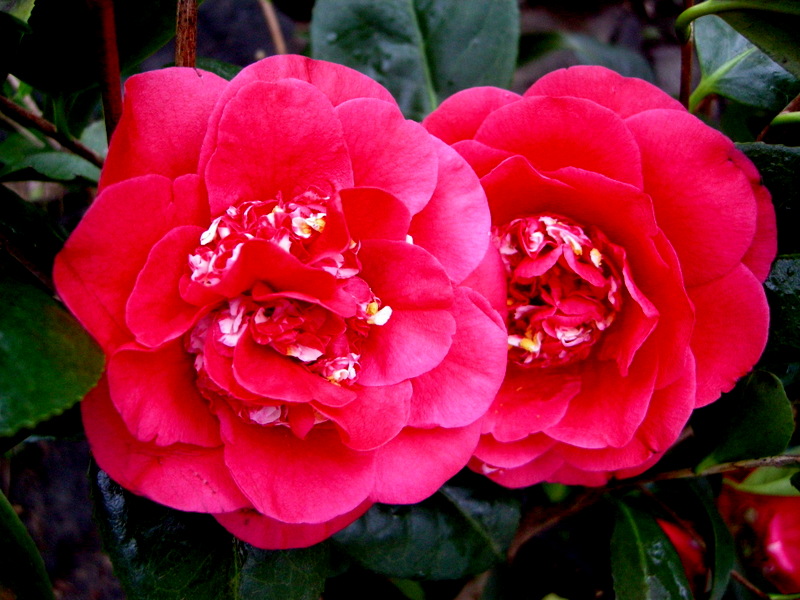
 

November GBBD: What’s Peaking Now

Posted in evergreen, Fall, Fall Color, hellebores, snowdrops with tags , , , , , , , , , , , , , , , , , , , , on November 15, 2012 by Carolyn @ Carolyns Shade Gardens

Carolyn’s Shade Gardens is a retail nursery located in Bryn Mawr, PA, specializing in showy, colorful, and unusual plants for shade.  The only plants that we ship are snowdrops and miniature hostas.  For catalogues and announcements of events, please send your full name, location, and phone number (for back up use only) to carolyn@carolynsshadegardens.com.  Click here to get to the home page of our website for catalogues and information about our nursery and to subscribe to our blog.

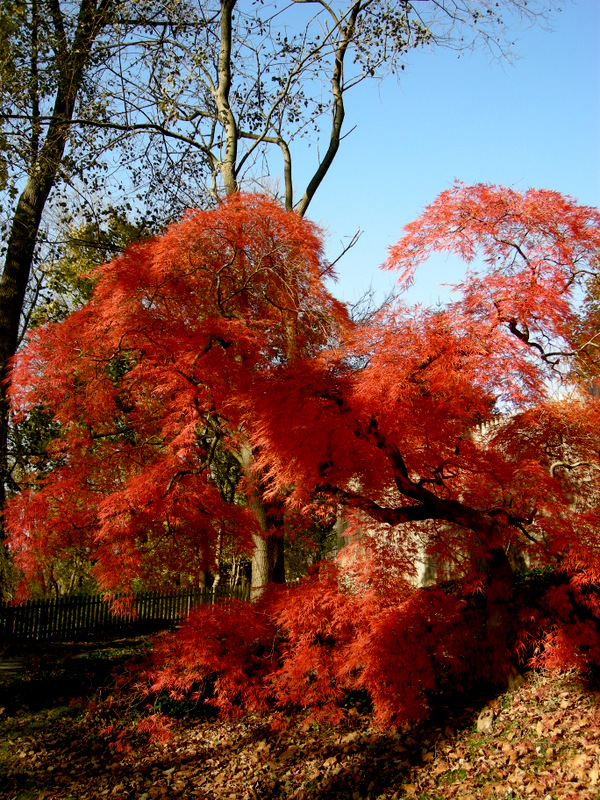
This Japanese maple, Acer palmatum, of unknown origin broke off in the ice and snow in January 2011.  For a photo of it then, click here.  It has recovered beautifully with an even more interesting habit.

I have said before that no matter how much I try to enjoy it, November is not my favorite month.  As I wander around, all I see are plants dying back, work to be done, and time running out.  Last year wasn’t too bad because we had a long warm fall with beautiful weather and plenty going on through the middle of November.  I even called my Garden Bloggers Bloom Day post “Prime Time” (click here to see the show).  This year most gardeners in the mid-Atlantic US agree that fall colors on many plants have been muted and gardens have gone by early.  Even September and October contained few of the clear, crisp, and sunny days we look forward to, and then along came Sandy.

A seedling Japanese maple along my front walk.

Despite the bad fall, there are plants in my garden right now that make a stroll outside worthwhile.  What is it about them that so attracts me?  It is that these plants are reaching their ornamental height right now.  They are not just re-blooming or showing a few flowers on a plant that really peaked earlier like asters or phlox, and they are not producing lovely fall color on a woody that I grow just as much for its flowers like hydrangea or viburnum.  November is the month when they reach the top.

The Japanese maples that seeded around this London plane tree produce a variety of fall colors from yellow to orange to red.

In this post I re-introduce you to some of the plants that show their best side in November and December.  I have written about many of them before, and I will provide links to those posts.  However, I wanted to gather these plants together here to provide a complete reference of fall stars to use during your spring shopping  trips.

‘Shishigashira’ is a gorgeous Japanese maple that just starts to turn in mid-November.  It will eventually become a solid orangey red.

When all the other trees have shown their colors and lost their leaves, Japanese maples are just starting to turn.  Every time I go outside I grab my camera to take one more shot of their eye-catching color.  I think it is their prime ornamental characteristic, especially because of its timing, even though I also appreciate their fine branching structure, delicate leaves, and variety of habits.

Fall-blooming hardy cyclamen, C. hederifolium.

The white and pink flowers of hardy cyclamen.

Fall-blooming hardy cyclamen is dormant in the summer and re-emerges in the fall.  To get all the details, click here to read my recent post on this unusual but easy to grow plant.  For the purposes of this post, what makes it so desirable is that November is its peak when its leaves are fully emerged and provide a stunning backdrop for the flowers.

The basic Italian arum, A. italicum, sometimes called ‘Pictum’.


‘Gold Dust’ Italian arum has much more distinct markings with gold veins.


The leaves of ‘Tiny Tot’ Italian arum are about one-third the size (or less) of the species and very finely marked.


Italian arum’s life cycle is very similar to hardy cyclamen: it goes dormant in the summer and comes up fresh and beautiful to peak in the fall and through the winter.  It makes a great groundcover, and you can read more about it by clicking here.


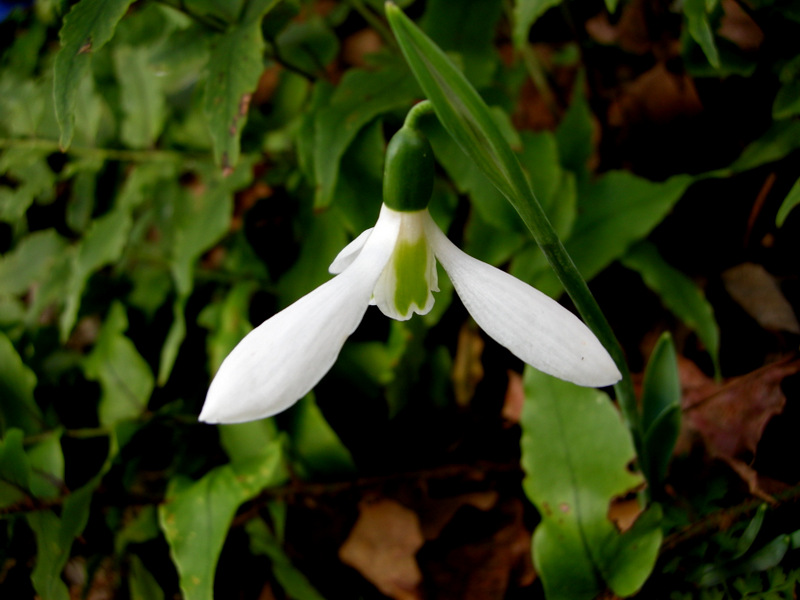
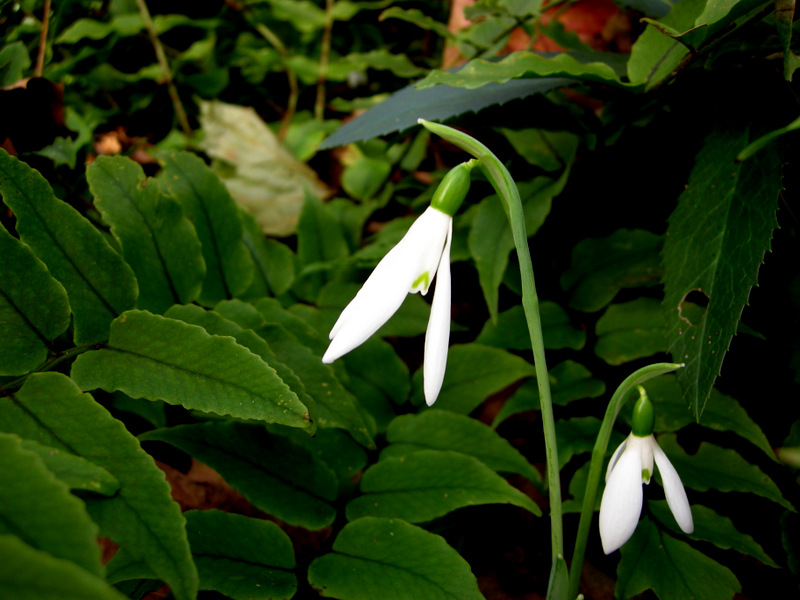
Giant snowdrop, Galanthus elwesii.

A giant snowdrop with unusually long outer segments (petals).

‘Potter’s Prelude’ giant snowdrop, G. elwesii var. monostichus, is just starting to open in mid-November.

I couldn’t write a post this time of year without mentioning fall-blooming snowdrops.  Although we think of snowdrops as blooming in March, there are several species that bloom in the fall, including G. reginae-olgae, which blooms in October and is done now.  Also the giant snowdrop, whose flowers are quite variable, blooms for a long period from November to February so I have included some photos above.  But the king of fall is ‘Potter’s Prelude’, a very robust and vigorous snowdrop that blooms reliably in November.  For more information, click here to read my post on fall-blooming snowdrops.

Christmas rose ‘Josef Lemper’, Helleborus niger

This photo was taken today—as you can see ‘Josef’ Lemper’s’ October flowers have gone by, but a whole new crop of buds are preparing for November.


The Christmas rose ‘Jacob’ begins a month later that ‘Josef Lemper’.  Its buds are just beginning to reach up beyond the leaves.

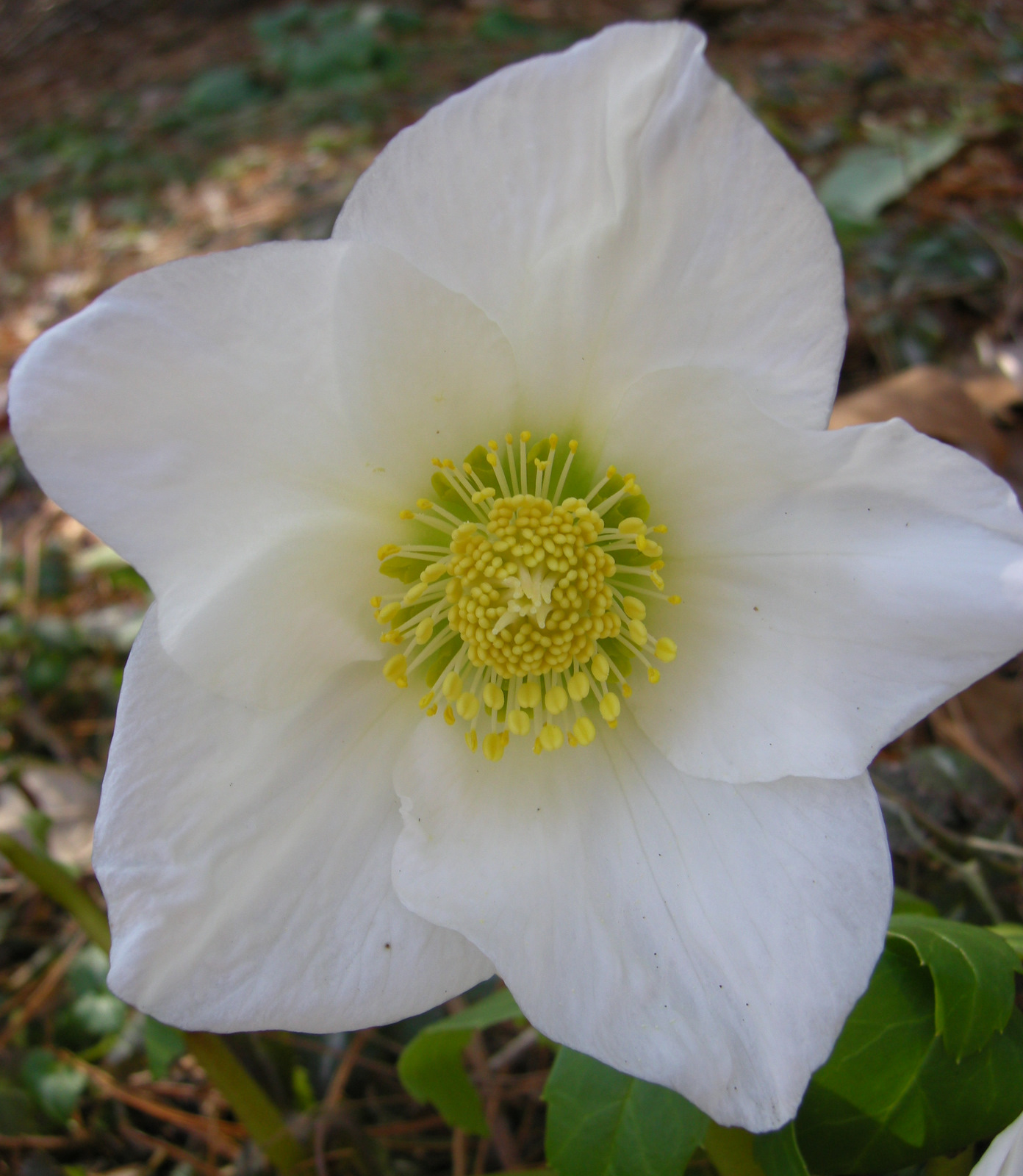
‘Josef Lemper’ and ‘Jacob’ Christmas roses are also stars in my November garden, producing pure white 3 to 4″ wide flowers set off by smooth evergreen leaves.  Fall is their season, and they produce copious amounts of flowers to cheer up dreary November days.  For more information on fall-blooming hellebores, click here.

Fall-blooming camellia ‘Winter’s Joy’ produces its first two flowers but look at all the buds to come.

The last photo is a teaser because of course fall-blooming camellias play a huge part in my November garden.  As with the other plants profiled, they are not just hanging on into November but instead come into their own then.  Look for an upcoming post featuring my camellias and my recent visit to the garden of a customer who also loves camellias.

All these plants (except the single flower of ‘Josef Lemper’ Christmas rose) are pictured blooming in my garden right now so I am linking to Garden Blogger’s Bloom Day (“GBBD”) hosted by May Dreams Gardens where gardeners from all over the world publish photos of what’s blooming in their gardens.

Carolyn


Nursery Happenings:  Carolyn’s Shade Gardens is done for the fall.  Thanks for a great year.  See you in spring 2013.

If you are within visiting distance and would like to receive catalogues and information about customer events, please send your full name and phone number to carolynsshadegardens@verizon.net.  Subscribing to my blog does not sign you up to receive this information.

Facebook:  Carolyn’s Shade Gardens has a Facebook page where I post single photos, garden tips, and other information that doesn’t fit into a blog post.  You can look at my Facebook page here or click the Like button on my right sidebar here.

Notes: Every word that appears in orange on my blog is a link that you can click for more information.  If you want to return to my blog’s homepage to access the sidebar information (catalogues, previous articles, etc.) or to subscribe to my blog, just click here.
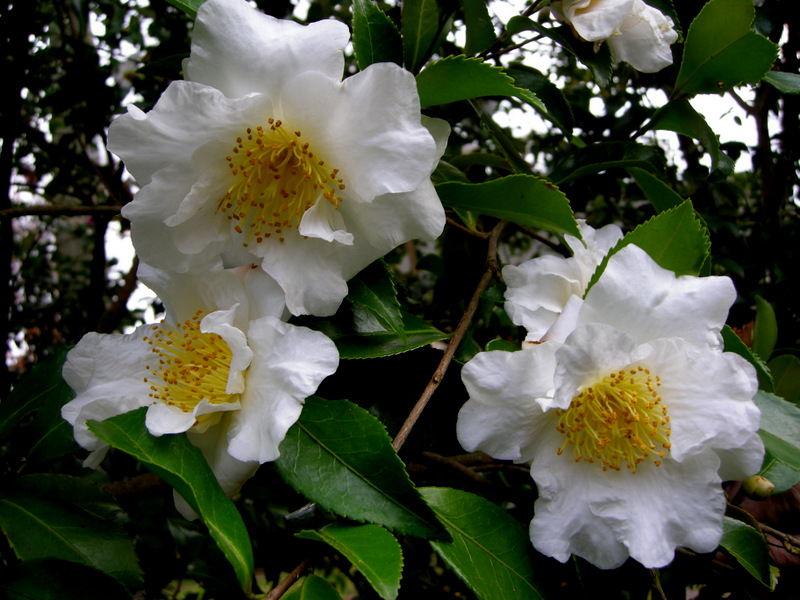
 

Fall-blooming Hardy Cyclamen

Posted in bulbs for shade, evergreen, Fall, Fall Color, groundcover, Shade Gardening, Shade Perennials, winter interest with tags , , , , on October 17, 2012 by Carolyn @ Carolyns Shade Gardens

Carolyn’s Shade Gardens is a retail nursery located in Bryn Mawr, PA, specializing in showy, colorful, and unusual plants for shade.  The only plants that we ship are snowdrops and miniature hostas.  For catalogues and announcements of events, please send your full name, location, and phone number (for back up use only) to carolyn@carolynsshadegardens.com.  Click here to get to the home page of our website for catalogues and information about our nursery and to subscribe to our blog.

Fall-blooming hardy cyclamen, C. hederifolium,  used as a groundcover under Hosta ‘Blue Angel’ 11/13/10.

My last post on hardy begonias sparked such interest and comments that I thought I would profile another unusual star performer for fall.  Like the begonia, I learned about hardy cyclamen at a course I took at Longwood Gardens in Kennett Square, PA, this one on bulbs in 1995.   And just like the begonia, I couldn’t believe that there was a plant that looked like my florist cyclamen house plant but grew outside and came back every year.  I talked about hardy cyclamen in my post on More Flowering Wintergreen Groundcovers for Shade, but I want to profile it in more detail here and include more photos.

Fall-blooming hardy cyclamen

There are several species of hardy cyclamen, but the two that are usually available are fall-blooming Cyclamen hederifolium and spring-blooming Cyclamen coum.  I have them both and love them, but if you are just starting out, the fall-blooming variety is much easier to grow.  Cyclamen coum requires the kind of excellent drainage rarely found in mid-Atlantic gardens.  I grow mine most successfully in my rock garden and also less abundantly between tree roots.

Hardy cyclamen begins to bloom in the fall before its leaves re-emerge from summer dormancy.

The life cycle of hardy cyclamen is unusual.  I guess you could say it begins in September when dozens of small pink flowers begin to bloom before the leaves emerge.  Each flower is on a separate 4 ” stem and looks just like a miniature florist cyclamen flower with gorgeous reflexed petals.  The flowers continue to be produced abundantly in succession through out the months of September and October and sometimes for parts of August and November too.  They are said to be fragrant, but I have never noticed a scent.

I would grow hardy cyclamen just for the flowers, but the leaves are spectacular.  They emerge slowly as the flowers are blooming in late September and take several weeks to reach their full size.  “Variable” is an understatement to describe their wonderful shapes, patterns, and colors.  They can be round to lance-shaped, lobed or entire, serrated or smooth edged, dark green to silver.  And the patterns on the leaves are indescribable, I will just have to show you….


Now that you have seen how gorgeous the leaves are, you will be able to truly appreciate another of their wonderful qualities: they stay green and fresh all winter!  The photos above were taken in November but I could just as easily have captured their glory in March.  Instead of going dormant in the winter like most of our plants, hardy cyclamen goes dormant for a few months during the summer.

White hardy cyclamen, C. hederifolium ‘Album’

There is a lovely white cultivar of fall-blooming hardy cyclamen called ‘Album’.  Some of mine have pure white flowers and others have white with a pink blotch.  It is just as hardy as the parent species and seeds around my garden readily.

Hardy cyclamen growing between roots at the base of  tree.

Hardy cyclamen is native to western Turkey, eastern Europe, including Albania, Bulgaria, and the Balkans, and southern Europe, including France, Italy, and Greece.  It is  a woodland plant that requires good drainage and shade.  In fact it thrives on summer drought in dry shade.  Although it likes to grow between tree roots and rocks, I have success with it in any shaded eastern facing, dry location.  As you can see from the photo below, my plants seed prolifically and eventually fill in to make a solid mat of groundcover.

Seedlings emerging in a new location across from an established patch with no help from me.  I have a feeling that ants move the seeds around.

Hardy cyclamen grows from a corm, which reportedly can reach the size of a dinner plate when old.  There are growing points all over the top of the corm.  If you try starting the plant this way, plant the corms with no more than 1″ of soil on top plus a very light mulch of leaf litter.  I have never done this because I have read many times that dried corms do not establish well and are often collected from the wild.  I started all my patches from established potted plants and that is how I sell hardy cyclamen at my nursery.  Look for it in my 2013 Snowdrop Catalogue.

The top of corms (about 2 1/2″ wide) of hardy cyclamen with the leaves starting to emerge.  The corms are spherical when younger.

The bottom of the corms—this side down.

The hardiness zone information for hardy cyclamen is inconsistent.  Some sources say USDA zones 7 to 9.  The Missouri Botanical Garden plant finder lists it for zones 5 to 9, while other sources say it grows successfully in upstate NY in zone 4.  You will just have to try it.  For all my UK readers, hardy cyclamen received an Award of Garden Merit from the Royal Horticultural Society.

Carolyn

P.S.  When I pushed the Publish button, I found out that this is my hundredth post—kind of exciting!!!

Nursery Happenings:  Carolyn’s Shade Gardens is done for the fall.  Thanks for a great year.  See you in spring 2013.

If you are within visiting distance and would like to receive catalogues and information about customer events, please send your full name and phone number to carolynsshadegardens@verizon.net.  Subscribing to my blog does not sign you up to receive this information.

Facebook:  Carolyn’s Shade Gardens has a Facebook page where I post single photos, garden tips, and other information that doesn’t fit into a blog post.  You can look at my Facebook page here or click the Like button on my right sidebar here.

Notes: Every word that appears in orange on my blog is a link that you can click for more information.  If you want to return to my blog’s homepage to access the sidebar information (catalogues, previous articles, etc.) or to subscribe to my blog, just click here.


Woody Plants for Shade Part 6

Posted in Camellias, evergreen, Shade Gardening, Shade Shrubs, winter interest with tags , , , , , , , , , , , , , , , , , , , , on September 28, 2012 by Carolyn @ Carolyns Shade Gardens

Carolyn’s Shade Gardens is a retail nursery located in Bryn Mawr, PA, specializing in showy, colorful, and unusual plants for shade.  The only plants that we ship are snowdrops and miniature hostas.  For catalogues and announcements of events, please send your full name, location, and phone number (for back up use only) to carolyn@carolynsshadegardens.com.  Click here to get to the home page of our website for catalogues and information about our nursery and to subscribe to our blog.

‘Early Amethyst’ beautyberry, Callicarpa dichotoma, is available in the current offer but was profiled in a previous woody plant post so I am not describing it here.  However, it is a favorite for fall interest and I wanted to include a photo.  For a full write up of this plant,  go to Woody Plants for Shade Part 3.

My nursery, Carolyn’s Shade Gardens, specializes in perennials for shade with an emphasis on hellebores, unusual bulbs especially snowdrops, hostas particularly miniature hostas, native plants, and ferns.  However, a satisfying shade garden does not consist of just perennials but includes trees, shrubs, and vines.

‘Winter’s Joy’ fall-blooming hardy camellia is another repeat, see this post for details.  I planted one myself last fall, and I would like to add to my previous write up that this camellia has more buds and flowers than any other camellia in my garden.  In 2011, it produced the beautiful flowers pictured above through out the entire winter.  Right now my plant is poised to do it again with hundreds of buds waiting to open.

Despite the need, woody plants for shade are difficult to find in local nurseries.  To fill this gap for my customers, three times a year, I offer woody plants for pre-order.  The plants chosen for the offer are the result of hours of painstaking selection in the shade houses of wholesale nurseries to find the healthiest, most desirable woodies available.


‘Winter’s Snowman’ fall-blooming hardy camellia is another favorite offered previously, see this post for details.  I have written three articles about fall-blooming hardy camellias in general.  If you are interested in finding out more about them, start here Fall-blooming Hardy Camellias Part 3, and you will find links to the first two installments.

 It is now time for my fall 2012 woody offer.  If you are a customer, you should already have gotten an email with all the details.  Blog readers can look at the catalogue on line by clicking here.  My nursery is on site retail sales only.  The only plants I ship are snowdrops in February and miniature hostas later in the season.  However, I hope out-of-town readers will get some good ideas for woody shade plants to look for at their local independent nursery.

The previous three photos are of another repeat: paper bush, Edgeworthia chrysantha, for details click here.  My plants have thrived through the last two hot and dry summers with pristine tropical looking leaves, gorgeous fall-forming buds, and highly fragrant late winter-blooming flowers.  This is truly a shrub with 365 days of interest.

So much for the preliminaries and repeat offerings, let’s get to the new plants.  There are six: three from my favorite group of shrubs, hydrangeas, and three evergreens for winter interest (the camellias are evergreen too).  Here are the details.

Native oakleaf hydrangea, H. quercifolia

The fall color of oakleaf hydrangea.

Our native oakleaf hydrangea, H. quercifolia, is the best all round shrub for shade—everyone should have at least one!  Huge, long-lasting, upright pyramids of white flowers bloom from May through July. It has bold-textured leaves with heart-stopping burgundy-red fall color, and cinnamon-colored exfoliating bark—a true four season plant. 

The white flowers of ‘Amethyst’ oakleaf hydrangea age to a striking red that does not fade when dried.  Great for flower arranging.

I am offering ‘Amethyst’ native oakleaf hydrangea, a new cultivar selected because  its initially white flowers turn to a striking red color and stay that way.  It grows to 5 to 6’ tall and 5 to 6’ wide in sun to full shade.  It is hardy in USDA hardiness zones 5 to 9, walnut and drought tolerant, and native to the southeastern US.


‘Blue Bird’ sawtooth hydrangea, H. serrata


‘Blue Bird’ sawtooth hydrangea produces lovely blue lacecap flowers starting in June for an extended period.  Acid soil results in the best blue tint.  I also grow it for its beautiful clean bright green leaves through out the season, which are enhanced by red highlights in the fall.  It is very tolerant of cold temperatures avoiding bud and twig dieback in harder winters.  ‘Blue Bird’ reaches 4′ tall and 4′ wide in part to dappled shade and grows in zones 5 to 9.  Sawtooth hydrangea is native to Korea and Japan.

This photo shows ‘Endless Summer’ bigleaf hydrangea, H. macrophylla, right now.  Yes, it is loaded with fresh flowers and buds and has been blooming since late spring.

‘Endless Summer’ bigleaf hydrangea sports very large pink or blue mophead flowers from late spring through summer and well into fall—it’s in full bloom right now as you can see from the photo above.  It represents a recent breakthrough in hydrangeas because it blooms on old and new wood giving it an extended bloom season.  This also means that if the buds formed on old wood the previous season are frozen over the winter, buds will form on new wood as the season progresses.  ‘Endless Summer’s’ large, medium green leaves provide a pleasing backdrop for the flowers.  It grows in zones 4 to 9 and reaches 4′ tall and 4′ wide in part shade.  It is recommended for full sun only with supplemental watering.  Bigleaf hydrangea is native to Japan.

‘Gold Dust’ Japanese aucuba, A. japonica, is an elegant specimen for deep shade.

A close up of the unusual leaves of ‘Gold Dust’ Japanese aucuba—glorious in winter.

‘Gold Dust’ Japanese aucuba’s very shiny, broadleaf evergreen leaves sprinkled with yellow spots make it one of the most vibrant and colorful plants to thrive in dense shade.  I have grown it successfully for many years in several areas of my garden that receive no direct sunlight.  It is very vigorous, disease free, and easy to grow as long as you don’t plant it in the sun.  ‘Gold Dust’ grows to 6 to 8′ tall and 4 to 6′ wide in part to dense full shade and is hardy in zones 7 to 9.  Aucuba is native to Japan, and the variegated form was introduced to the west in 1783.

The fall flowers of ‘Rose Creek’ glossy abelia, A. x grandiflora.

‘Rose Creek’ is a compact form of glossy abelia, great for smaller spaces and smaller gardens.

‘Rose Creek’ is a dense and compact glossy abelia that covers itself in a multitude of wonderfully fragrant, showy white flowers continuously from May through September.   When the flower petals drop off, the rosy pink sepals (bud enclosures) remain and are very eye-catching.  The beautiful, glossy evergreen foliage has pink highlights and turns purple in the fall, providing excellent winter interest.  The stems are  crimson red.  ‘Rose Creek’ grows to 2 to 3′ tall and 3 to 4′ wide in part shade or full sun and is hardy in zones 5 to 9.  It is deer resistant and attracts butterflies and hummingbirds.  Glossy abelia is a cross between two Chinese abelia species.

The incredibly shiny leaves of Prague viburnum, V. x pragense, sparkle in the winter.

This photo of the flower of Prague viburnum was kindly lent to me by Monrovia, for their full plant profile, click here.

Prague viburnum’s pink buds open into large, bouquet-like, creamy white flowers in May followed by glossy, persistent black fruit.  Just as ornamental are its very showy, lustrous, dark evergreen leaves.  Prague viburnum reaches 8′ tall and 6′ wide in full sun to part shade and is hardy in zones 5 to 8.  You can grow it in full shade and the leaves will be gorgeous, but it won’t flower very well.  It is fast growing and deer resistant.  It is a cross between leatherleaf and service viburnums, which are both from China.

I hope you have a space in your garden for at least one of these wonderful shrubs for shade.  For more ideas, check out Woody Plants for Shade Parts 1 to 5 using the links provided below:

Part 1,   Part 2,   Part 3,   Part 4,   Part 5

Carolyn

Nursery Happenings:  Shrub orders are due by noon on Wednesday, October 3.  For the catalogue, click here.  We are offering two sessions of a seminar on low maintenance gardening for fall on Wednesday, October 3, and Friday, October 5, from 10 to 11:30 am.  For the details, click here.  Look for a special offer of double hellebores next week.

If you are within visiting distance and would like to receive catalogues and information about customer events, please send your full name and phone number to carolynsshadegardens@verizon.net.  Subscribing to my blog does not sign you up to receive this information.

Facebook:  Carolyn’s Shade Gardens has a Facebook page where I post single photos, garden tips, and other information that doesn’t fit into a blog post.  You can look at my Facebook page here or click the Like button on my right sidebar here.

Notes: Every word that appears in orange on my blog is a link that you can click for more information.  If you want to return to my blog’s homepage to access the sidebar information (catalogues, previous articles, etc.) or to subscribe to my blog, just click here.


Woody Plants for Shade Part 4

Posted in Camellias, evergreen, flower show, Shade Shrubs, shade vines, winter interest with tags , , , , , , , , , , , , , , , , , , , on March 23, 2012 by Carolyn @ Carolyns Shade Gardens

Carolyn’s Shade Gardens is a retail nursery located in Bryn Mawr, PA, specializing in showy, colorful, and unusual plants for shade.  The only plants that we ship are snowdrops within the US.  For catalogues and announcements of local events, please send your full name, mailing address, and cell number to carolyn@carolynsshadegardens.com and indicate whether you are interested in snowdrops, hellebores, and/or hostas.  Click here to get to the home page of our website for catalogues and information about our nursery and to subscribe to our blog.

Spring-blooming camellia ‘Pink Icicle’

For years, my customers have been asking for woody plants for shade—trees, shrubs, and vines—in addition to the perennials I sell.  I now have a wholesale woody plant nursery with the quality and selection I needed to be able to offer them at Carolyn’s Shade Gardens.   I have just sent out my first 2012 list.  To view the catalogue, click here.   However, I thought my blog readers who are not customers might be interested in learning about the plants that I would recommend they add to their shade gardens.  And doing an article allows me to add more information and explain why I chose the plants I included so customers might be interested also.

Spring-blooming camellia ‘April Tryst’

The offer focuses on winter- and early spring-blooming plants, evergreens, and fragrance.  Included are three camellias, six other shrubs, and one vine.  Four of the plants I have chosen are evergreen, and seven bloom in the off season: late winter or early spring.   This reflects  my desire to see gardeners expand their gardens’ season beyond spring and summer to become a year round paradise for them to enjoy.  With that introduction, here are the plants I am highlighting:

The buds are just starting to expand on ‘April Snow’ camellia.


I included three hardy camellias for their spectacular early season flowers and elegant evergreen leaves. These camellias, along with many other cultivars, have been bred to be fully cold hardy in the mid-Atlantic U.S, zones 6B and 7A.  Nevertheless all camellias benefit from being sited to shelter them from winter wind, which comes from the northwest.  They also maintain their lustrous dark green leaves in better shape if they are sheltered from winter sun.  For more information on cold hardy camellias for our area, click here.

‘April Snow’ spring-blooming camellia

Camellia x ‘April Snow’ is a spring-blooming hardy camellia with gorgeous plump buds opening to large pure white rose-form double flowers in April and May.  It has large glossy dark evergreen leaves.  It is 5’ tall and 4′ wide, growing in part to full shade.  It is part of the April series of exceptionally hardy camellias developed by Dr. Clifford Parks of North Carolina.


‘April Tryst’

‘April Tryst’ is very similar to ‘April Snow’, reaching 5′ tall and 4′ wide at maturity and sporting lustrous dark evergreen leaves in part to full shade  However, it blooms earlier, in March and April, and has knock-your-socks-off red anemone form flowers.  It is also part of the April series of exceptionally cold hardy camellias.  ‘April Tryst’ was starting to bloom in Charles Cresson’s garden during our recent Winter Interest Seminars, and Charles highly recommends it.

‘Pink Icicle’

Spring-blooming camellia ‘Pink Icicle’ has very large, peony form, shell pink flowers that glow when displayed against the glossy evergreen leaves.  It blooms in March and April in part to full shade.  It has a compact and upright growth habit and was selected by Dr. William Ackerman at the U.S. National Arboretum.

Japanese mahonia, Mahonia japonica

amazingly fragrant flowers of Japanese mahonia

The final evergreen plant is Japanese mahonia, Mahonia japonica.  Aside from being evergreen, this was the most fragrant plant in the Cresson garden during the Winter Interest Seminars, and there was plenty of competition.  In February and March, extremely fragrant yellow flowers on 8” racemes cover Japanese mahonia.  The evergreen leaves are a dark glossy green with a finer texture than other mahonias, and they rarely get damaged in winter. The  glaucous blue fruit in early summer attracts birds.  Japanese mahonia grows to 6′ tall and 3′ wide in moist, well-drained soil.  It is also deer resistant.  For more information, click here.

‘Jet Trail’ flowering quince

There are five deciduous shrubs in the offer, including two flowering quinces.  Now I love the early flowers, beautiful colors, and deer resistance of quince, but it is difficult to fit a 10′ plus tall and wide shrub covered with lethal thorns into the garden.  That’s why I was excited when new low and compact quinces that won’t dominate your garden were introduced.  They are not marketed as thornless, but I can’t find any thorns on mine.  As an added benefit, the leaves remain healthy all summer.

‘Texas Scarlet’ flowering quince

‘Jet Trail’ and ‘Texas Scarlet’ flowering quince, Chaenomeles x superba, are identical plants other than their flower color, growing 3’ tall and 3’ wide in sun to part shade.  They produce multitudes of very showy white or coral red flowers in March, which are beautifully displayed by the elegant branching structure.  The  glossy dark green leaves stay ornamental through the season.  The  yellow fruit is wonderfully fragrant.  Both cultivars will grow well in clay soil and drought conditions.  For more information, click here

Spike winter hazel, Corylopsis spicata

Spike winter hazel, Corylopsis spicata, is the elegant shrub with the unusual yellow flowers that everyone admires in my garden in early spring. Dangling panicles of very fragrant, lemon yellow flowers cover this graceful shrub in March and April before the foliage.  The bold-textured leaves emerge burgundy and age to a lovely blue-green.  Winter hazel grows to 8′ tall and 6′ wide in full sun to part shade.  It takes average garden soils and is deer resistant; for more information, click here.


The lovely dusty blue leaves of native ‘Blue Shadow’ fothergilla.


‘Blue Shadow’ has honey-scented bottlebrush flowers.  Photo courtesy of the Missouri Botanical Garden.

fall color of fothergilla

Native ‘Blue Shadow’ fothergilla, Fothergilla x intermedia, has stunning ornamental attributes three seasons a year.  In March and April, it is covered with honey-scented white bottlebrush flowers.  Its gorgeous dusty blue leaves provide an unusual color and texture for the shade garden.  In the fall, the foliage turns lovely shades of yellow, orange, and red.  ‘Blue Shadow’ grows to 4′ tall and 3′ wide in full sun to part shade.  It is native to the southeastern U.S., wet site tolerant, and deer resistant.  For more information, click here.

Snowball flowers of ‘Cayuga’ Koreanspice viburnum

‘Cayuga’ Koreanspice viburnum, Viburnum x ‘Cayuga’, is a cross between a smaller Koreanspice viburnum (V. carlesii) and the fragrant snowball viburnum (V. x carlcephalum) introduced by the U.S. National Arboretum.   It has the best attributes of both.  In April and May, striking pink buds open to abundant, fragrant, large white snowball flowers.  It has a compact habit with dark green leaves that change to orange-red in the fall.  It grows to 6′ tall by 5′ wide in full sun to part shade.  ‘Cayuga’ tolerates a wide range of soils and is deer resistant.  For more information, click here.

Climbing hydrangea, photo courtesy of the Missouri Botanical Garden.

The final plant in the offer is a vine.  Climbing hydrangea, Hydrangea anomala subsp. petiolaris, is really the best vine for shade with 365 days of ornamental value.  Its lustrous, dark green leaves are neat and attractive all season before turning a buttery yellow in the fall.  In June and July, fragrant 8” wide hydrangea-like white flowers layer over the leaves.  The exquisite exfoliating cinnamon bark provides winter interest.  Climbing hydrangea is self-attaching and reaches 30 to 50′ at maturity in part to full shade.  It is a Missouri Botanical Garden Plant of Merit.  For more information, click here.

I grow most of these plants in my gardens so I know you can’t go wrong by adding them to yours!  If you are a customer, see Nursery Happenings below for details on how to order these wonderful shade plants by noon on March 26.  If not, now you have some plants to ask for at your local independent nursery.  If you would like to read about the other woody plants I have recommended for shade, see Part 1, Part 2, and Part 3.

Carolyn

Notes: Every word that appears in orange on my blog is a link that you can click for more information.  If you want to return to my blog’s homepage to access the sidebar information (catalogues, previous articles, etc.) or to subscribe to my blog, just click here.

Species Hellebores for 2012

Posted in evergreen, hellebores, Shade Perennials, winter interest with tags , , , , , , , , , , , , on March 8, 2012 by Carolyn @ Carolyns Shade Gardens

Carolyn’s Shade Gardens is a retail nursery located in Bryn Mawr, PA, specializing in showy, colorful, and unusual plants for shade.  The only plants that we ship are snowdrops within the US.  For catalogues and announcements of local events, please send your full name, mailing address, and cell number to carolyn@carolynsshadegardens.com and indicate whether you are interested in snowdrops, hellebores, and/or hostas.  Click here to get to the home page of our website for catalogues and information about our nursery and to subscribe to our blog.

‘Josef Lemper’ Christmas rose, Helleborus niger, has very large flowers and blooms from November into May depending on the weather.

In my post New Hellebores for 2012, I profiled all the exciting new hybrid hellebores that I am offering this spring.  If you haven’t read it, there are some gorgeous photos.  Now I want to show you the species hellebores that are available at my nursery this year.  In a third post, I will describe what I call the “species crosses” that you can add to your garden this spring.


The Christmas rose ‘Jacob’ is loaded with flowers from November through late spring.

In The Sex Lives of Hellebores, I described the difference between hybrid hellebores, the subject of my February 2012 new hellebore post, and the roughly 15 types of species hellebores.  I sell most of the species by special order, but here I want to profile the five that I will be featuring this year.  My favorite is Christmas rose, Helleborus niger.  Despite its name, I used to have to wait until March to view its lovely pure white flowers.  With the introduction of the cultivars ‘Josef Lemper’ and ‘Jacob’, which reliably start blooming in November, you can now have Christmas roses blooming for Christmas.


Christmas rose flowers age to a lovely pink: ‘Jacob’ with fall-blooming camellia ‘Winter’s Joy’.


Christmas roses have many desirable attributes which I described at length in Christmas Rose: The Perfect Hellebore.  Their outward facing, pure white flowers are framed by lovely blue-green leaves that stay ornamental through winter.  They are deer resistant like hybrid hellebores but are smaller and have a more refined look than the hybrids.  For more information on ‘Jacob’ and ‘Josef Lemper’, see
Hellebores for Fall.

Double Christmas rose, Helleborus niger ‘Double Fantasy’

I am very excited to be able to offer ‘Double Fantasy’, a fully double Christmas rose developed through tissue culture by a nursery in Japan.  Before it was introduced in 2011, I had only seen one double (in Charles Cresson’s garden), and double Christmas roses were not available for sale.  Its flowers are magical.


Fragrant hellebore, Helleborus odorus

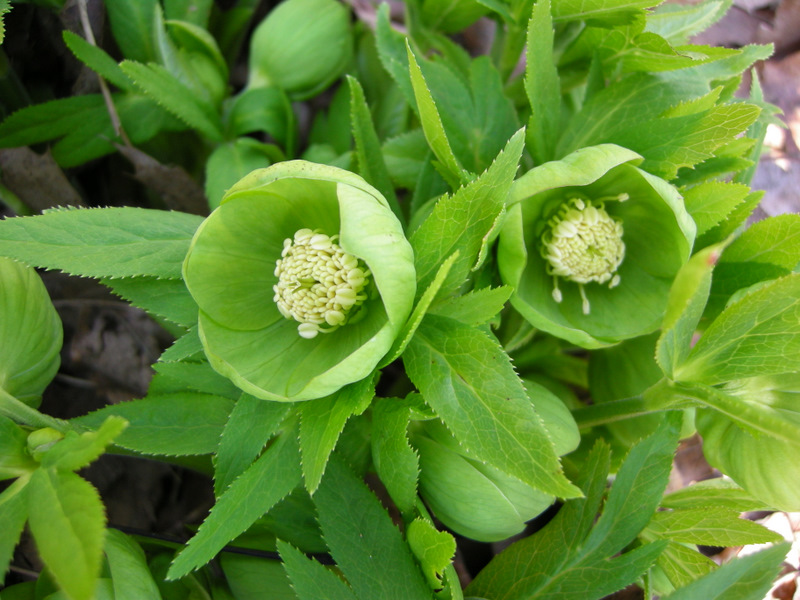
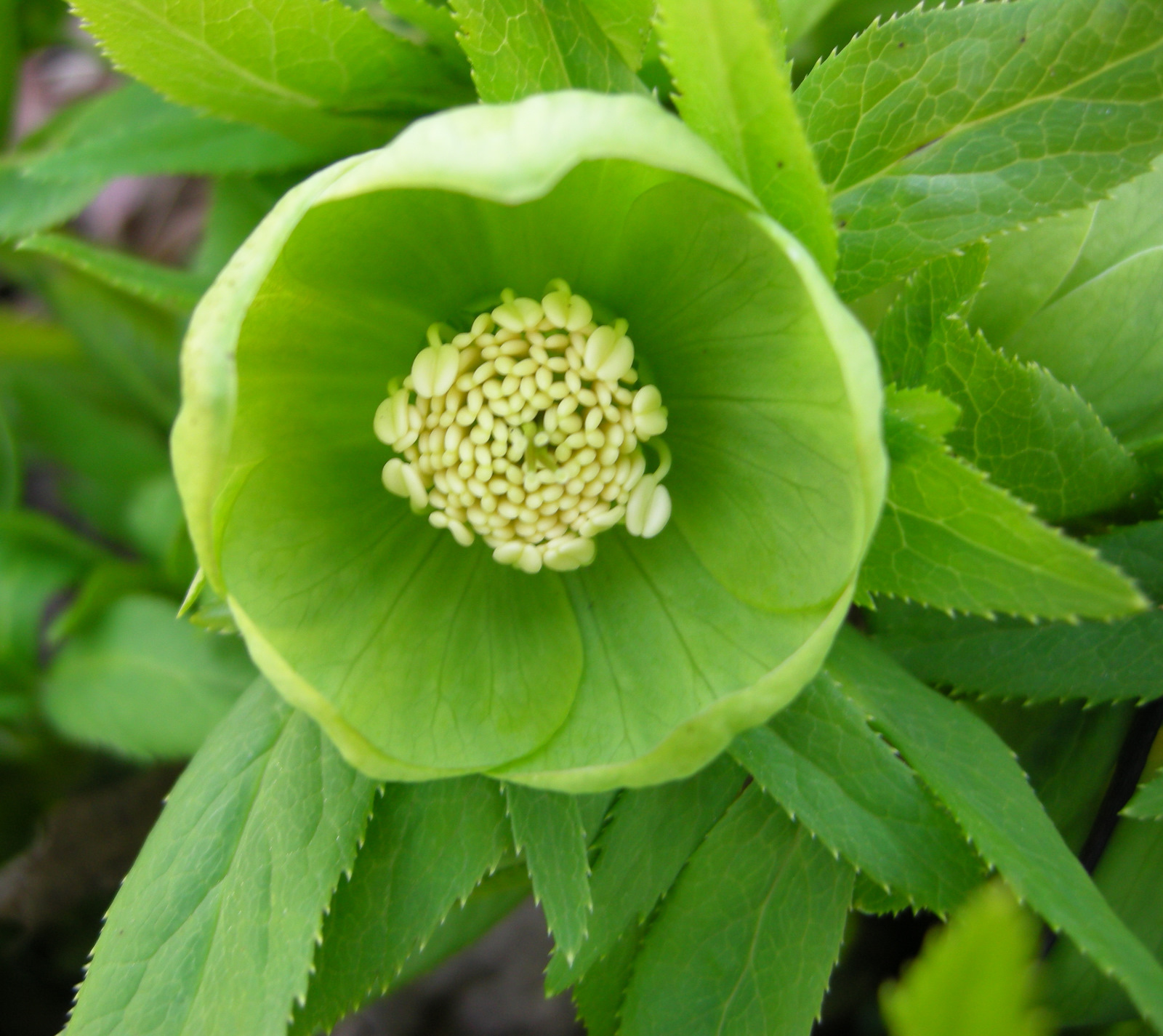
The next three species, H. odorus, H. purpurascens, and H. viridis, were all profiled in depth in The Sex Lives of Hellebores because they are all parents of the hybrid hellebores.  However, they are gardenworthy in their own right and have attributes the hybrids don’t have.  I am a big fan of green flowers, and fragrant hellebore, H. odorus, has striking yellow-green flowers with a delicious scent that is pervading my garden right now.  It looks especially nice when grown with dark purple hybrids.


flower of fragrant hellebore

Fragrant hellebore (right) with ‘Blue Lady’ hybrid hellebore


flower of Helleborus purpurascens

Helleborus purpurascens, which has no handy common name, is another one of my favorites.  The colors mixed in its flowers, blue-green and a silvery, smoky purple, have not been duplicated in any of the hybrid flowers.  I would also grow it just for its circular, filigreed leaves:


Helleborus purpurascens


outside of H. purpurascens flower

Green hellebore, H. viridis, has the purest green flowers of almost any plant I grow.  It is also shorter and more compact than the hybrid hellebores and the other species.  It too looks great with dark purple to black flowers, but my favorite combination features green hellebore with a drift of the true blue flowers of brunnera—heaven:


Green hellebore, H. viridis

flower of green hellebore

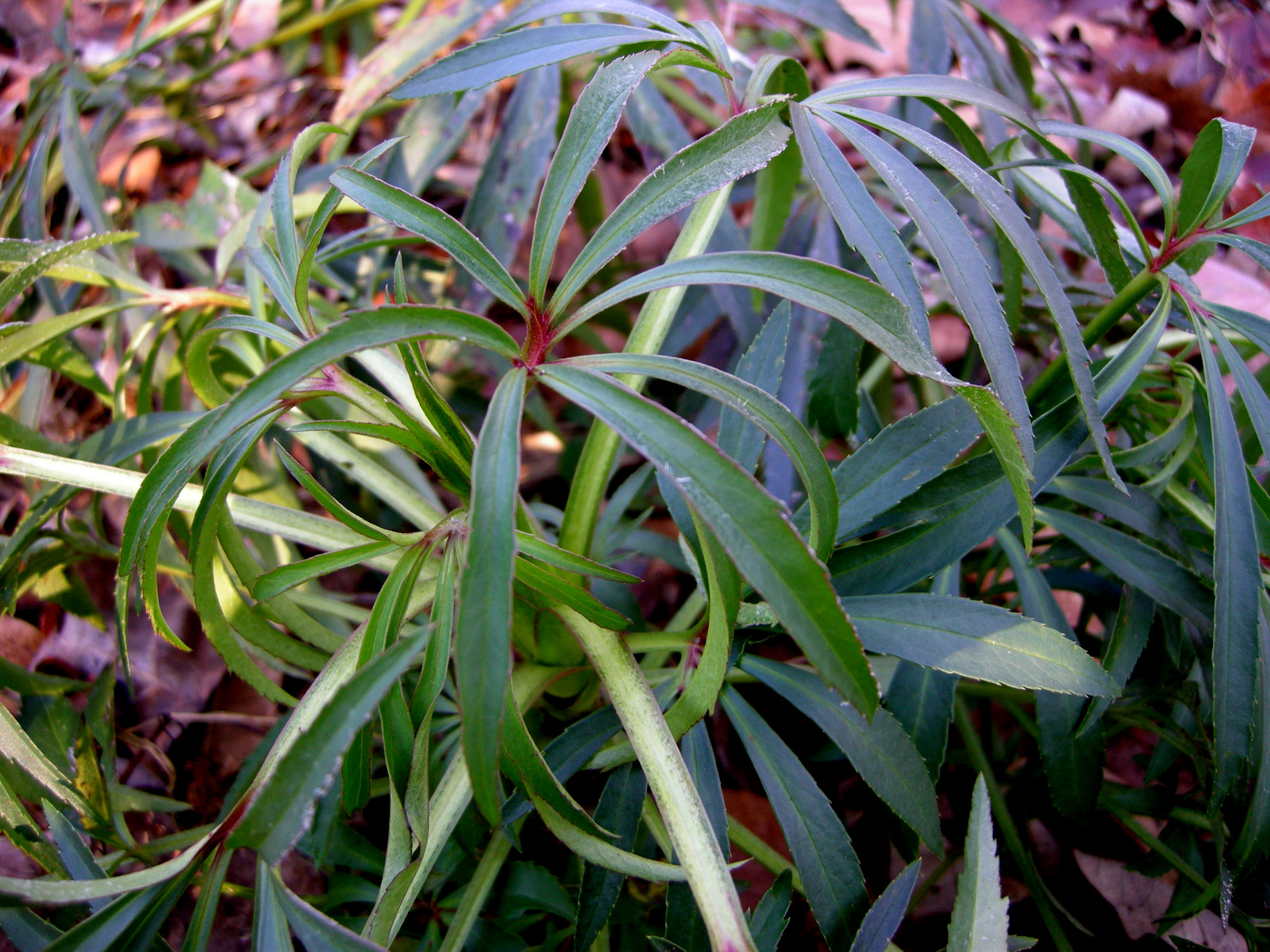
The final species that I will be offering this spring is bearsfoot hellebore, H. foetidus.  I profiled this plant in detail in Hellebores for Fall.  Bearsfoot has the most ornamental leaves of any hellebore, and they are truly wintergreen coming through ice and snow looking pristine.  Bearsfoot forms its lovely chartreuse buds in the fall.  The flowers open in winter and remain ornamental until it gets hot.  It is also taller than other hellebores, reaching two feet or more and giving it the stature of a small shrub:


Bearsfoot hellebore, H. foetidus


unusual, evergreen leaves of bearsfoot hellebore

When I started this post, I thought I would be able to fit the seven species above plus the five “species crosses” I will also be selling this spring.  You know me though: I get excited about hellebores.  By the time I included all the photos I wanted, the post was long enough.  Look for a third post with some exciting crosses, all with Christmas rose as a parent.

Carolyn

Notes: Every word that appears in orange on my blog is a link that you can click for more information.  If you want to return to my blog’s homepage to access the sidebar information (catalogues, previous articles, etc.) or to subscribe to my blog, just click here.

2012 Winter Interest Plants

Posted in bulbs for shade, Camellias, evergreen, garden to visit, hellebores, landscape design, Shade Perennials, Shade Shrubs, snowdrops, winter, winter interest with tags , , , , , , , , , , , , , , , , , on February 29, 2012 by Carolyn @ Carolyns Shade Gardens

Carolyn’s Shade Gardens is a retail nursery located in Bryn Mawr, PA, specializing in showy, colorful, and unusual plants for shade.  The only plants that we ship are snowdrops within the US.  For catalogues and announcements of local events, please send your full name, mailing address, and cell number to carolyn@carolynsshadegardens.com and indicate whether you are interested in snowdrops, hellebores, and/or hostas.  Click here to get to the home page of our website for catalogues and information about our nursery and to subscribe to our blog.

Camellia japonica ‘Berenice Boddy’ in full bloom in February in the Cresson garden.

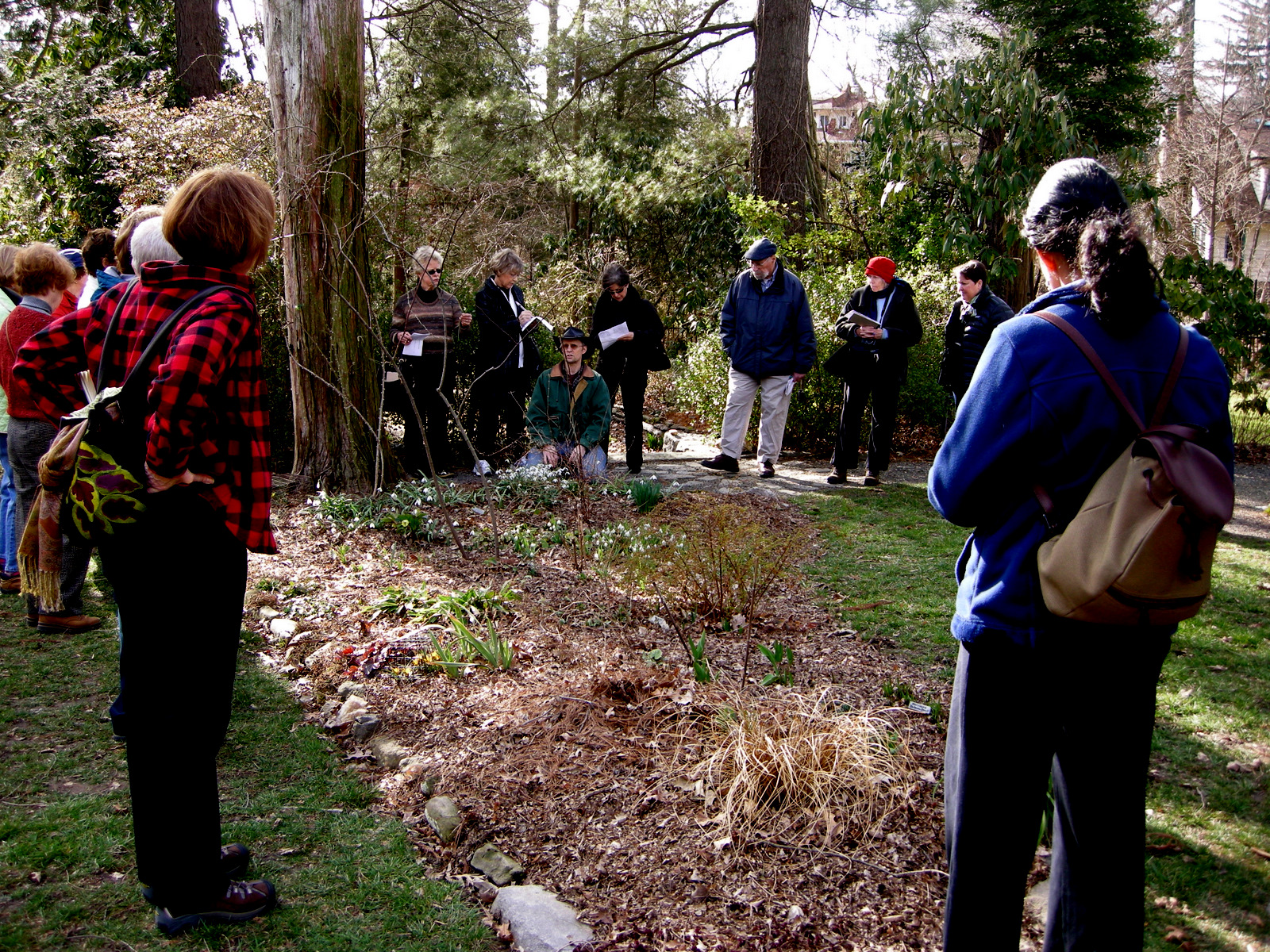
On Friday, February 24, and Monday, February 27, Charles Cresson presented the second annual Winter Interest Plant Seminars for my customers in his beautiful garden located in Swarthmore, Pennsylvania, US.  I did a post on the seminars last year (to read it click here) and thought I had covered the topic.  However, our very warm winter meant that many different plants were in bloom so I want to show you what we saw.


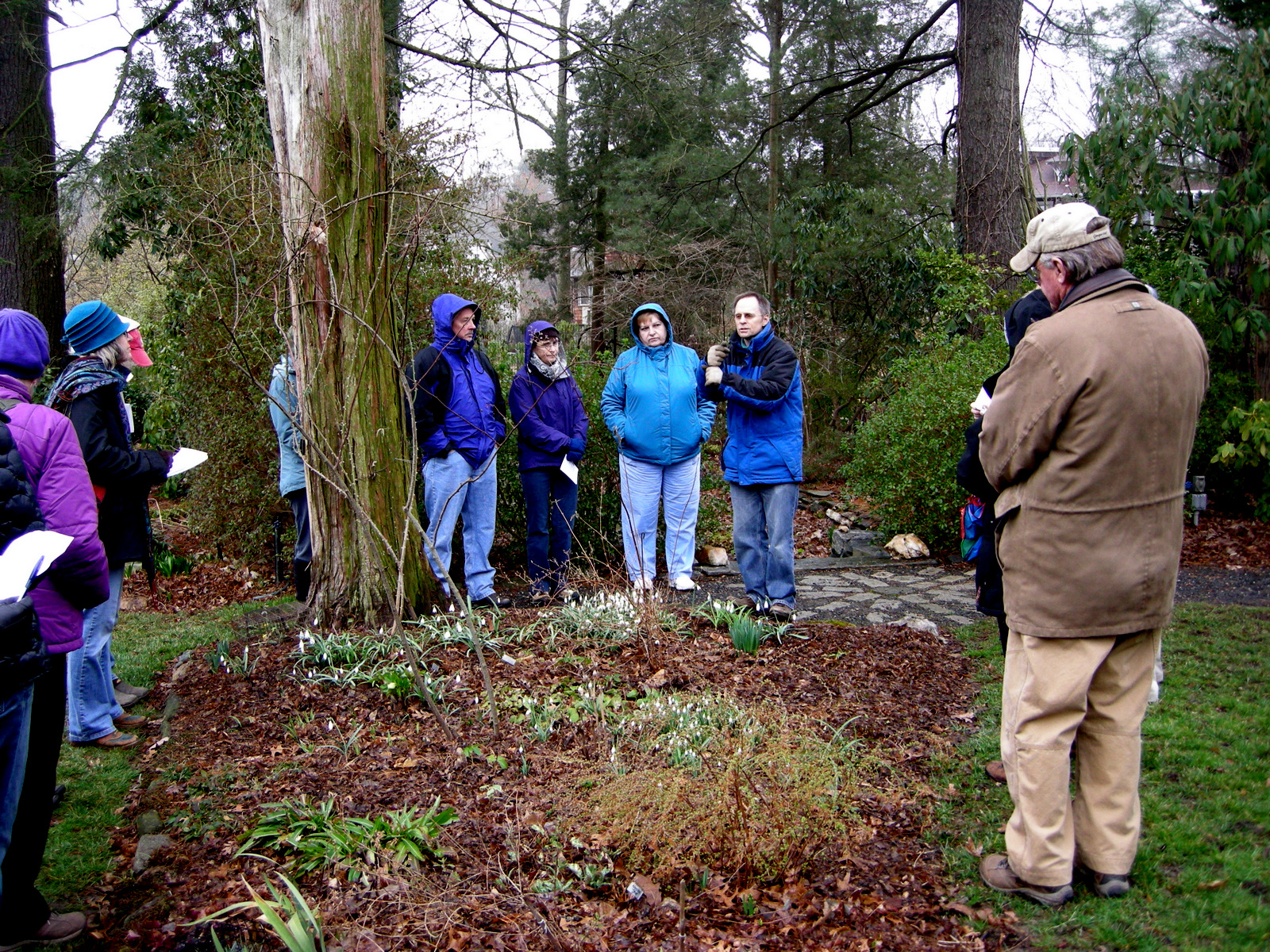
The weather was cold and rainy on Friday, but participants didn’t let it stop them from enjoying Charles’s presentation.

Monday was warm and sunny which allowed more time for dawdling in the garden.  The snowdrops were a big hit.

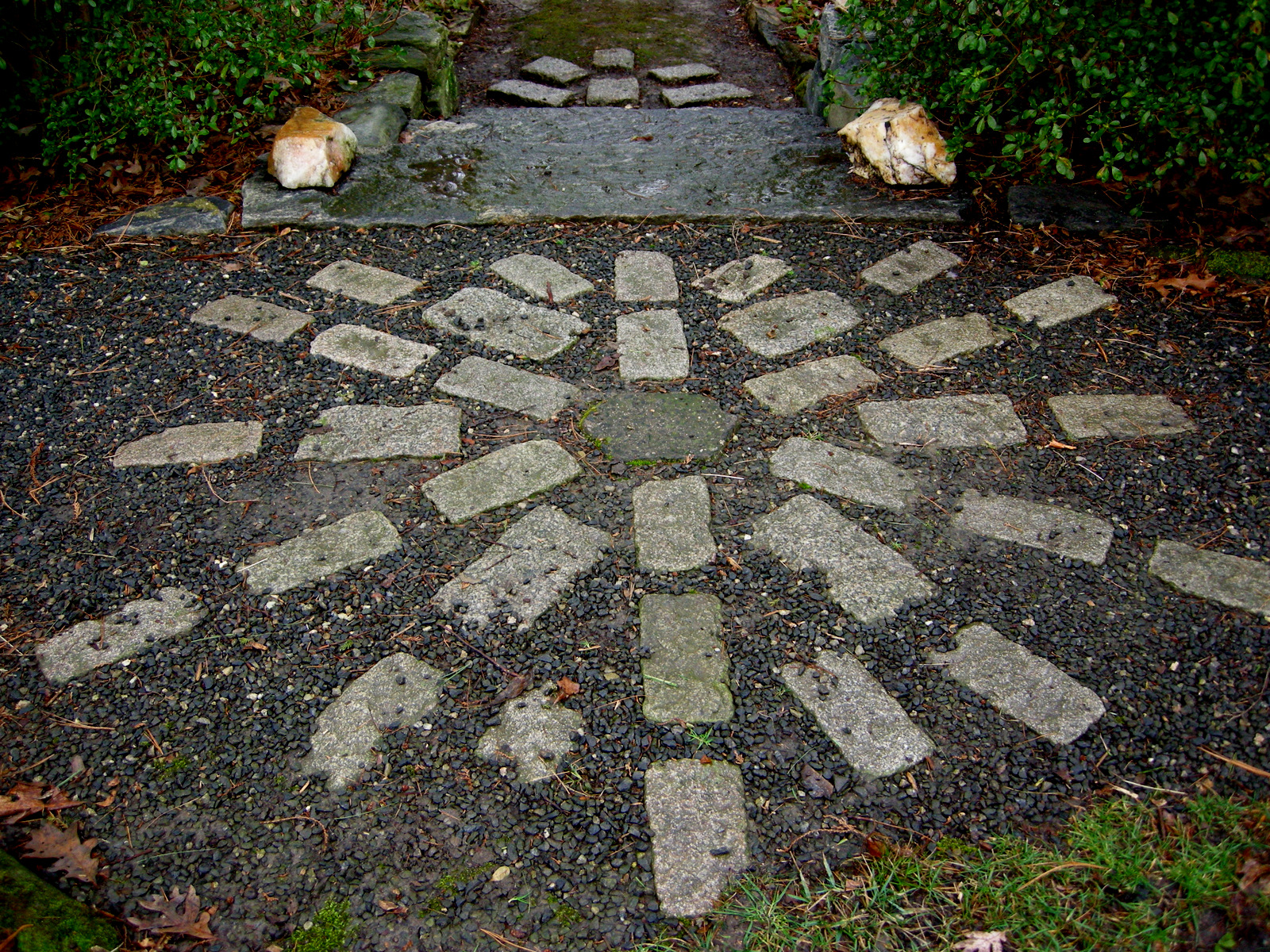
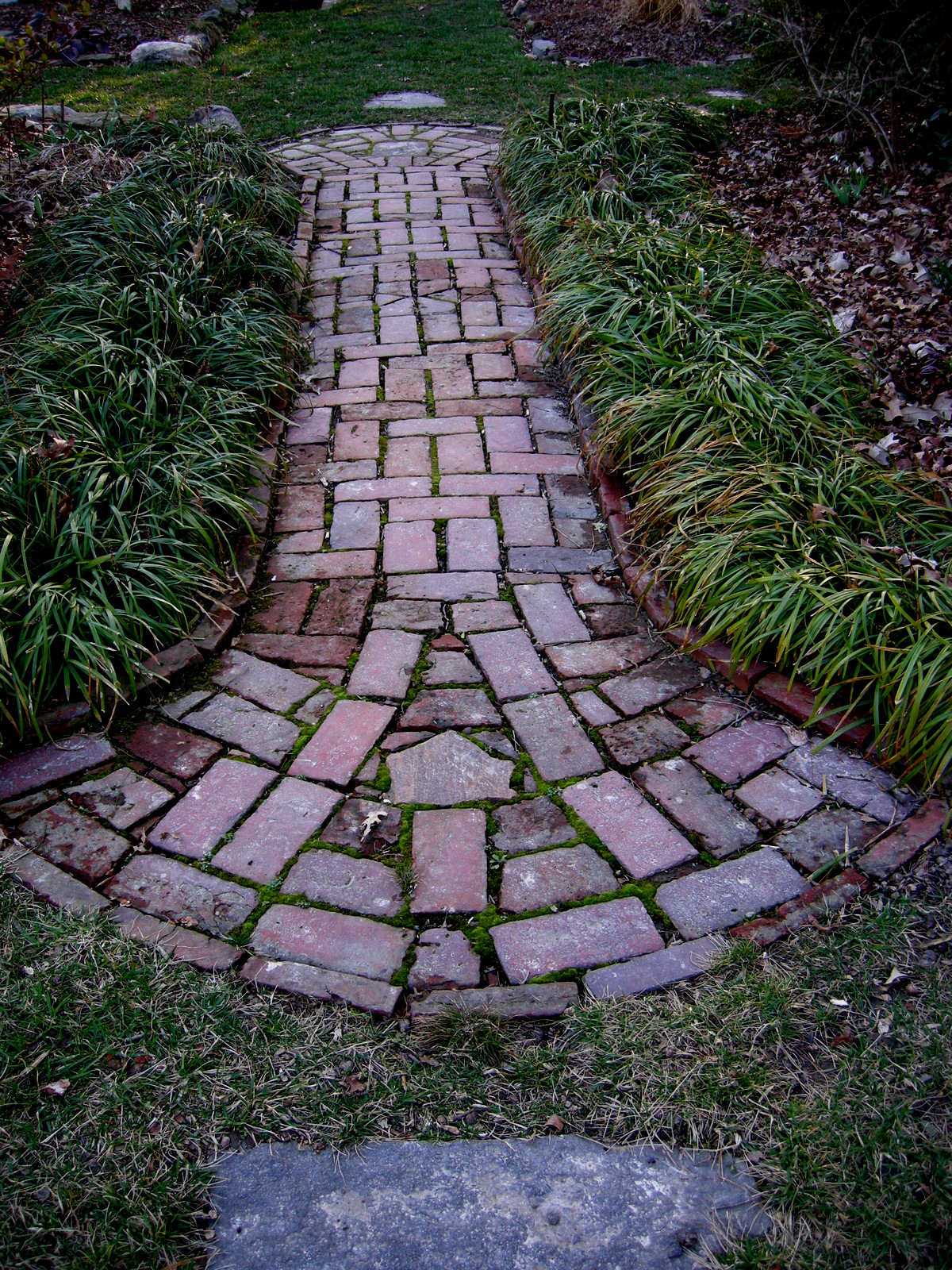
The attention to detail in Charles’s garden is amazing.  I thought I would show you some of the “hardscape” features, many of which Charles built himself:


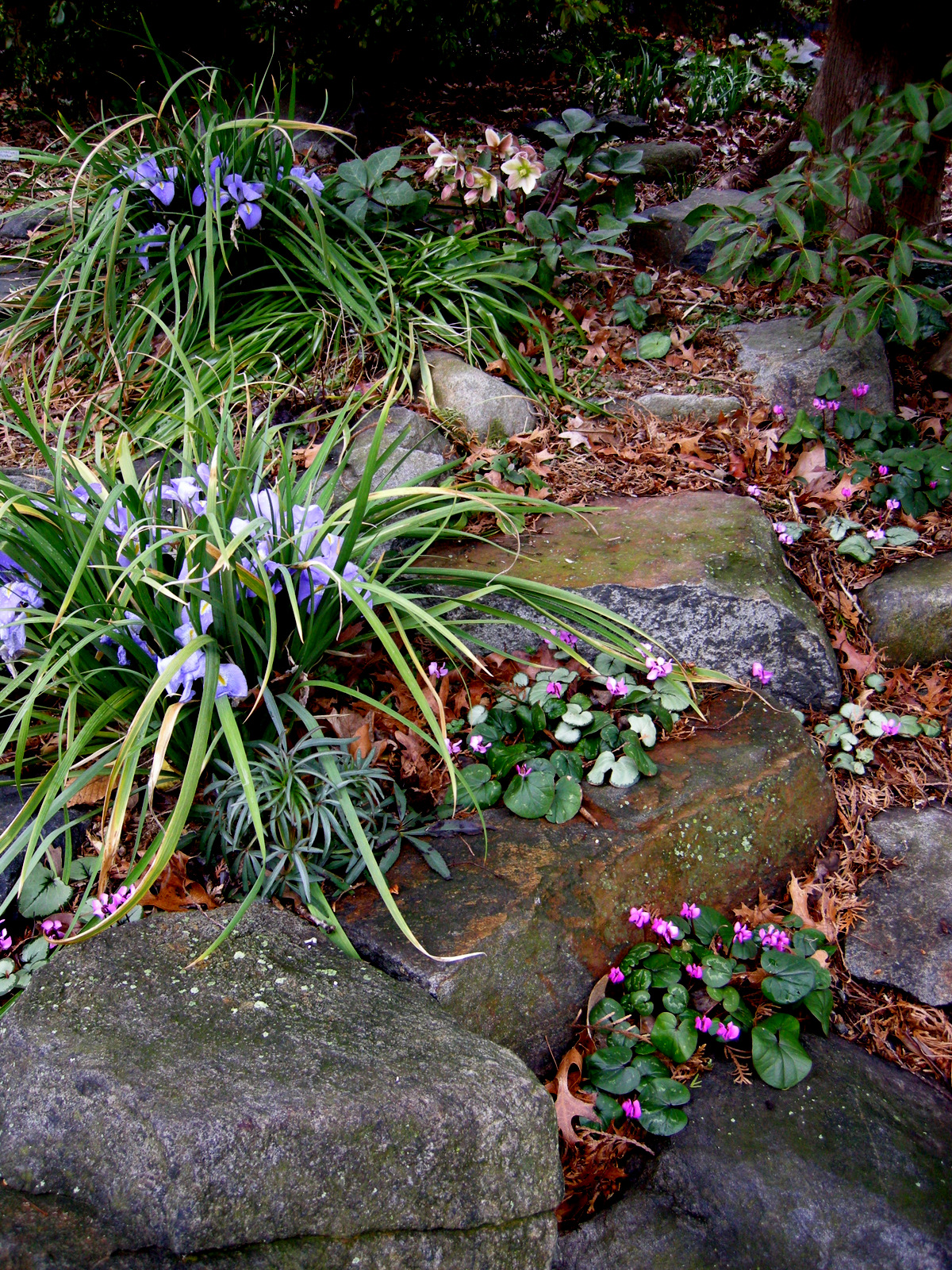
The rock garden with hellebores, Algerian iris, and spring-blooming hardy cyclamen.

Garden shed with the original green roof.

Winter jasmine, Jasminum nudiflorum, photo by seminar participant Lucretia Robbins.

Charles has a spectacular collection of winter-blooming shrubs, many of which are fragrant.  We were all surprised by which one was the most fragrant at that time of year:


Chinese holly, Ilex cornuta, retains its berries through the winter.


Sweetbox, Sarcococca hookeriana var. digyna ‘Purple Stem’, adds the additional feature of ornamental stems to sweetbox’s many desirable attributes.


Bodnant viburnum, V. bodnantense ‘Dawn’, is very fragrant.


Flower of Bodnant viburnum


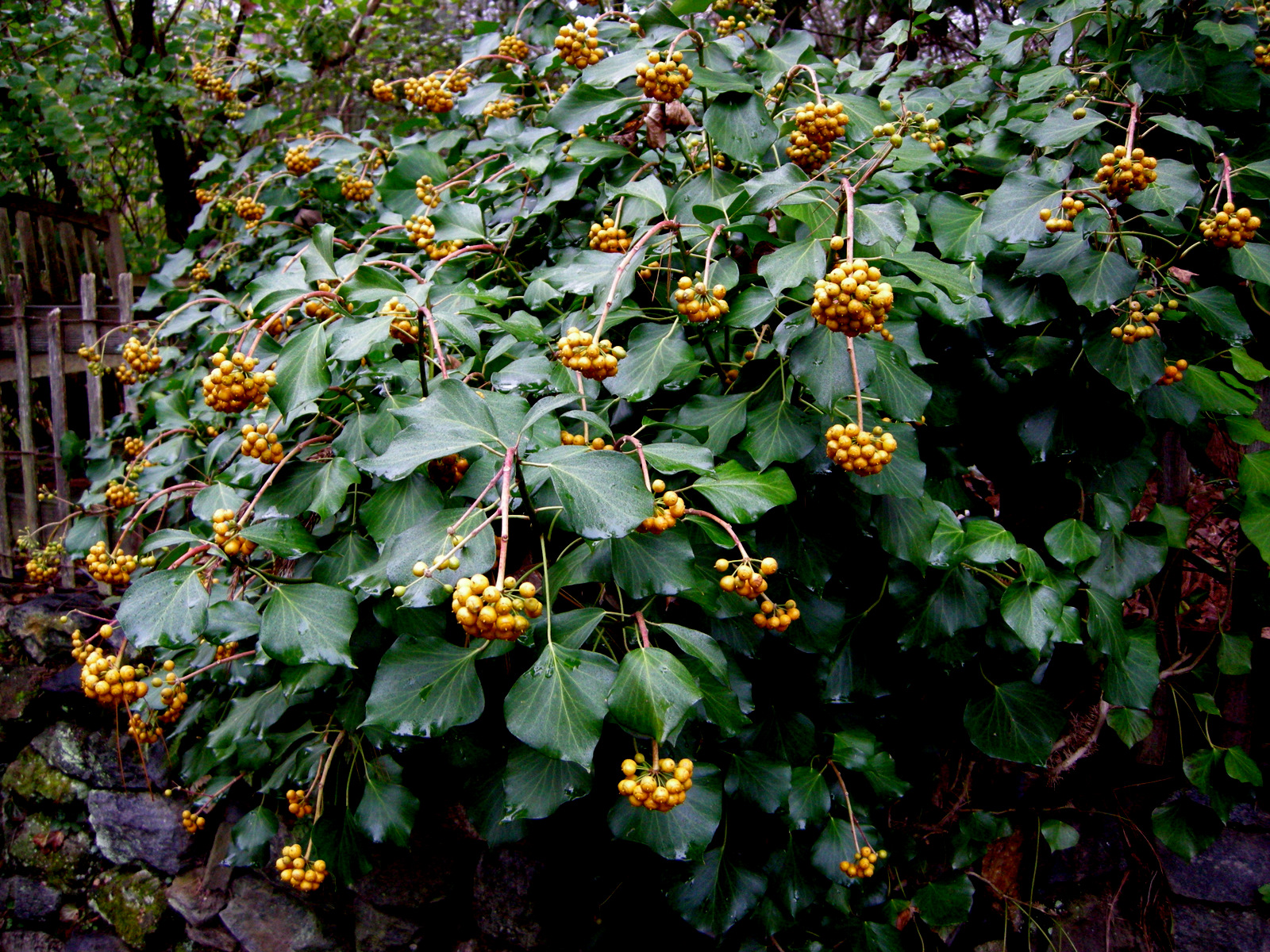
The adult form of English ivy, Hedera helix ‘Poetica Arborea’, produces beautiful berries but is also considered very invasive.


Camellia x ‘April Tryst’ is blooming early.


I like the male flowers of Japanese skimmia, S. japonica, as much as the berries on the female plants.


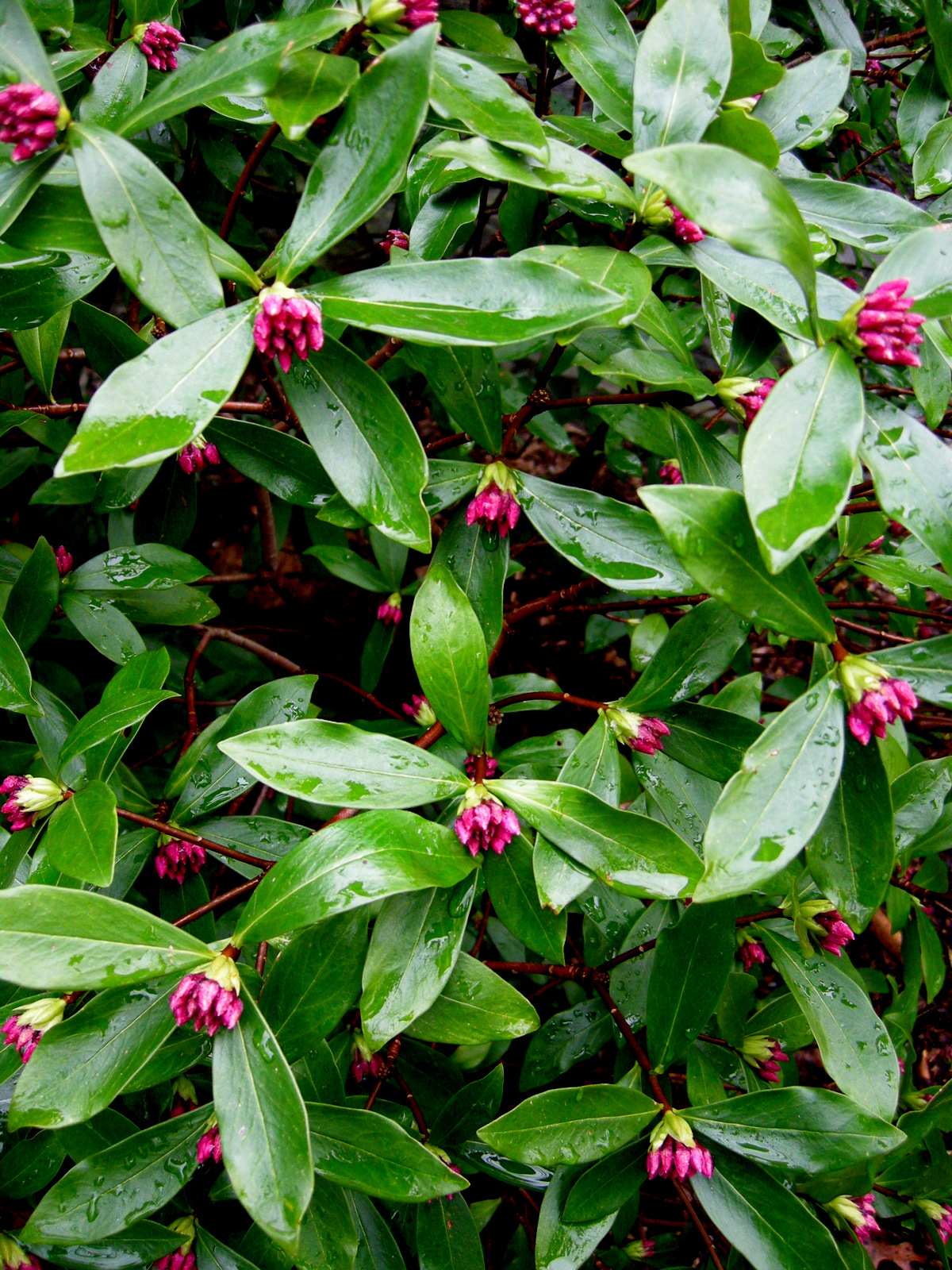
Winter daphne, D. odora, is one of my favorite shrubs because of its wonderful fragrance, excellent habit, evergreen leaves, and lovely flowers.


And the winner is….  Yes, Japanese mahonia, M. japonica, was the most fragrant plant in Charles’s garden even with all the excellent competition above.

Winter-blooming herbaceous perennials were also well represented:

The pink flowers and evergreen leaves of heath, Erica x darleyensis ‘Furzey’.

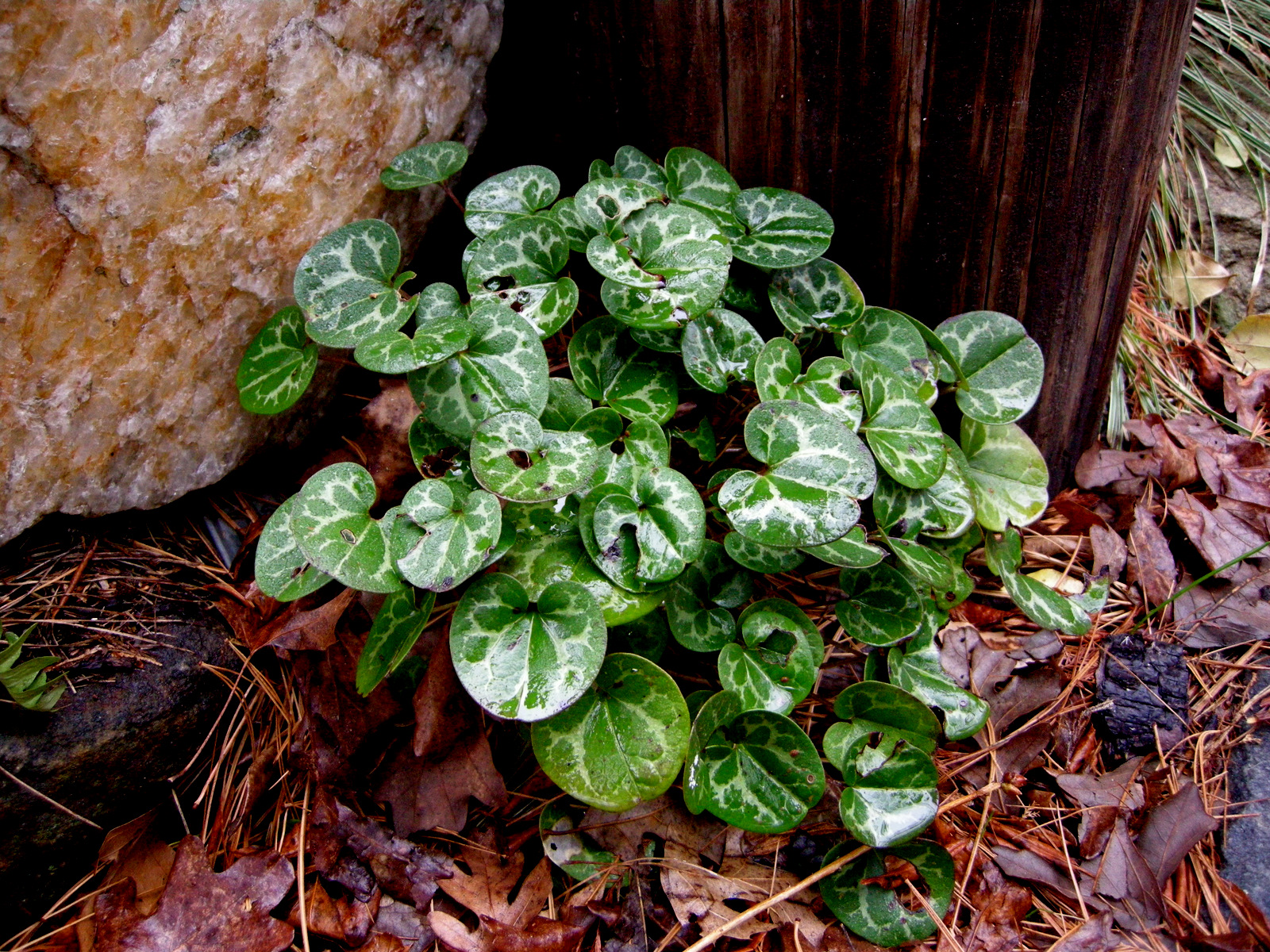
Evergreen heart leaf ginger, Asarum virginicum

Fragrant Algerian iris, I. unguicularis, was a big hit.

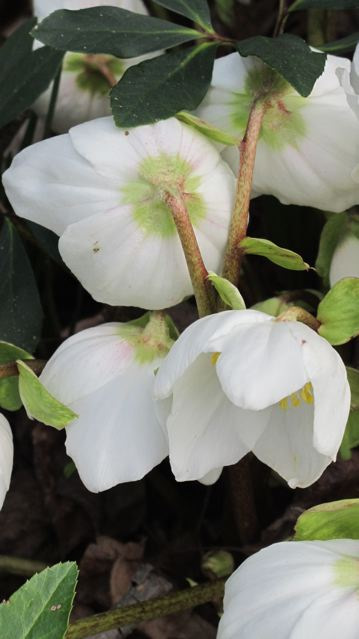
Christmas rose, Helleborus niger, photo Lucretia Robbins

A gorgeous anemone-flowered (ruffle around the center of the flower) hybrid hellebore—my favorite type of hellebore flower.

The most evergreen hellebore of them all, bearsfoot hellebore, H. foetidus.

Helleborus x ericsmithii ‘Winter’s Song’

Hybrid hellebore with the very robust and extremely fragrant snowdrop ‘Brenda Troyle’.

The tour included a wonderful selection of winter-blooming bulbs, including choice snowdrop cultivars.  Here are just a few:

Seeing this large patch of the very fragrant snowdop ‘S. Arnott’ sent participants back to add it to their purchases for the day.

Spring-blooming hardy cyclamen, C. coum

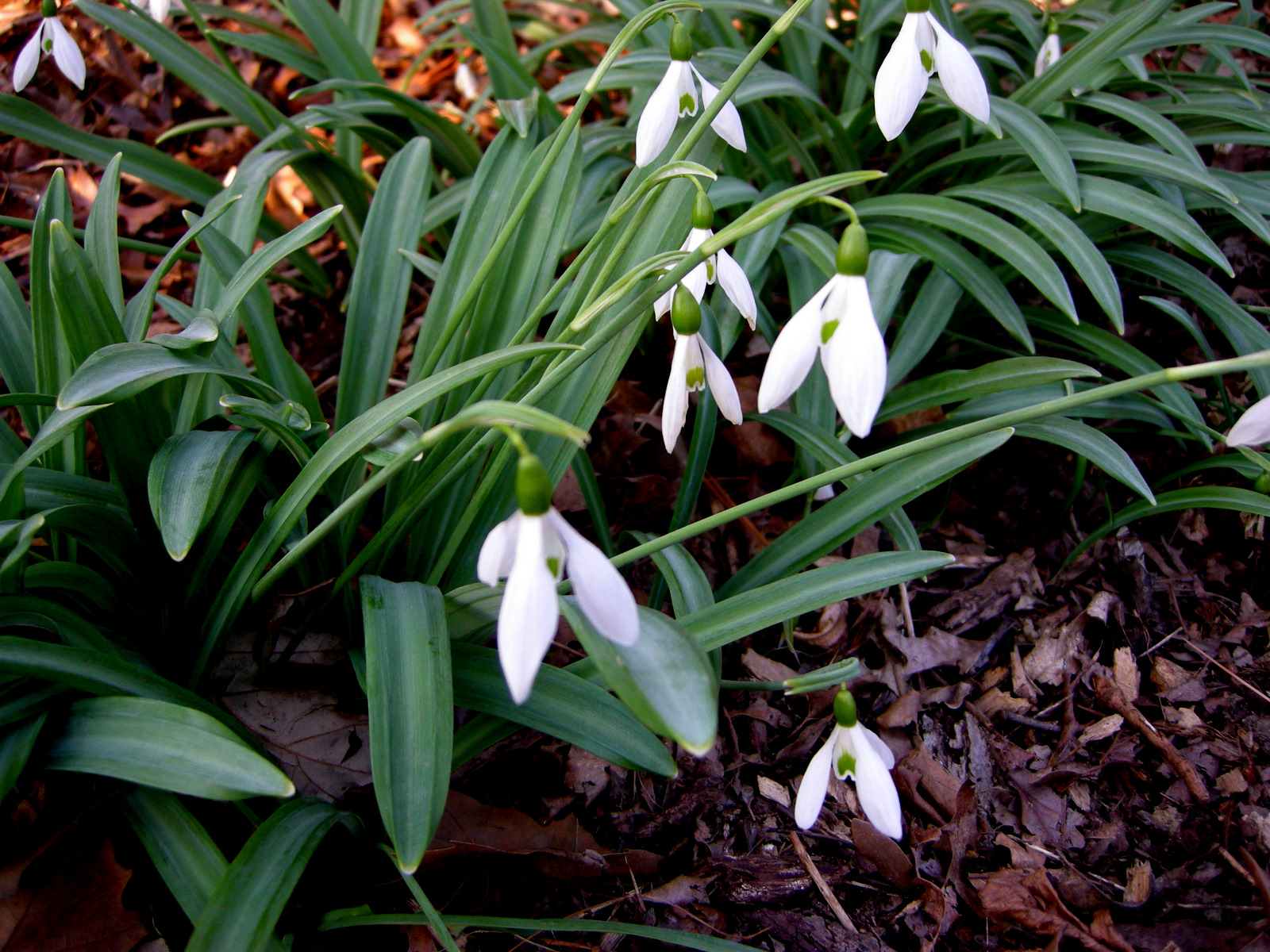
The common snowdrop, Galanthus nivalis, multiplies quickly and looks great when massed.

Evergreen leaves of fall-blooming hardy cyclamen, C. hederifolium

A single bulb of a rare yellow-flowered cultivar of the species snowdrop, G. woronowii, just sold for $1,145 on UK eBay.

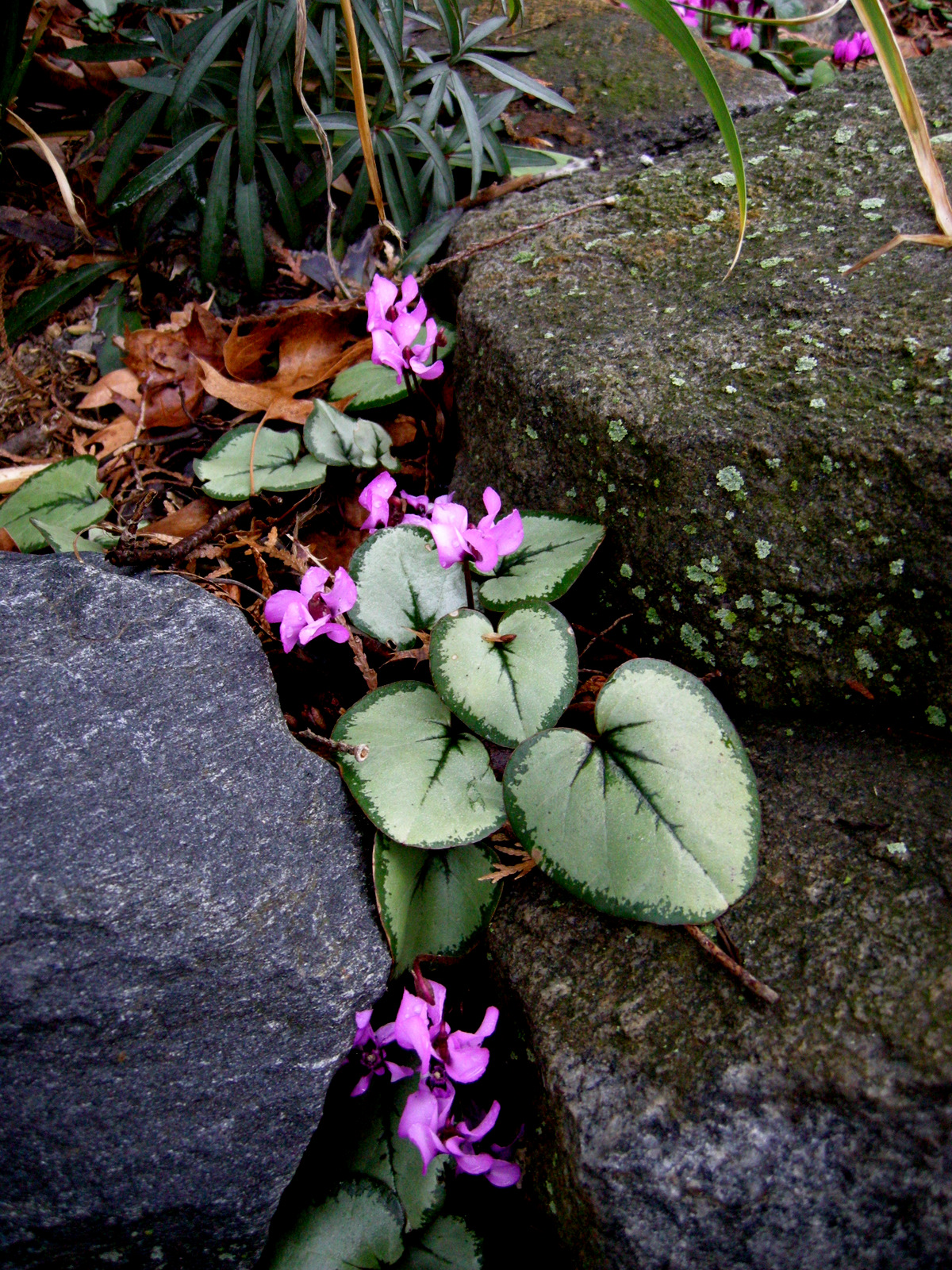
A silver-leafed form of spring-blooming hardy cyclamen.

The species snowdrop Galanthus plicatus has been in cultivation since the 16th century and comes from Russia and Turkey.  It has beautiful leaves with a unique folded (explicative) pattern.

For all of you who couldn’t actually attend Charles’s seminars, I hope you have enjoyed your virtual tour.

Carolyn

Notes: Every word that appears in orange on my blog is a link that you can click for more information.  If you want to return to my blog’s homepage to access the sidebar information (catalogues, previous articles, etc.) or to subscribe to my blog, just click here.

February GBBD: New Hellebores for 2012

Posted in evergreen, Garden Blogger's Bloom Day, hellebores, Shade Perennials, winter, winter interest with tags , , , , , , , , , , , , , , , on February 12, 2012 by Carolyn @ Carolyns Shade Gardens

Carolyn’s Shade Gardens is a retail nursery located in Bryn Mawr, PA, specializing in showy, colorful, and unusual plants for shade.  The only plants that we ship are snowdrops within the US.  For catalogues and announcements of local events, please send your full name, mailing address, and cell number to carolyn@carolynsshadegardens.com and indicate whether you are interested in snowdrops, hellebores, and/or hostas.  Click here to get to the home page of our website for catalogues and information about our nursery and to subscribe to our blog.

‘Phoebe’ is a beautiful double hellebore selected by Dan Hinkley formerly of Heronswood Nursery in Kingston, WA, as were most of the hellebores pictured here.  They are all superior forms.

It is the middle of the month and time to participate in Garden Blogger’s Bloom Day (“GBBD”) hosted by May Dreams Gardens (link available on February 15) where gardeners from all over the world publish photos of what’s blooming in their gardens.  I participate because it is fun and educational for me to identify what plants make my gardens shine at different times of the year.  This month I hope that my nursery customers and blog readers will get excited about adding colorful hellebores to their own shade gardens to extend the garden season through winter.

My garden is located in Bryn Mawr (outside Philadelphia), Pennsylvania, U.S., in zone 7A (old 6B).


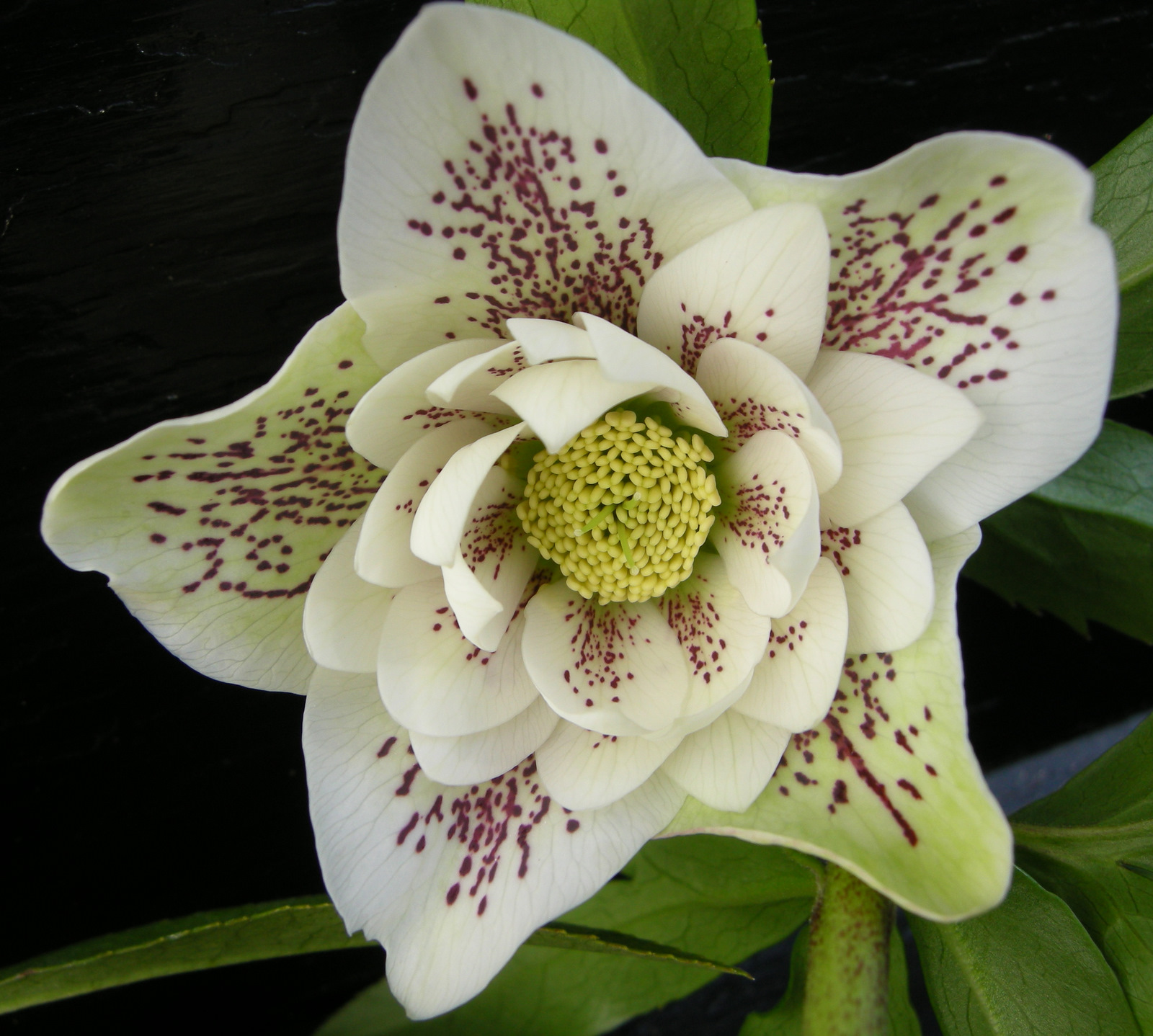
I grow the double ‘Elegance White’ for its distinct reddish purple spots and its symmetrical pointed leaves.

Because of the mild weather, I am overwhelmed with work at my nursery and behind on blogging.  So I am combining my GBBD post with a post on all the gorgeous new hybrid hellebores I will be offering this spring at my snowdrop and hellebore seminars and at my Hellebore Extravaganza on March 24.  They are coming into bloom right now so they definitely qualify for GBBD.  I will save the new species hellebores for a later post.

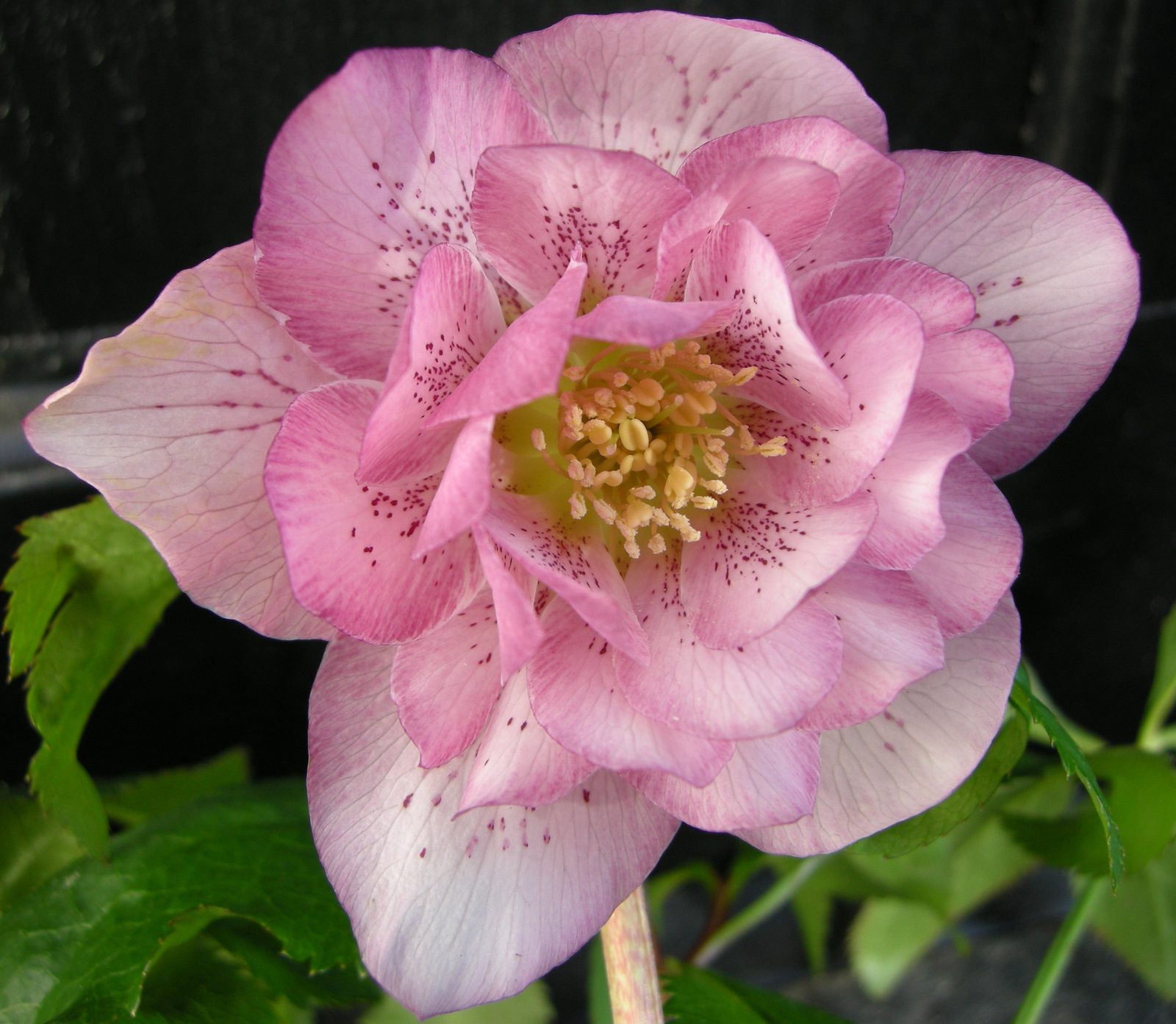
I decided to start with the doubles because, although I generally prefer single flowers, I love double hellebores.  Their flowers last for months.  In addition to the two above, I offer:


Hybrid hellebore “Double Rose”


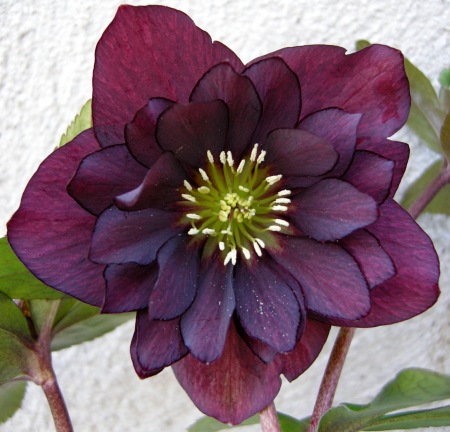
Helleborus x "Double Purple"Hybrid hellebore “Double Purple”

My absolute favorite type of hybrid hellebore is known as anemone-flowered.  In this form, the nectaries around the center of the flower create a ruffle of mini petals matching the color of the flower.  I collect anemone-flowered hellebores (those of you who bought my calendar can see one in the February collage) but have never found them for sale.  I am thrilled to be able to offer one this spring:


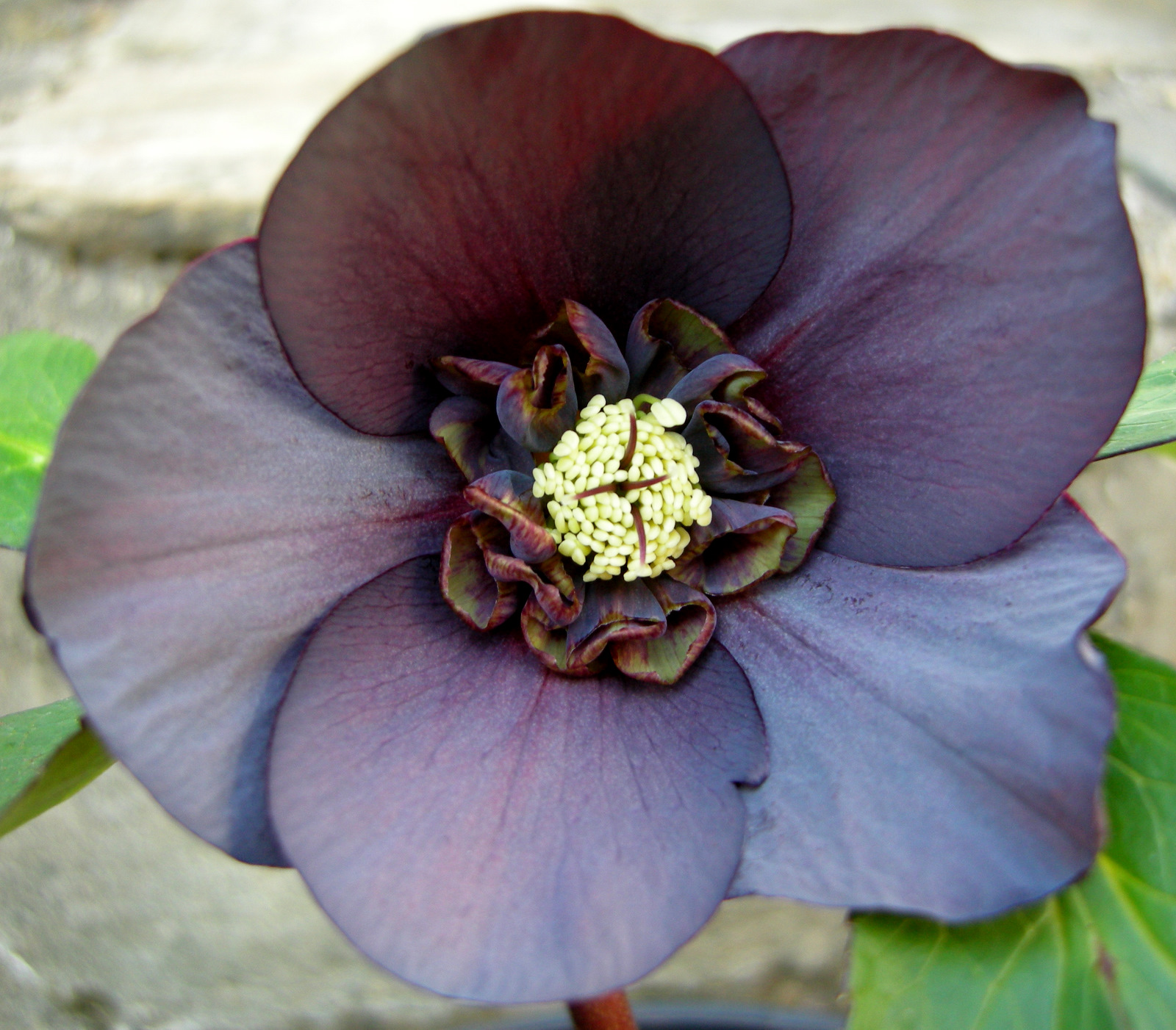
The ruffle in the middle of this anemone-flowered hellebore picks up the beautiful colors of the larger petals (actually sepals).  Slate is also a very desirable hellebore color, and ‘Slate Anemone’ is similar to ‘Starling’, another Hinkley-selected hellebore.

I am also excited about the nine new single hybrid hellebores that Carolyn’s Shade Gardens will carry this spring representing every color of the rainbow.  I don’t know if I can pick a favorite:


‘Gold Finch’ has rounded petals of buttery yellow spotted with red flecks.


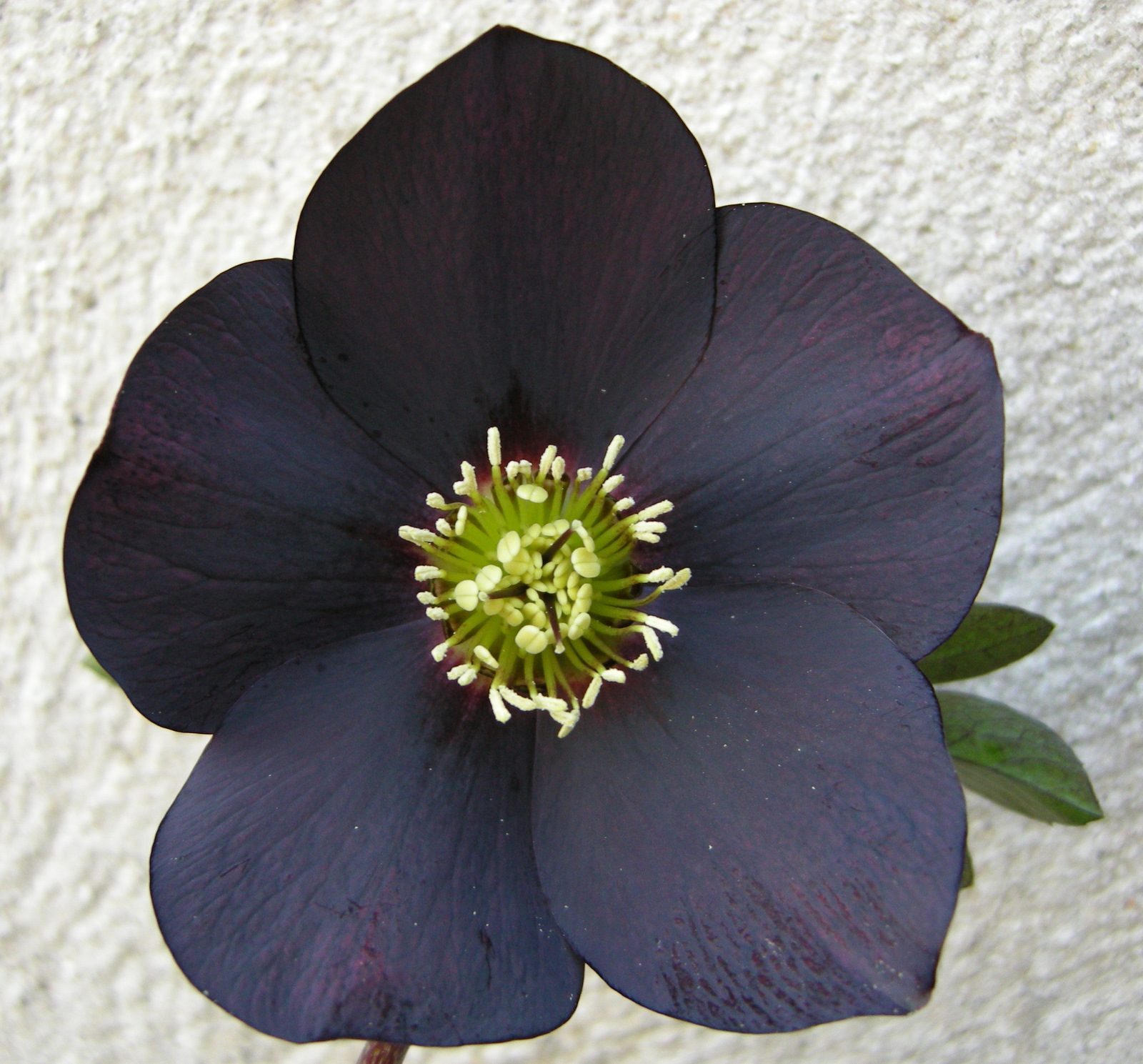
‘Black’ has striking near black flowers with a perfect rounded shape.


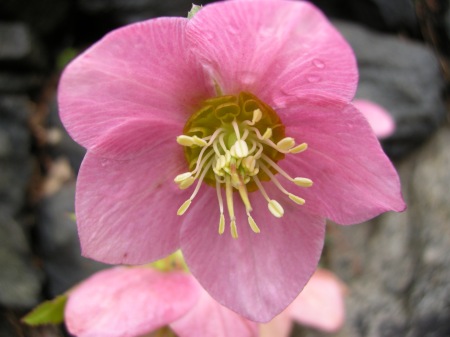
Helleborus x 'Pink Tea Cup'‘Pink Tea Cup’ is early-blooming with soft blush pink flowers reminiscent of cherry blossoms.

‘Raspberry Mousse’ has two-tone pale rose flowers with creamy white veins, and dark rose edges and reverse (the back of the flower).

‘Phoenix’ has apple green flowers edged in burgundy and with a burgundy center.


Slate gray petals with a metallic sheen and burgundy highlights in the center and veins make ‘Slate’ very desirable.
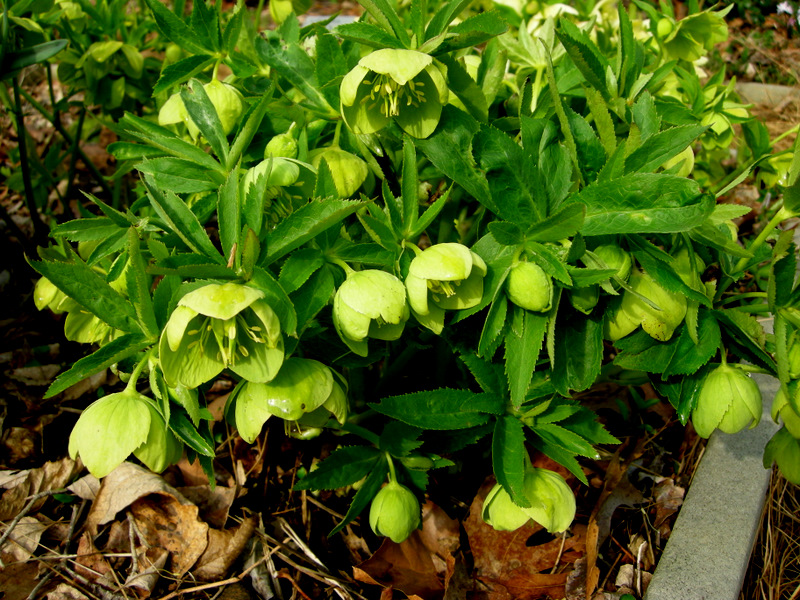
 

‘Painted Bunting’ has white flowers with a bold burgundy red central star, radiating red veins, and red picotee edges.
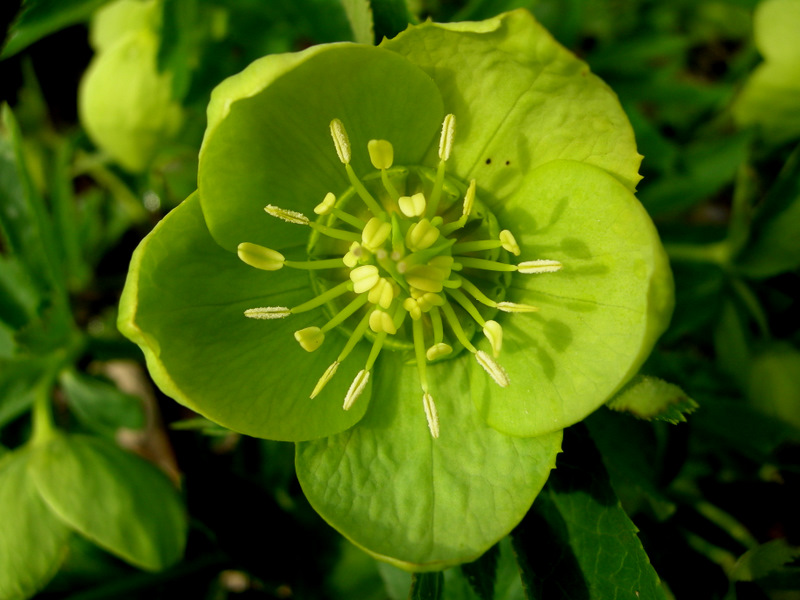
 

‘Velvet Lips’ has bright wine-red flowers with a soft creamy-yellow center and a shiny darker reverse.  I would buy this beautiful hellebore for the name alone.

The Yokoyama nursery in Japan has achieved the first ever cross between Christmas rose and hybrid hellebores to produce ‘Snow White’, this gorgeous early-blooming pure white hellebore with large, flat, outward-facing flowers; easy to grow like all the hybrids but easy to see the flowers too!

I tested all these hellebores in Spring 2011 by planting them in my garden.  This year I am being rewarded with big healthy plants loaded with flowers.  Stop by and see for yourself after I open on March 15.

Carolyn

Notes: Every word that appears in orange on my blog is a link that you can click for more information.  If you want to return to my blog’s homepage to access the sidebar information (catalogues, previous articles, etc.) or to subscribe to my blog, just click here.