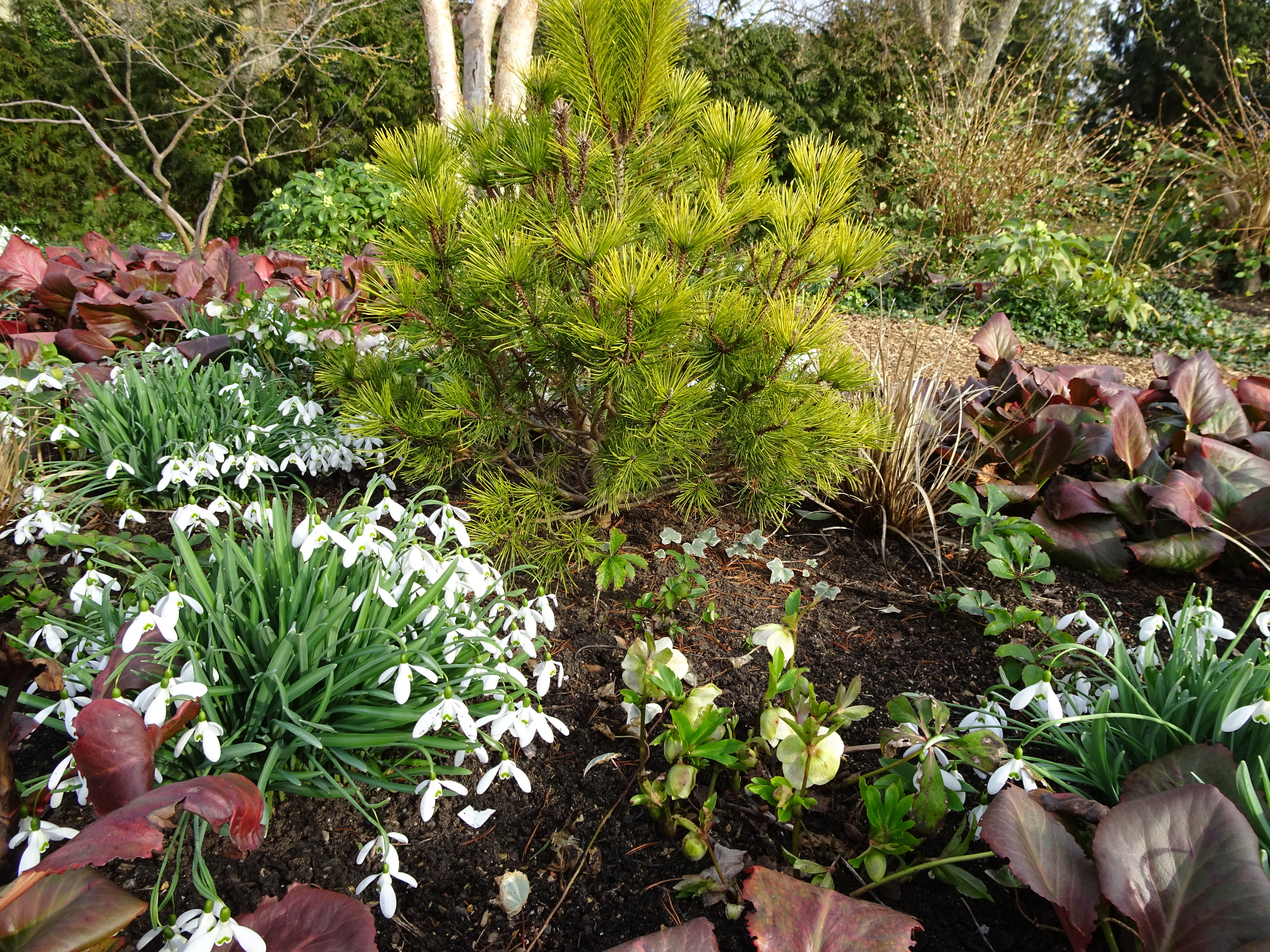
Archive for gardens in Cambridge UK

A Special Tour of Anglesey Abbey

Posted in bulbs for shade, snowdrops, winter, winter garden, winter interest with tags , , , , , , , , , , , , , , , , , , on December 14, 2024 by Carolyn @ Carolyns Shade Gardens


The house at Anglesey Abbey was originally built in 1600 on the ruins of a priory dissolved by Henry VIII in 1536.  Photo David Boughey

To access our current snowdrop catalogue, click here.  There are still a lot of great snowdrops left.

In February of 2023, Michael and I visited the magnificent winter gardens at Anglesey Abbey in Lode, England, about five miles outside of Cambridge.  We came at the invitation of the wonderful David Boughey, National Trust Service Assistant, who arranged a private tour of Anglesey’s snowdrop collection for us.  David is also a professional photographer and supplied many of the photographs for this post.  Thank you, David!

.

Nursery News:  Carolyn’s Shade Gardens at Whitehall Farm is a retail nursery in Norristown, PA, U.S., zone 6b/7a. If you are interested in shopping here, send us an email with your full name, mailing address, and cell number to carolyn@carolynsshadegardens.com and indicate if you are interested in shopping at the nursery and/or snowdrops (mail order only). Current catalogues, hours/contact information , and directions are under Pages on the right sidebar. The only plants we ship are snowdrops to US customers. Click here to get to the home page of our website for catalogues and information about our nursery and to subscribe to our blog.

.
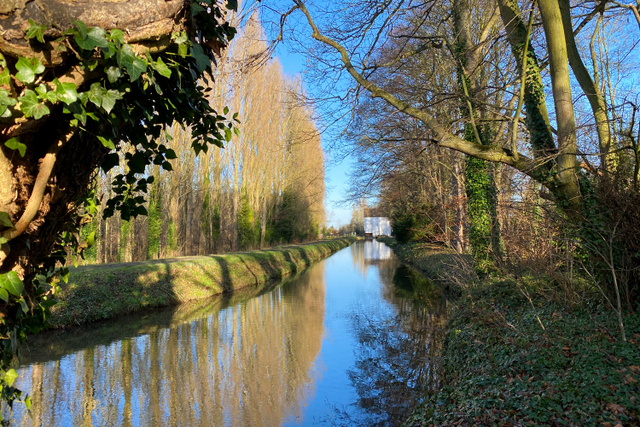
The Anglesey Abbey grounds include Lode Mill, a completely functional corn mill, originally purchased and restored by Lord Fairhaven in 1934 but probably in existence prior to 1086.  Photo David Boughey

Our tour was conducted by very knowledgeable Senior Gardener David Jordan, who guided us through the winter gardens and the Specialist Collection of Snowdrops.  Anglesey Abbey has over 500 varieties of snowdrops so it is a great place for galanthophiles.  But before I get to the snowdrops, I want to show you the stunning winter gardens.  The following photos were taken by David Boughey.

..

.

.

.

.

.

Now for the snowdrops……

.

Anglesey Abbey has had to limit access to the snowdrop collection after a series of snowdrop thefts so the Specialist Collection is only accessible with advance booking of a guided tour.  The tours take place in January and February and sell out quickly.  The 2025 tour schedule was not available at the time of this post, but click here to check for updates.

.
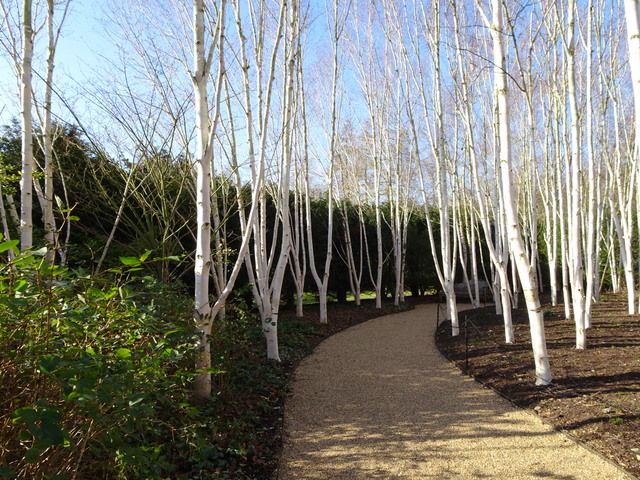
We passed this sculptural birch grove on the way to the snowdrops.

.

There were also many naturalized snowdrops in the woods and gardens outside the special collection.

The snowdrop collection featured so many amazing and notable cultivars that it would be impossible to do it justice—you just have to visit.  In the meantime, I will show nine snowdrops that were discovered and selected at Anglesey Abbey:

.
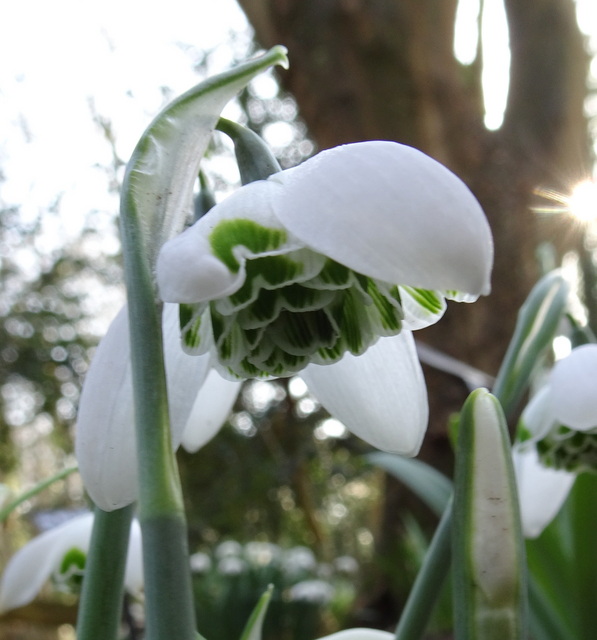
‘Ailwyn’, a RHS Award of Garden Merit-winning snowdrop discovered by the famous Richard Nutt in 1994 and named for Lord Fairhaven, the owner of Anglesey Abbey who donated it to the National Trust in 1966.

.
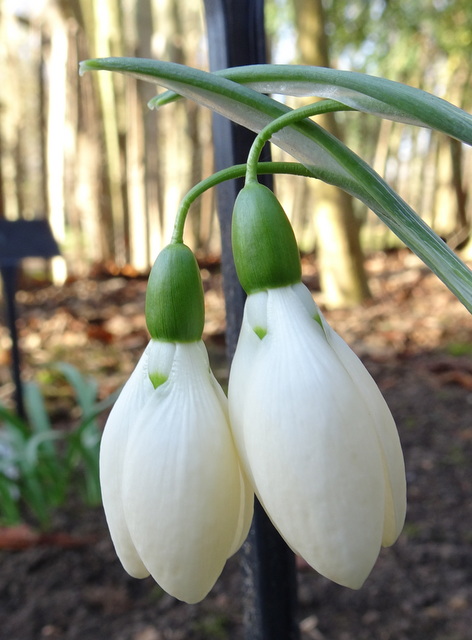
‘Anglesey Orange Tip’ was discovered at Anglesey Abbey by our guide Senior Gardener David Jordan.  Its buds are a lovely apricot color, which fades to a glow on the tips when the flowers open.

.
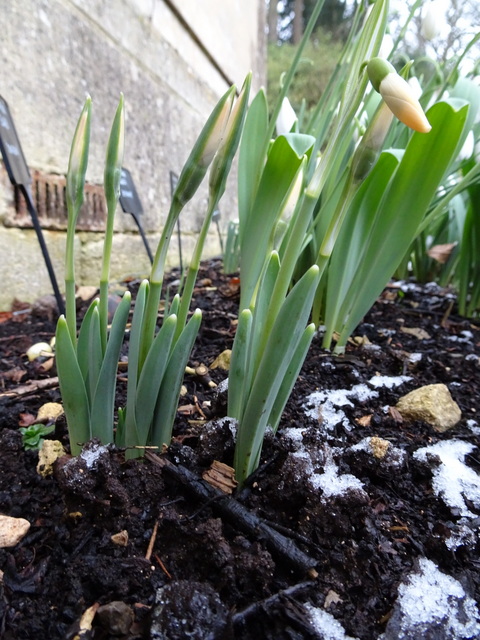
‘Anglesey Orange Tip’ in bud at Colesbourne Park.

.

‘Anglesey Abbey’, though variable, is, at its best, a pure white poculiform snowdrop with glossy green leaves found by famous horticulturist Graham Thomas in the abbey gardens.

.

The beautiful double ‘Lady Fairhaven’ appeared at the abbey in 1998 and is considered very similar to ‘Ailwyn’.

.

‘Anglesey Candlelight’ was discovered by Senior Gardener David Jordan around 2014 and given its name due to the orange glow on the inner segments.

.


‘Huttlestone’ was discovered in the abbey gardens in 1992 by Joe Sharman, the owner of Monksilver Nursery.  It is named for the first Lord Fairhaven.  Look at those leaves!

.

‘Anglesey Cloudgazer’ was found in the abbey gardens by now retired Head Gardener Richard Todd and named by Michael and Ann Broadhurst at Rainbow Farm Snowdrops for a stargazing structure at the abbey designed by Todd.

.
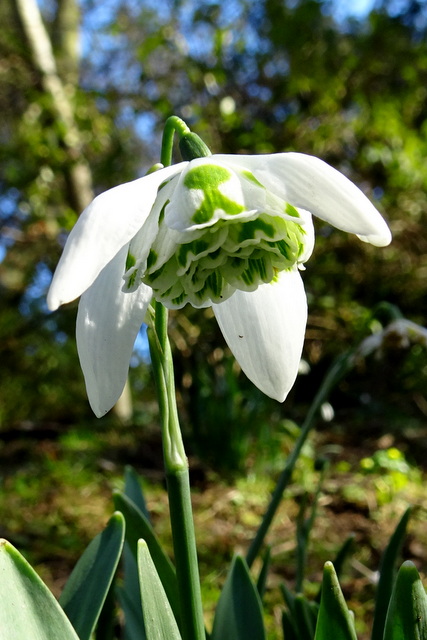
The beautiful and vigorous ‘Richard Ayres’ was found at Anglesey Abbey in 1987 by famous galanthophile Richard Nutt and named for a former Head Gardener.

.
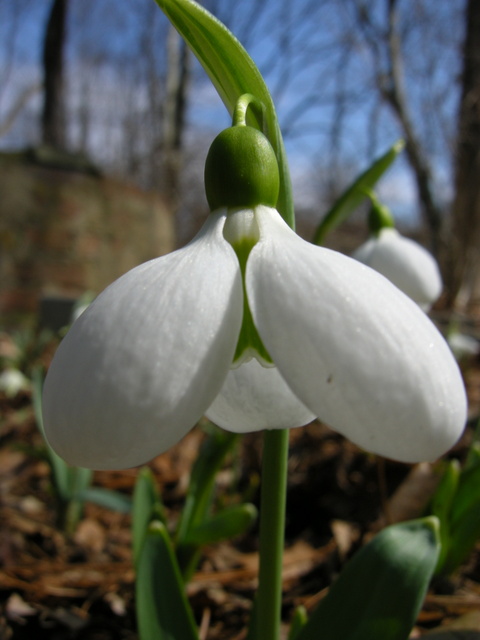
As recounted by then Head Gardener Richard Ayres, ‘Melanie Broughton’ was discovered at Anglesey Abbey during the 1998 Galanthus Gala and later named for Lord Fairhaven’s youngest daughter.  It is still available in our 2025 Snowdrop Catalogue.

.

Blogs are a lot more fun for everyone, especially the writer, when readers leave comments.  If you are reading this post in the WordPress email (white background), just reply to the email to comment.  If you are reading the post on my blog (black background, recommended for better viewing), scroll down to the end of the page to the box where it says “Leave a Reply” and start typing—-it’s easy!

Carolyn

.

Note: Every word that appears in orange on my blog is a link that you can click for more information. If you want to return to my blog’s homepage to access the sidebar information (catalogues, previous articles, etc.) or to subscribe to my blog, just click here.
Cambridge Botanic Garden in Winter

Posted in bulbs for shade, snowdrops, winter, winter garden, winter interest with tags , , , , , , , , , , , , , , on December 7, 2024 by Carolyn @ Carolyns Shade Gardens


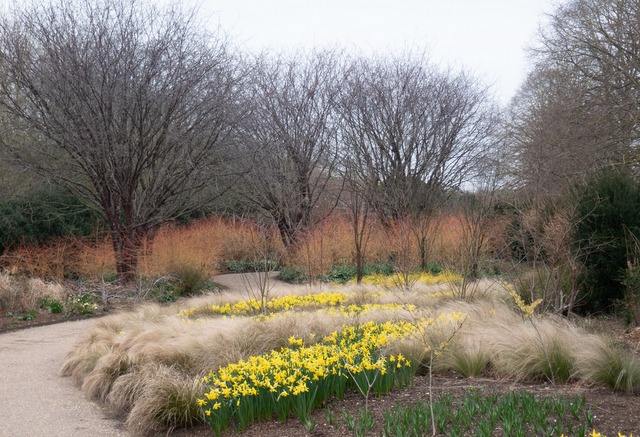
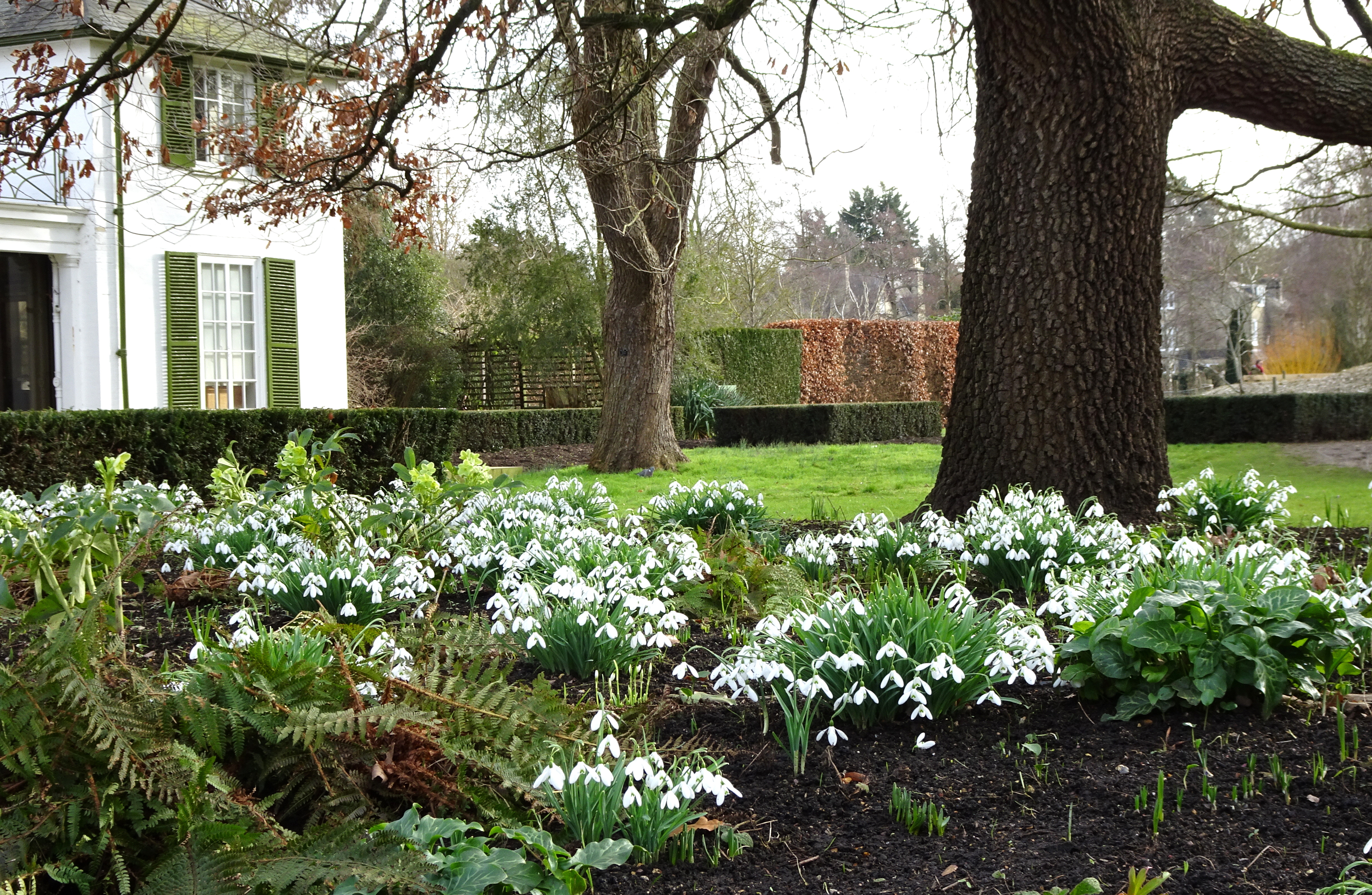
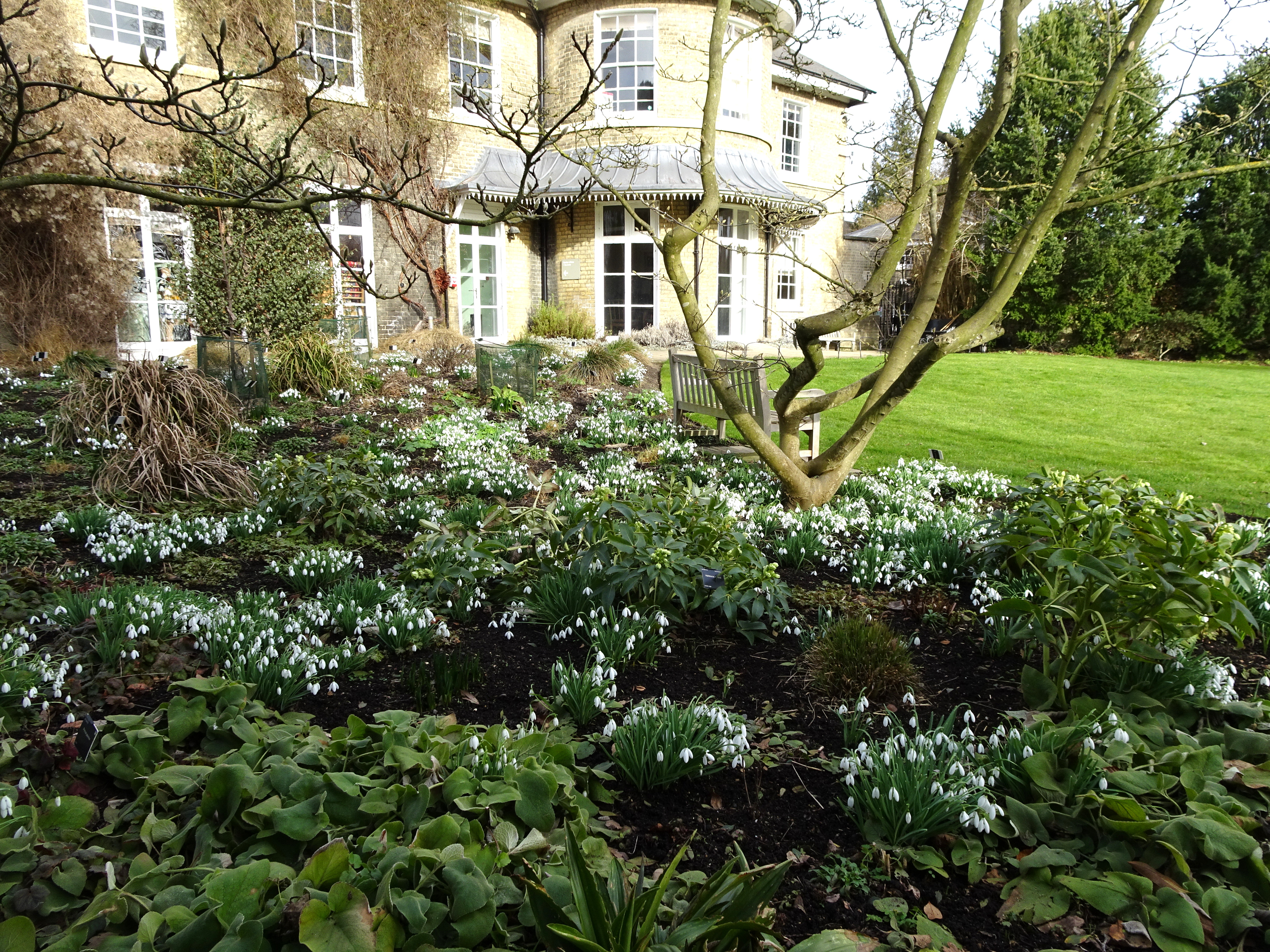
The winter landscape at Cambridge Botanic Garden features stunning displays of snowdrops in February.

To access our current snowdrop catalogue, click here.

We posted our 2025 Snowdrop Catalogue on Sunday to a very enthusiastic response from our wonderful snowdrop customers all over the country.  Our limited supply of the rare and special snowdrops included in our catalogue always sell out in the first few hours.  However, in this post, I want to sing the praises of the more ‘ordinary’ (if you can say that about a Galanthus) snowdrops that should be the backbone of any winter garden while showing you the beautiful winter landscape at the Cambridge University Botanic Garden.

.

The bright white of the award-winning snowdrop ‘Magnet’ is a welcome addition to all parts of a winter garden.

What snowdrops am I talking about?  The easiest way to find them in our catalogue is by looking at the prices.  Snowdrops that multiply easily and rapidly in almost any conditions are less expensive because we have more of them available.  Snowdrops like ‘S. Arnott’, the so-called desert island snowdrop, which galanthophiles would choose if they could only have one.  Or ‘Straffan’, brought back to England by a soldier from the Crimean War.  Or ‘Mrs. Macnamara’, a very early bloomer selected by Dylan Thomas’s mother-in-law.  Or ‘Trumps’, the most vigorous and beautiful pagoda-shaped (inverse poculiform) snowdrop.

Nursery News:  Carolyn’s Shade Gardens is a retail nursery located in Bryn Mawr, PA, specializing in showy, colorful, and unusual plants for shade.  The only plants that we ship are snowdrops within the US.  For catalogues and announcements of local events, please send your full name, mailing address, and cell number to carolyn@carolynsshadegardens.com and indicate whether you are interested in snowdrops.  Click here to get to the home page of our website for catalogues and information about our nursery and to subscribe to our blog.

.

Number one rated ‘S. Arnott’ with hellebores and a winter-blooming iris.

Another way to find them is to look for the designation RHS AGM at the end of the plant descriptions in our catalogue.  This means the snowdrop has received a prestigious Award of Garden Merit from the Royal Horticultural Society in England.  The Society gives AGMs to help “gardeners choose plants that have been tried and tested by experts [and] …  are likely to perform and are excellent for ordinary use.”  Snowdrop AGMs are awarded after extensive trials and judging by snowdrop experts.

.

‘Magnet’ was used throughout Cambridge Botanic Garden, here massed by the pond.

Of the over 2,500 named snowdrops, only 28 have been awarded the RHS AGM.  In addition to the four briefly described above (‘S. Arnott’, ‘Straffan’, Mrs. Macnamara’, and ‘Trumps’), we also sell ‘Magnet’ (in the photo above), ‘Augustus’ with beautiful quilted flowers and striped leaves, ‘Barnes’ a vigorous fall-bloomer, very large-flowered ‘Bertram Anderson’, and the common snowdrop Galanthus nivalis, which has multiplied throughout our garden.  To see photos and detailed descriptions of all of them, click here.

.

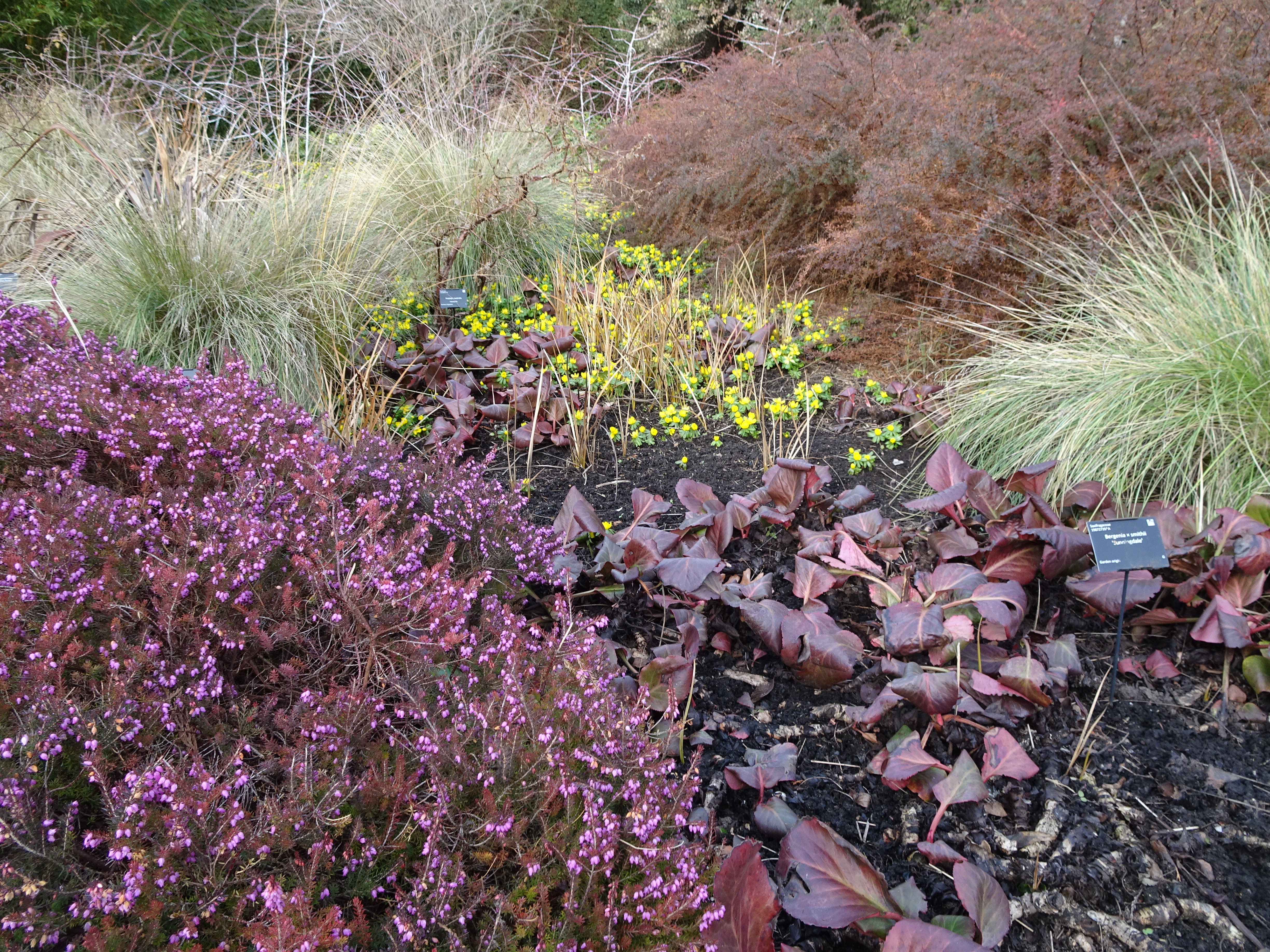
Snowdrops offer a bright contrast to plants with purple, red, and gold winter colors.

.

The yellow flowers of winter aconite, Eranthis hyemalis, weave in among silver grasses, bergenia, and heather.  We also sell it in our catalogue.

.

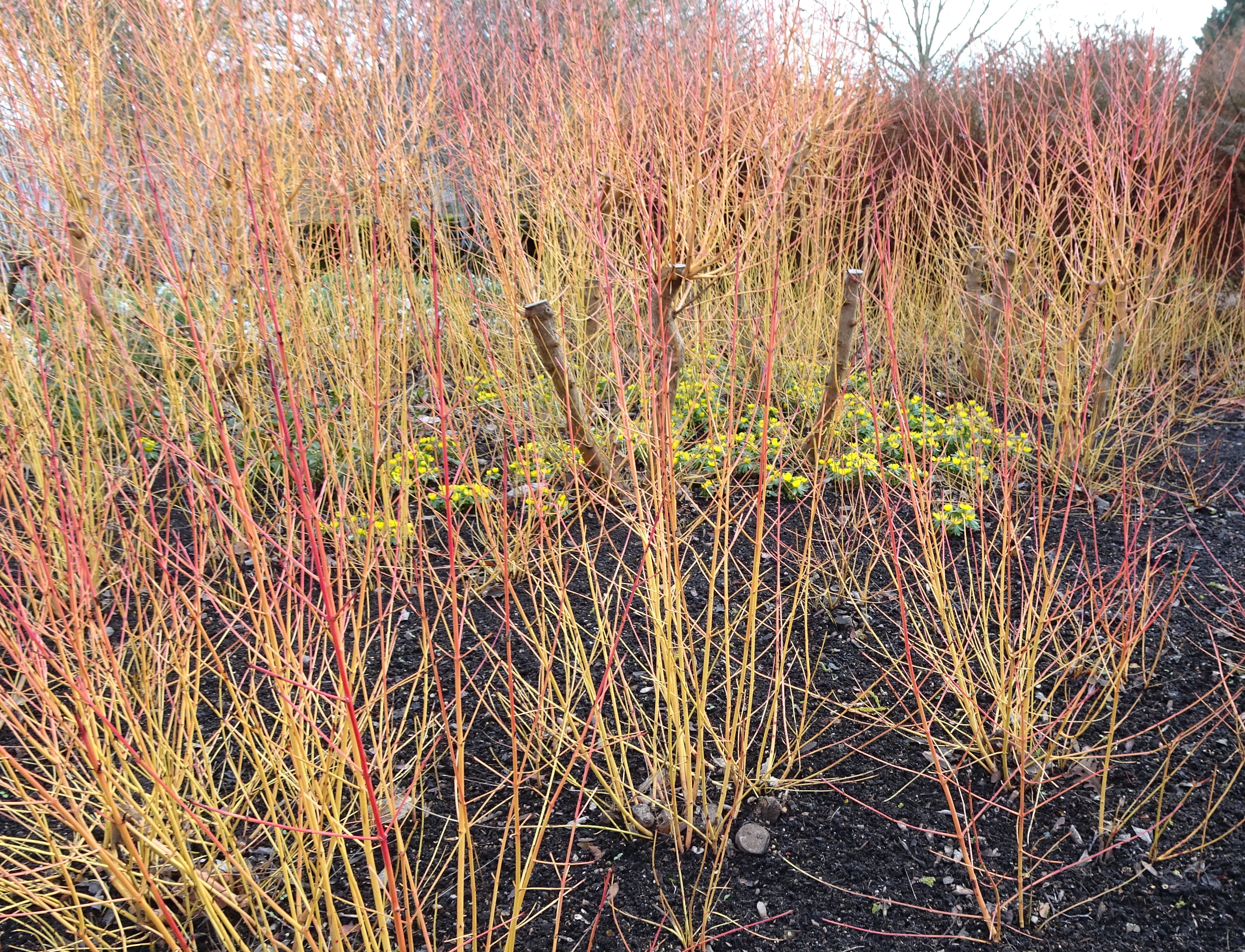
Yellow winter aconite brings out the gold in brightly-stemmed dogwood.

.

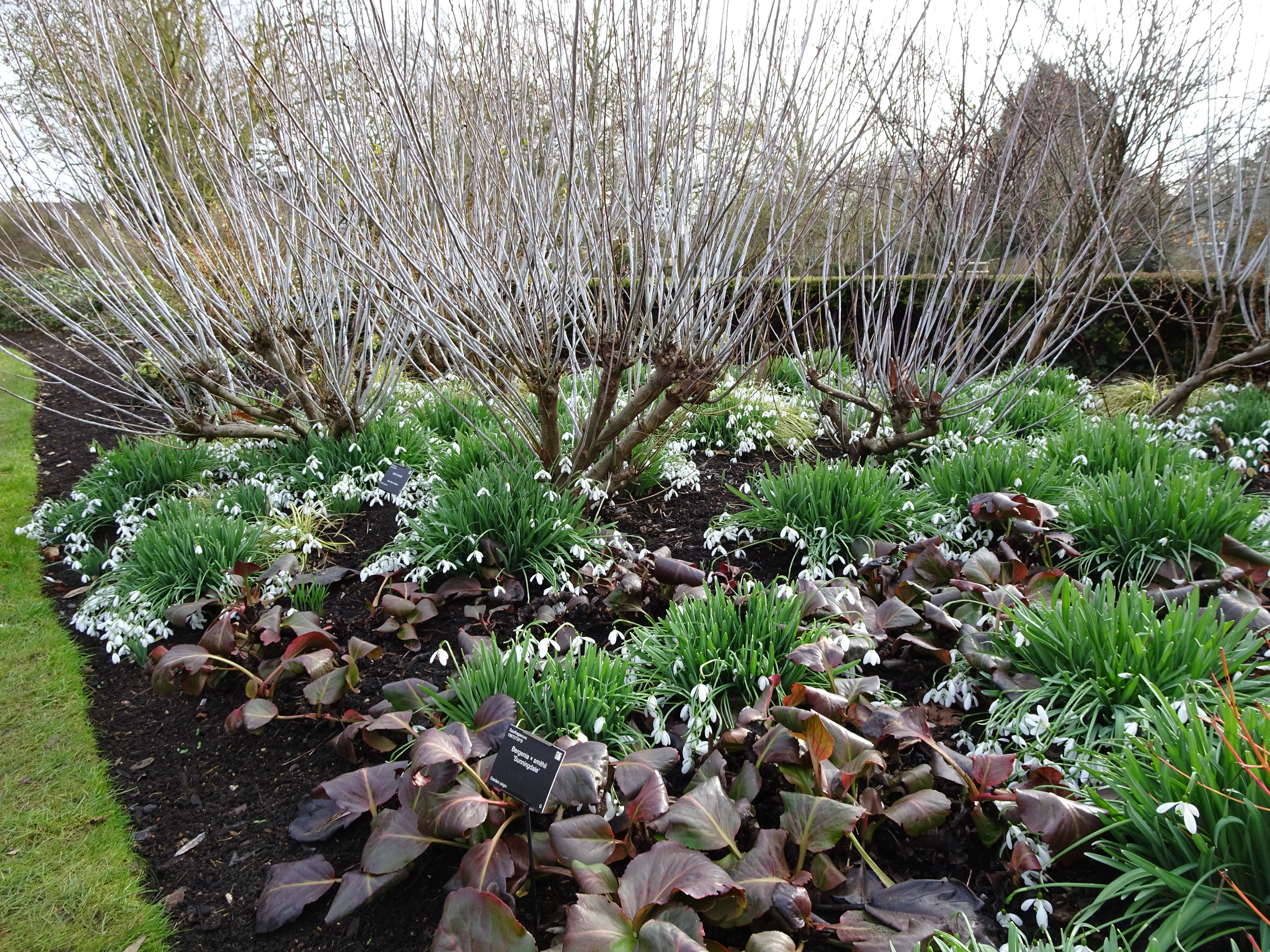
A more subtle but elegant combination, blue-stem willow, Salix irrorata, with snowdrops.

.

And then there is this eye-popping pairing of snowdrops with bergenia, heather, and bright red-stemmed dogwood backed by golden conifers.

.

Snowdrops look lovely here and in my garden in February with Narcissus ‘Rijnveld’s Early Sensation‘—yes, it does bloom that early!

.

The ways to use snowdrops in masses in your winter landscape are not limited by space considerations as they go dormant after they bloom and can be planted around other plants or in the backs of your beds.

.

I could write a whole post on how much we loved visiting Cambridge.  You can walk everywhere, and it has excellent museums, restaurants, scenery, walking tours, and gardens.  The colleges within the university are gorgeous and the evensong music of their choirs is heavenly.   

We stayed at the Duke House right in downtown Cambridge, whose very friendly and welcoming owner provided lovely accommodations, excellent breakfasts, and parking on site so we could abandon our car while we were there.  In addition to the Cambridge Botanic Garden, when we were in the Cambridge area, we also visited Benington Lordship Gardens, Anglesey Abbey, and Wandlebury Ring, all of which were amazing.

.

Blogs are a lot more fun for everyone, especially the writer, when readers leave comments.  If you are reading this post in the WordPress email (white background), just reply to the email to comment.  If you are reading the post on my blog (black background, recommended for better viewing), scroll down to the end of the page to the box where it says “Leave a Reply” and start typing—-it’s easy!

Carolyn

.

Note: Every word that appears in orange on my blog is a link that you can click for more information. If you want to return to my blog’s homepage to access the sidebar information (catalogues, previous articles, etc.) or to subscribe to my blog, just click here.