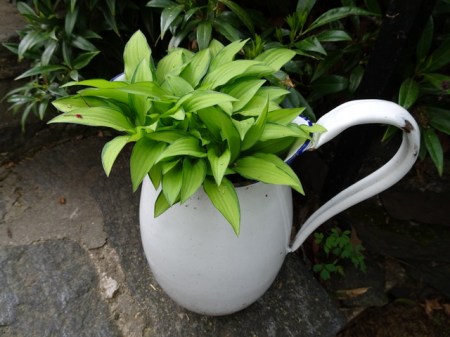
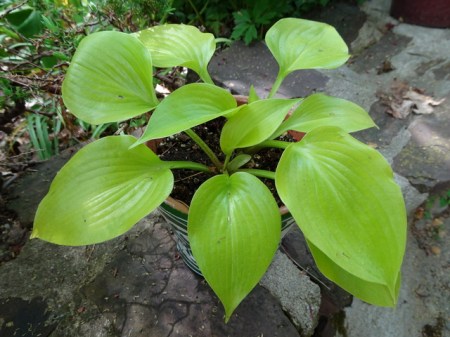
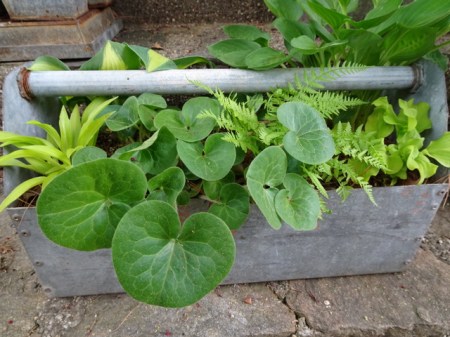
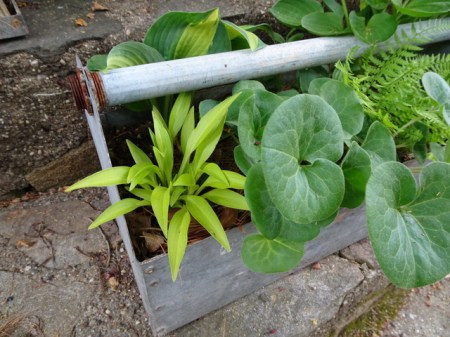
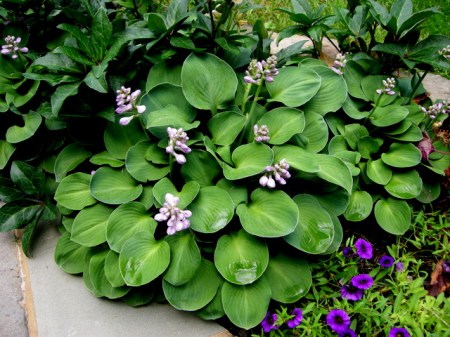
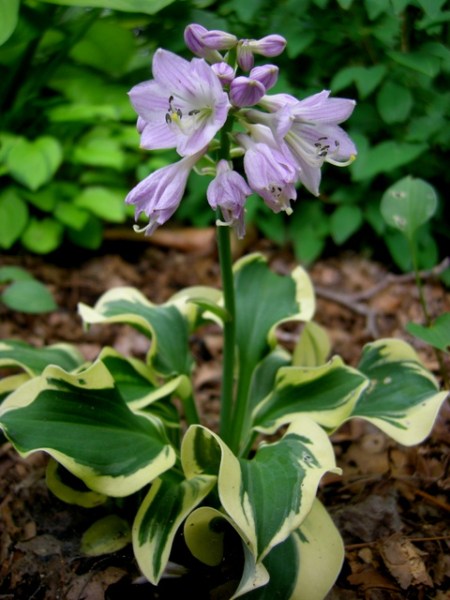
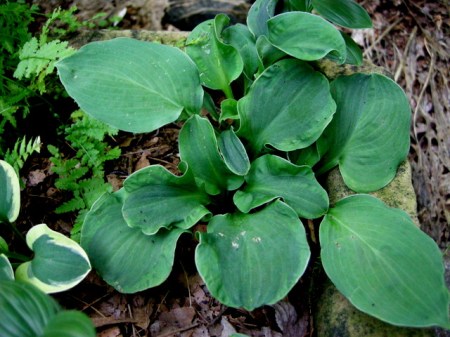
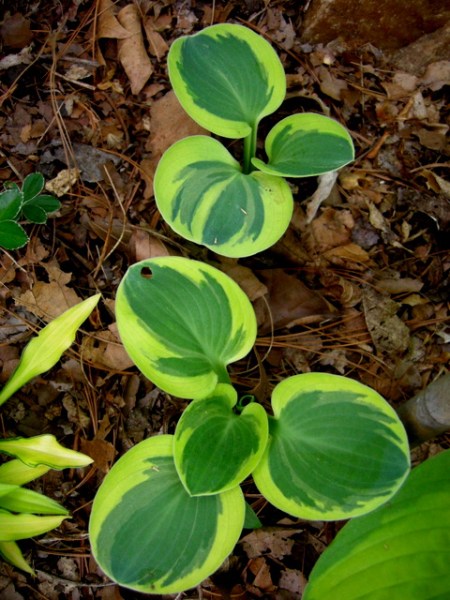
Archive for miniature hostas

Longwood Gardens Part 5: Tulips and Natives

Posted in bulbs for shade, garden to visit, groundcover, native plants, Shade Gardening, Shade Perennials with tags , , , , , , , , , , , , , , , , , , , , , , , , , , , , , , , , , , , , , , , , , , , , , , , , , , on May 2, 2013 by Carolyn @ Carolyns Shade Gardens

The 2013 Miniature Hosta Mail Order Catalogue, containing choice selections of miniatures for shipping all over the US, is now on the right sidebar here, and we are ready to ship.  If you are local, you can buy them at the nursery.

. Tulips at LongwoodThis color combination is magnificent for spring.

.

During 2012 to 2013, I have been visiting Longwood Gardens in Kennett Square, Pennsylvania, U.S., every few months and highlighting some aspect of this amazing place (last year I focused on Chanticleer).  Links to my previous four posts are at the end.  There is much to see there with 325 acres open to the public and 20 outdoor gardens. 

On April 18, Michael and I headed out to Longwood with the specific objective of photographing the plants in the native woodland, Peirce’s Woods.  Of course, on the way to the woods, we got sidetracked by the bulb displays out front and along the Flower Garden Walk.  Although masses of tulips and other bulbs are just about polar opposite to native plants naturalized in a woodland, they are still gorgeous so I will show you a few photos as I explain the history of the woodland.

.

Leucojum aestivumSummer snowflake, Leucojum aestivum, is a great plant for massing.  Mine grow and self-sow quite readily in both south-facing and east-facing locations as well as in full deciduous shade in my woodland.

In 1700, a Quaker family named Peirce purchased the area that is now Peirce’s Woods from William Penn to establish a working farm.  In 1798, the Peirces began planting trees to establish an arboretum on the property.  Eventually the area became known as one of the finest collections of trees in the country.  The great industrialist Pierre DuPont (1870 to 1954) purchased the property in 1906 with the specific purpose of preserving the magnificent trees.

.

container at LongwoodYou will find fabulous container gardens throughout Longwood, including this one outside the Visitor’s Center with a large native dogwood underplanted with daffodils.

Peirce’s Woods comprises seven acres planted to showcase the ornamental characteristics of native plants from the eastern U.S. deciduous forest.  The shade trees  are mostly oak, ash, maple, and tulip trees, some over 200 years old.  The understory is native flowering trees and shrubs underplanted with native groundcovers.  All the plants are labeled so it is a great place to visit to get ideas for your own woodland garden.  Before I highlight the plants there, a few more bulb photos:

.

Narcissus Tahiti and Flower DriftNarcissus ‘Tahiti’ and ‘Flower Drift’

.

tulips at Longwood

.

tulips at Longwood.

tulips at Longwood

.

Tulipa 'Yellow Wave'‘Yellow Wave’ tulip

.

Tulipa 'Rococo'‘Rococo’ tulip

.

Tulipa 'Rococo'I think this tulip should be called the Little Shop of Horrors tulip—you definitely would not want to stick your finger inside of it.

.

Flower Garden Walk at LongwoodAs we neared the end of the Flower Garden Walk, we were greeted by this magnificent vista.

We came to Longwood with the objective of viewing and photographing Peirce’s Woods.  I fully intended to show scenes of the woods as a whole and close ups of individual native wildflowers.  However, I didn’t realize that because the weather has been so cold this spring, many of the flowers would not be blooming yet.  My own garden is always ahead because it is on a south-facing slope and the soil warms up early.  Also, as soon as we got there and typical for this spring, the sun went in, the wind picked up, it started to rain, and the temperature plummeted.

.

Matteuchia pennsylvanica The only other landscape shot that I got: ostrich ferns by the shore of the lake.  These ferns can be quite tall, 3 to 5′, spread aggressively by runners, and are the source of edible fiddleheads.

Michael and I were both under-dressed with no raincoats so I decided to take photos of the plants that were blooming and come back the following week for the landscape shots and later-blooming plants.  As usual, work at the nursery got in the way, but I wanted to show you the beautiful native plants that I was able to capture on film.  Just picture me kneeling patiently by each plant and snapping the photo in between gusts of wind and bouts of rain:

.

Heuchera villosa 'Miracle' ‘Miracle’ coralbells, Heuchera villosa, is one of my favorite cultivars of this tough eastern native.  The only coralbells I sell at my nursery are offspring of eastern natives H. villosa and H. americana because I find the other types not hardy.

.

Anemonella thalictroides Rue-anemone, Anemonella thalictroides, is so delicate looking but  thrives and self-sows in dry shade.

.

Trillium grandiflorum‘Quicksilver’ large-flowered trillium, T. grandiflorum, was selected as a rapidly multiplying form of the species by Dr. Richard Lighty, at the Mt. Cuba Center in Delaware.

.

Trillium grandiflorum 'Quicksilver' and Anemonella thalictroides‘Quicksilver’ surrounded by rue-anemone.

.

Trillium luteum, yellow toad trilliumI find yellow toad trillium, T. luteum, quite easy to grow.

.

Trillium erectum, purple trilliumpurple trillium, T. erectum

.

Trillium erectum, purple trilliumThe two-tone flowers of purple trillium are gorgeous.

.

Dicentra cucullaria, squirrel cornsquirrel-corn, Dicentra canadensis

.

Caulophyllum thalictroides, blue cohoshBlue cohosh, Caulophyllum thalictroides, has these unprepossessing flowers in the spring followed by bright blue berries.  I love its leaf and stem structure and elegant overall habit.

.

Caulophyllum thalictroides and Dicentra canadensisBlue cohosh can act like a small shrub, here with an underplanting of squirrel-corn.

.

Mertensia virginicaVirginia bluebells, Mertensia virginica, were everywhere just like they are in my own garden where they seed prolifically.

.

Enemion biternatum, eastern false rue-anemoneEastern false rue-anemone, Enemion biternatum, is a new plant to me.  I am going to look for it though because its flowers were lovely perched on reddish stems and it evidently spreads to make an eye-catching patch.

.

stump in Peirce's WoodsI thought what Longwood had done to the stump of a tree that came down was very interesting and actually quite attractive.

.

Erythronium americanum, adder's tongueAdder’s tongue or what I call trout lily, Erythronium americanum, usually produces hundreds of leaves and a few flowers in my garden, but this year it is blooming well everywhere.

.

Polstichum acrostichoidesThe emerging fronds of Christmas fern, Polystichum acrostichoides, look like fairies should be dancing among them.

.

Onoclea sensibilisSensitive fern, Onoclea sensibilis, is a great native fern that is underused in gardens.

.

Onoclea sensibilisSensitive fern looks great in a mass planting.

.

Claytonia virginica, spring-beautyThe wind was roaring when I tried to photograph these spring-beauties, Claytonia virginica, so they are out of focus, but I didn’t want you to miss them.

.

Claytonia virginicaSpring-beauty really has an amazing flower even when blurry.

.

Hydrophyllum macrophyllum, large-leaf waterleafLarge -leaf waterleaf, Hydrophyllum macrophyllum, has very pretty foliage.

.

Cardamine concatenata, cutleaf toothwortCutleaf toothwort, Cardamine concatenata, is a spring ephemeral that naturalizes slowly to form a colony in the shade.

.

Uvularia grandifloraLarge-flowered bellwort, Uvularia grandiflora, is one of my favorites.  It grows 1 to 2 feet tall, has unusual and elegant yellow flowers, and grows in full, dry shade.  I don’t know why this plant isn’t more popular, but it doesn’t sell well at my nursery even though I have big stands of it in my display gardens.

All the plants profiled are native to Pennsylvania and the East Coast.  If you would like to see if a plant is native to your state, the best place to look is the USDA Natural Resources Conservation Service Plants Database.  All you do is put in the name of the plant and you will be shown a map of where it is native in the U.S.  I also have all these plants in my garden except toothwort and false meadow-rue, and I highly recommend them.

To read more about Longwood Gardens, follow these links:

Groundcovers, Thinking Outside the Box

Longwood Gardens Part 2: At Night

A Longwood New Year’s Eve

Cold Weather Antidote: Longwood’s Orchids

Carolyn

.

Carolyn’s Shade Gardens is a retail nursery located in Bryn Mawr, Pennsylvania, US, zone 6b.  The only plants that we mail order are snowdrops and miniature hostas and only within the US.

If you are within visiting distance and would like to receive catalogues and information about customer events, please send your full name and phone number to carolynsshadegardens@verizon.net.  Subscribing to my blog does not sign you up to receive this information.

Nursery Happenings:  The 2013 Spring Shrub Offer is now in full swing and orders are due May 18.  To read about the plants available and place an order, click here.  The 2013 Miniature Hosta Mail Order Catalogue, containing choice selections of miniatures for shipping all over the US, is now on the right sidebar here, and we are ready to ship.  If you are local, you can use the catalogue to see what miniatures are available at the nursery.

Facebook:  Carolyn’s Shade Gardens has a Facebook Page where I post single photos, garden tips, and other information that doesn’t fit into a blog post.  You can look at my Facebook page here or click the Like button on my right sidebar here.

Notes: Every word that appears in orange on my blog is a link that you can click for more information.  If you want to return to my blog’s homepage to access the sidebar information (catalogues, previous articles, etc.) or to subscribe to my blog, just click here.

European Wood Anemone, My Collection

Posted in bulbs for shade, groundcover, Shade Gardening, Shade Perennials with tags , , , , , , , , , , , , , , , , , , , , on April 26, 2013 by Carolyn @ Carolyns Shade Gardens

The 2013 Miniature Hosta Mail Order Catalogue, containing choice selections of miniatures for shipping all over the US, is now on the right sidebar here, and we are ready to ship.  If you are local, you can buy them at the nursery.

. Anemone nemorosa 'Vestal'European wood anemone ‘Vestal’, Anemone nemorosa

.

My last post highlighting my epimedium collection was very popular.  It set a new record for views in a single day.  It was also quite helpful in allowing me to document the collection in photographs.  That has inspired me to do a similar post introducing another relatively obscure group of plants blooming right now, European wood anemones or Anemone nemorosa.  I first saw them in Charles Cresson’s garden in 1995, and he gave me five cultivars to take home.  I have since increased that number to 13 (15 if you count the two that died).  I want to share this special plant with you and discuss its culture and garden uses.

.

Anemone nemorosa 'Vestal'‘Vestal’ is a moderate spreader.

European wood anemone is what is often called a bulb ally.  It springs from skinny, stick-like rhizomes that spread through  leaf litter to form patches of beautiful flowers and leaves.  You can buy the dried rhizomes in the fall like other bulbs or you can buy growing plants in the spring from Carolyn’s Shade Gardens or other specialty nurseries.  Wood anemones grow in part to full shade and like woodland soil with lots of organic matter. I have never watered them, but I do mulch them with a covering of ground leaves in the fall.  The various cultivars spread at different rates in my woods from slow to fast.  I will indicate what type of spreader each one is in my garden, but it may depend entirely on my conditions and where each variety is planted

.

A. nemorosa 'Robinsoniana'‘Robinsoniana’ is a gorgeous blue but a slow grower in my garden.

European wood anemones are a spring ephemeral.  They take advantage of the sunlight before the woody plants leaf out and then go dormant when it gets hot and shade prevails.  Although they disappear, they are still a good groundcover because the rhizomes are so thickly matted that no weeds can grow.  Just plant later emerging plants like ferns or hostas around them if the hole will bother you after they disappear.

.

Anemone nemorosa 'Leeds Variety'‘Leed’s Variety’ spreads moderately.

.

Anemone nemorosa 'Leed's Variety'‘Leed’s Variety’ has the biggest flowers, about 2″ wide, of any of my cultivars.

.

European wood anemones bloom in the mid-Atlantic for the whole month of April and sometimes into May, depending on the weather.  Their plentiful flowers are 1 to 2″ wide and generally white, blue, and pink and can be double or semi-double.  Many of the cultivars are very similar in appearance.  The Royal Horticultural Society’s plant finder lists almost 100 varieties.  There are some closely related yellow-flowered forms as well as some weird green-flowered varieties, ‘Virescens’ and ‘Green Fingers’, both of which I have killed.  Wood anemones’ leaves are an attractive dark green with three deeply incised segments.  They form compact mounds about 6 to 8″ tall.

.
Anemone nemorosa 'Wyatt's Pink'‘Wyatt’s Pink‘ is a moderate grower.

.

Anemone nemorosa 'Wyatt's Pink'‘Wyatt’s Pink’

.

A patch of wood anemones really lights up a woodland opening, and I like to let mine develop as big a swathe as they can manage.  They are native to the woodlands and shady banks of western Asia and the northern temperate zones of central Europe, including England where many cultivars have been selected.  According to the RHS, they are hardy to zone 5 and another source says zones 5 to 9, but you should do your own research before planting them if you are not in the mid-Atlantic.

.

Anemone nemorosa 'Bractiata'‘Bracteata’ is a fast grower.

.

Anemone nemorosa 'Bractiata'‘Bracteata’ is an unusual and very elegant form with the white flower color extending into the leafy bracts.

.

European wood anemones are quite easy to grow and well worth adding to your garden if you can find them.  Here are some of my other cultivars:

.

Anemone ranunculoidesYellow wood anemone, A. ranunculoides, is closely related to A. nemorosa.  It is the first to come into bloom and spreads quickly but not aggressively, even self-sowing.

.

Anemone ranunculoidesYellow wood anemone

.

Anemone nemorosa 'Lychette' ‘Lychette’ is a moderate spreader.

.

Anemone nemorosa 'Allenii' ‘Allenii’ is similar to ‘Robinsoniana’ but more silvery blue in color.  It is a moderate spreader.

.

Anemone nemorosa 'Alba' ‘Alba’ spreads slowly for me.

.

Anemone nemorosa pink formI acquired this Anemone nemorosa from the old Heronswood Nursery in Washington with the name “pink form”.  It is a moderate grower.

.

Anemone nemorosa 'Alba Plena'‘Alba Plena’ is very similar to ‘Vestal’ but it is a faster spreader.

.

Anemone nemorosa 'Alba Plena'‘Alba Plena’

.

Anemone x seemaniiAnemone x seemanii is a cross between A. ranunculoides and A. nemorosa, producing this lovely pale yellow flower.  It is a moderate grower.

.

Anemone x seemaniiAnemone x seemanii

.

Anemone nemorosa 'Blue Eye'I will end the profiles of my cultivars with this photo of the absolutely exquisite ‘Blue Eyes’, which I also got from Heronswood.

.

Most of the plants in my woodland are allowed to form large patches for a natural look, and European wood anemone fits right in.  Here are some photos of how I use it:

.

Anemone ranunculoidesYellow wood anemone filling a large area in front of Virginia bluebells and Celandine poppy.

.

Anemone nemorosa 'Bracteata'‘Bracteata’ edging a path with hellebores and checkered lily, Fritillaria meleagris, another self-seeder in my woods.

.

Anemone nemorosa 'Lychette'‘Lychette’ on a shady slope with Celandine poppy.

.

Anemone nemorrosa 'Vestal' and Anemone ranunculoides‘Vestal’ and Anemone ranunculoides edge a woodland path with ‘Alba’ across the way to the right of the Virginia bluebells.

.

European wood anemones are for sale at Carolyn’s Shade Gardens.  If you are not local or you want some of the really special cultivars,  you can order them from Arrowhead Alpines in Michigan, a great mail order nursery for unusual woodland plants.

Carolyn

.

Carolyn’s Shade Gardens is a retail nursery located in Bryn Mawr, Pennsylvania, US, zone 6b.  The only plants that we mail order are snowdrops and miniature hostas and only within the US.

If you are within visiting distance and would like to receive catalogues and information about customer events, please send your full name and phone number to carolynsshadegardens@verizon.net.  Subscribing to my blog does not sign you up to receive this information.

Nursery Happenings:  The 2013 Miniature Hosta Mail Order Catalogue, containing choice selections of miniatures for shipping all over the US, is now on the right sidebar here, and we are ready to ship. Next up locally is our hosta, fern, and hardy geranium open house sale on May 11—look for an email if you are on my customer email list (different than a blog subscription).

Facebook:  Carolyn’s Shade Gardens has a Facebook Page where I post single photos, garden tips, and other information that doesn’t fit into a blog post.  You can look at my Facebook page here or click the Like button on my right sidebar here.

Notes: Every word that appears in orange on my blog is a link that you can click for more information.  If you want to return to my blog’s homepage to access the sidebar information (catalogues, previous articles, etc.) or to subscribe to my blog, just click here.

Epimediums, My Collection

Posted in evergreen, groundcover, Shade Gardening, Shade Perennials with tags , , , , , , , , , , , , , , , , , , , , , , , , , on April 18, 2013 by Carolyn @ Carolyns Shade Gardens

The 2013 Miniature Hosta Mail Order Catalogue, containing choice selections of miniatures for shipping all over the US, is now on my right sidebar here, and we are ready to ship.

. Epimedium pinnatum subsp. colchicumEpimedium pinnatum subsp. colchicum, evergreen.

.

Nan Ondra at the fabulous blog Hayfield recently praised my blog saying: “If you want to see how beautiful a spring garden can look here in southeastern Pennsylvania, I highly recommend popping over to Carolyn Walker’s blog, Carolyn’s Shade Gardens. It’s where I go when I need a good dose of primroses, spring phlox, and other early-blooming beauties.”   A lot of Nan’s readers took her advice and visited my blog.  I have been trying to think of what I could do to thank Nan, not just for the recommendation, but for her advice when I started my blog and numerous consultations on selling my photos.  I decided that if she needs a dose of spring flowers, then epimediums are what she should have.  Nan, this post is for you!

.

Epimedium x rubrumEpimedium x rubrum spreads at a moderate pace and can be used as a groundcover, leaves flushed red in the spring.

I try not to let myself collect too many types of plants because it can interfere with good garden design.  But epimediums, also known as barrenwort, bishop’s hat, fairy wings, horny goat weed, and rowdy lamb herb, are a plant I love so much that I collect them.  According to my records, I have almost 30 varieties.  That might seem like a lot, but there are actually hundreds of types of epimediums.

.

Epimedium x versicolor 'Sulphureum'Epimedium x versicolor ‘Sulphureum’ is the fastest spreading epimedium I have and makes an excellent groundcover, semi-evergreen.

Epimediums are native to Asia, Europe, and North Africa.  They are long-lived and easy to grow in part to full shade and are a great plant for dry shade.  Some of the more available varieties like ‘Sulphureum’, E. x rubrum, E. x warleyense, and ‘Frohnleiten’ spread readily but not quickly to form an attractive groundcover.  I grow mine all over my garden but mostly as specimens on the steep hill  in back between all my hostas (yes, I collect those too).  Their flowers are small but quite beautiful, elegant, and abundant.  Epimediums are a plant that needs to be viewed close up.  This time of year I walk around mesmerized by their beauty.

.

Epimedium cantabrigienseEpimedium x cantabrigiense, semi-evergreen.

Epimediums bloom in April and May, and their flowers are breathtaking as you can see from the photos.  However, their leaves are just as beautiful with their elegant, unusual shapes.  They often come out flushed with bright colors in the spring, and many varieties have great fall color too.  Some are semi-evergreen to evergreen.  Epimediums range in height from 8 to 16″.

.
Epimedium pubigerumEpimedium pubigerum, semi-evergreen.

Epimediums are perfectly suited to our mid-Atlantic climate, especially our new hotter, drier, drought prone climate.  A quick survey of the epimediums listed in the Missouri Botanical Garden Plant Finder indicates that they are hardy from zones 4 or 5 to 8 or 9, but you should do your own research if you are not in the mid-Atlantic.  I usually choose a well-drained location because like hellebores they don’t tolerate poor drainage, and add compost at planting.  They are great under shallow-rooted trees and are deer resistant.

.

Epimedium x warleyenseEpimedium x warleyense, spreading, from Miss Wilmott’s garden Warley Place, England, evergreen.

I sell up to 10 different types of epimediums at Carolyn’s Shade Gardens depending on the year.  There are seven for sale right now and now is the best time to view them in my garden.  But if you get hooked, then you need to know about Garden Vision Epimediums in Templeton, Massachusetts, 978-249-3863, epimediums@earhtlink.net.  Their catalogue lists at least a 150 epimediums and is encyclopedic with comprehensive descriptions and color photos plus zone information for each variety.  A visit to their Open Nursery Weekends, this year May 3 to 5 and 10 to 12, from 10 am to 4 pm, is a magical experience.

.

Epimedium x perralchicum 'Frohnleiten'Epimedium x perralchicum ‘Frohnleiten’, tough and shiny evergreen leaves.

All the photos in this post were taken in my garden today.  I hope that you too will come to love this wonderful genus:

.

Epimdium x versicolor 'Cupreum'Epimedium x versicolor ‘Cupreum, look at those gorgeous leaves, semi-evergreen.

.

Epimedium x 'Kaguyahime'Epimedium x ‘Kaguyahime’, probably my favorite epimedium for its lovely two-tone purple flowers and dagger-like, purple-mottled leaves, evergreen.

.

Epimedium grandiflorum 'Yubae'Epimedium grandiflorum ‘Yubae’, produces a second flush of leaves and flowers.

.

Epimedium stellultum "Long Leaf Form"Epimedium stellulatum “Narrow Leaf Forms”, the first to bloom in my garden like a “flurry of small stars suspended above the spiny evergreen foliage”, Garden Vision catalogue.

.

Epimedium x rubrum 'Sweetheart'Epimedium x rubrum ‘Sweetheart’, later-blooming, notice the red rim around the semi-evergreen leaves.

.

Epimedium grandiflorum 'Tama No Genpei'Epimedium grandiflorum ‘Tama No Genpei’, I love this one too, re-blooming.

.

Epimedium x versicolor 'Cherry Tart'Epimedium x versicolor ‘Cherry Tart’, semi-evergreen.

.

Epimedium grandiflorum var. violaceumEpimedium grandiflorum var. violaceum, chocolate leaves in the spring.

.

Epimedium grandiflorum 'Album'Epimedium grandiflorum ‘Album’, large pristine white flowers.

.

Epimdium grandiflorum var. higoense 'Bandit'Epimedium grandiflorum var. higoense ‘Bandit’, later blooming but I had to show it, white flowers and tiny leaves rimmed with a dark purple band.

.

Epimedium alpinum 'Shrimp Girl'Epimedium alpinum ‘Shrimp Girl’, I love the name and the coral-orange color on this diminutive but spreading cultivar, semi-evergreen.

.

Epimedium x warleyense 'Orange Queen'Epimedium x warleyense ‘Orange Queen’, evergreen, here with Pulmonaria ‘Benediction’.

Here are some shots of mature patches of epimediums so you can get an idea of what they look like in the landscape:

Epimedium x versicolor 'Sulphureum'‘Sulphureum’ just coming into bloom.  The leaves are just emerging too and will get much larger.

.

Epimdium x rubrumEpimedium x rubrum with Spanish bluebells and early emerging Hosta lancifolia.

.

Seven varieties of epimediums will be for sale at Carolyn’s Shade Gardens’ open hours this weekend: Friday, April 19, 10 am to 4 pm, and Saturday, April 20, from 10 am to 2 pm.  If you are not local or you want some of the really special cultivars,  you can order them from Garden Vision Epimediums.

Carolyn

.

Carolyn’s Shade Gardens is a retail nursery located in Bryn Mawr, Pennsylvania, US, zone 6b.  The only plants that we mail order are snowdrops and miniature hostas and only within the US.

If you are within visiting distance and would like to receive catalogues and information about customer events, please send your full name and phone number to carolynsshadegardens@verizon.net.  Subscribing to my blog does not sign you up to receive this information.

Nursery Happenings:  The Miniature Hosta Mail Order Catalogue, containing choice selections of miniatures for shipping all over the US, is now on my right sidebar here, and we are ready to ship. Next up locally is our hosta, fern, and hardy geranium open house sale on May 11—look for an email if you are on my customer email list (different than a blog subscription).

Facebook:  Carolyn’s Shade Gardens has a Facebook Page where I post single photos, garden tips, and other information that doesn’t fit into a blog post.  You can look at my Facebook page here or click the Like button on my right sidebar here.

Notes: Every word that appears in orange on my blog is a link that you can click for more information.  If you want to return to my blog’s homepage to access the sidebar information (catalogues, previous articles, etc.) or to subscribe to my blog, just click here.

Hosta Containers and Companions

Posted in container gardening, containers for shade, hosta, hosta, miniature hosta, Shade Gardening, Shade Perennials with tags , , , , , , , , , , , , , , , , , , , on May 10, 2012 by Carolyn @ Carolyns Shade Gardens

The 2013 Miniature Hosta Mail Order Catalogue, containing choice selections of miniatures for shipping all over the US, is now on my right sidebar here, and we are ready to ship.

.

Hosta "Carolyn's Gold"When finding containers for your hostas you have to think outside the box: “Carolyn’s Gold” hosta in an antique kerosene can.

This is the third post in a three-part series on small hostas.  My nursery specializes in miniature hostas, and I have over 30 varieties available right now, both at the nursery and mail orderIn I LOVE Mice, I raved about the mouse ears series of hostas.  In Beyond Mice, I highlighted some of my favorite non-mouse ears hostas.  My 2011 post Miniature (& Small) Hostas also gives an overview of little hostas and how to use them in the garden.  Now I want to focus on the containers you might use to hold your hostas and the plants that will keep them company.


Probably my favorite medium sized hosta, the straight species Hosta tokudama.

Why would you want to grow hostas in a container?  One reason I do it is to highlight a hosta’s very special ornamental attributes.  I think Hosta tokudama (photo above) is gorgeous so I grow it in a pot outside my front door.  Here are some other hostas that I think merit their own container (read my previous hosta posts for photos of other single hosta containers):


Hosta ‘Little Miss Sunshine’ has bright gold leaves and deep red stems that look like rhubarb.  I placed its pot on a wall by my front walk so I can admire the stems up close.


The elegant hosta ‘Hanky Panky’ grows in an old dogwood stump, also along my front walk.

I love the very unusual hosta ‘Praying Hands’ and have it in three different containers, here with violas.


There is no other miniature hosta that looks like ‘Sparkler’ so I gave it its own spot in an antique metal pitcher salvaged from the dump.

Small hostas can get lost when planted in perennial borders unless they are massed.  Growing special miniature hostas in containers brings them up to eye level.  Here are 16 miniatures in my strawberry pot:

It also allows you to pair them with other miniature plants to create a tiny garden.  My previous posts contain many photos of my containers of little hostas.  However, I thought I would show you some of the planters I have recently created to give my customers ideas and to sell at my upcoming hosta open house:


All these containers were purchased inexpensively at flea markets and antique stores or were salvaged from the dump at the bottom of our property.  You probably have a suitable pot, pan, or other hosta garden holder gathering dust in your attic right now.


Hosta gardens waiting at Carolyn’s Shade Gardens for a new home.

Choosing tiny companion plants to go with your miniature hostas is another fun part of growing them in containers or in a rock garden.  Plant collecting urges are satisfied by all the plants that can be crammed into a small area.  In the planters above, I used violas, sedums, hens and chicks, ‘Heartthrob’ violet, ‘Tiny Rubies’ dianthus, and pasque flower (Pulsatilla).  Here are some more combinations:

Hostas ‘Shiny Penny’, ‘Green Eyes’, and ‘Itsy Bitsy Spider’ paired with sedum, hens and chicks, and rosularia in my dish garden.

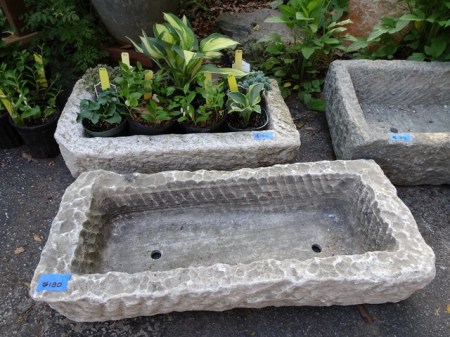
Mouse ears hostas with dwarf Solomon’s seal, Polygonatum humile, in my stone trough.

Hostas ‘Blue Mouse Ears’ and ‘Blonde Elf’ with miniature lady fern, Athyrium filix-femina ‘Minutissimum’, in the rock garden.

Hostas ‘Little Blue’, ‘Blonde Elf’, and ‘Little Wonder’ with a small epimedium in the rock garden.


Gardening with tiny plants and salvaged containers is so much fun.  I hope you will give it a try.

Carolyn

Nursery Happenings: Customers can pre-order woody plants through noon on May 22.  Click here for details.  We have added a third session of our seminar, The Secrets of a Low Maintenance Garden, on Sunday, May 20.  Click here for details. If you are interested in receiving miniature hostas mail order, click here.

If you are within visiting distance and would like to receive catalogues and information about customer events, please send your full name and phone number to carolynsshadegardens@verizon.net.  Subscribing to my blog does not sign you up to receive this information.

Facebook:  Carolyn’s Shade Gardens has a Facebook page where I post single photos, garden tips, and other information that doesn’t fit into a blog post.  You can look at my Facebook page here or click the Like button on my right sidebar here.

Notes: Every word that appears in orange on my blog is a link that you can click for more information.  If you want to return to my blog’s homepage to access the sidebar information (catalogues, previous articles, etc.) or to subscribe to my blog, just click here.

Beyond Mice

Posted in container gardening, containers for shade, hosta, hosta, miniature hosta, Shade Gardening, Shade Perennials with tags , , , , , , , , , , , , on May 3, 2012 by Carolyn @ Carolyns Shade Gardens

The 2013 Miniature Hosta Mail Order Catalogue, containing choice selections of miniatures for shipping all over the US, is now on my right sidebar here, and we are ready to ship.

.

Hosta 'Crumb Cake'I have used this photo of hosta ‘Crumb Cake’ emerging in spring before, but to me it epitomizes the beauty of a miniature hosta in a container.

My nursery specializes in miniature hostas, and I have over 25 varieties available right now, both at the nursery and mail order.  My 2011 post Miniature (& Small) Hostas gives an overview of little hostas and how to use them in the garden.  In my most recent post, I LOVE Mice, I raved about the mouse ears series of hostas.  But there are many desirable miniature hostas “beyond mice” so I thought I would highlight some special favorites.


‘Cracker Crumbs’ is pictured here in my dish garden (full photo below) surrounded by a tiny gray-blue sedum.  It is a miniature hosta 5” tall by 19” wide with leaves 2 1/2” long by 1 1/2” wide.  ‘Cracker Crumbs’ has shiny gold leaves with a bright green wavy margin and pale purple flowers in July.  It quickly forms a dense and rounded mound and makes a great trough or rock garden plant.


‘Itsy Bitsy Spider’ is also pictured in my dish garden (full photo below) with the same sedum and some hens and chickens.  It is a miniature hosta 2 ½” tall by 6” wide with leaves 1 ¾” long by 1 1/4″ wide.  ‘Itsy Bitsy Spider’ has narrow leaves with thick substance and a distinct blue-gray color, and pale lavender flowers in July.  It forms a tight low mound.  This adorable and rare plant is the smallest hosta in my collection.


‘Pixie Vamp’ in my rock garden—what a great name!

‘Pixie Vamp’ is pictured here in a container with violas.  It is a miniature hosta 7” tall by 16” wide with leaves 3 ½” long by 2 ½” wide.  ‘Pixie Vamp’ has bright green heart-shaped leaves bordered by gold in the spring changing to creamy white.  Its gorgeous mahogany colored stems hold purple flowers in July.  It is excellent in containers.


The very unusual hosta ‘Crumb Cake’ in my rock garden.


‘Crumb Cake’ is pictured here fully emerged in the same container featured in the first photo in this post.  It is a miniature hosta 5” high by 14” wide with leaves 3” long by 3” wide.  ‘Crumb Cake’ is a recent introduction with very bright honey-gold leaves, which are round with wavy margins.  It is a very unusual looking hosta forming a flat, dense, brightly colored mound.  It has elegant mahogany-colored leaf and flower stems and lavender flowers in July.  It makes an excellent container plant.


‘Alakazaam’ in my rock garden.


‘Alakazaam’ is pictured here in a container made for me by my son.  It is a miniature hosta 5″ tall by 10″ wide with leaves 6 1/2″ long and 3/4″ wide.  ‘Alakazaam’ has bright green leaves with gold ruffled margins changing to creamy white, and lavender flowers in late summer.  Its unusual spiky habit makes it stand out from the crowd no matter where you place it.


‘Surfer Girl’ is pictured here in my rock garden.  It is a miniature hosta 6” tall by 18” wide with leaves 2” long by 1” wide.  ‘Surfer Girl’ has dark green, sharply pointed, deeply rippled leaves reminiscent of ocean waves, and purple flowers in July.  It creeps to fill in a wide area and is excellent for edging the front of a border.  I use it in containers to contrast with gold-leafed minis.


‘Little Sunspot’ in my rock garden. 

‘Little Sunspot’ is pictured here in my strawberry pot.  It is a small hosta 12″ tall by 12″ wide with leaves 3″ long and 2″ wide.  It has sharply contrasting variegated gold leaves with a wide  dark green margin and purple-striped white flowers in summer.  ‘Little Sunspot’ is great for a rock garden, border, or a container.


‘Twist of Lime’ in my rock garden.

‘Twist of Lime’ is pictured here massed in front of epimediums.  It is a miniature hosta 6” tall by 10” wide with leaves 3” long by 1” wide.  ‘Twist of Lime’ has bright gold leaves with a narrow, dark blue-green wavy margin and many deep violet-striped flowers in July.  It has a beautiful upright habit and is a very fast grower—a favorite of my customers.

‘Praying Hands’ is pictured here in a container with violas and dwarf Solomon’s seal.  It is a small hosta 16″ tall by 30″ wide with leaves 7″ long and 2″ wide.  ‘Praying Hands’ has waxy and prominently ridged dark emerald green leaves with a narrow gold edge.  It is the most unusual hosta on the market with its folded leaves and vertical, twisty habit reminiscent of a pitcher plant.  It thrives in containers with my plant doubling in size each year.  ‘Praying Hands’ received the prestigious Hosta of the Year Award in 2011.

‘Praying Hands’ provides a vertical accent in my dish garden with miniature hostas ‘Shiny Penny’, ‘Itsy Bitsy Spider’, ‘Cracker Crumbs’, and ‘Shining Tot’ and various companion plants.

Miniature hostas are so much fun.  My next post will be on my new miniature hosta rock garden and feature companion plants to use in containers with your little hostas.

Carolyn

Nursery Happenings: Registration is open now for my husband’s seminar on The Secrets of a Low Maintenance Garden on May 14 &16.  Click here for details. My third Open House Sale, featuring hostas, ferns, hardy geraniums, and other blooming plants for shade, will take place on Saturday, May 12, from 10 am to 3 pm.  Look for an email listing the plants available if you are on my customer email list.  If you are interested in receiving miniature hostas mail order, click here.

If you are within visiting distance and would like to receive catalogues and information about customer events, please send your full name and phone number to carolynsshadegardens@verizon.net.  Subscribing to my blog does not sign you up to receive this information.

Facebook:  Carolyn’s Shade Gardens has a Facebook page where I post single photos, garden tips, and other information that doesn’t fit into a blog post.  You can look at my Facebook page here or click the Like button on my right sidebar here.

Notes: Every word that appears in orange on my blog is a link that you can click for more information.  If you want to return to my blog’s homepage to access the sidebar information (catalogues, previous articles, etc.) or to subscribe to my blog, just click here.

I LOVE Mice

Posted in container gardening, containers for shade, hosta, hosta, miniature hosta, Shade Gardening, Shade Perennials with tags , , , , , , , , , on April 25, 2012 by Carolyn @ Carolyns Shade Gardens

The 2013 Miniature Hosta Mail Order Catalogue, containing choice selections of miniatures for shipping all over the US, is now on my right sidebar here, and we are ready to ship.

.

'Holy Mouse Ears'It is very hard for me to pick a favorite mouse ears hosta, but I think ‘Holy Mouse Ears’ is it.  The colors in the leaves are magical.

My post Miniature (& Small) Hostas is the most popular article I have ever written for my blog.  In that post, I described how, when I discovered miniature hostas, I reached a new level of hosta addiction.  I try not to purchase (five of) every new miniature hosta I can get my hands on, but it’s a struggle.  Luckily my nursery allows me to mask this addiction as “business development”.  Now I specialize in miniature hostas, and mail order is even in the works (more about that later).


Hosta ‘Blue Mouse Ears’ is the parent of all the miniature hostas in the mouse ears clan.  It is so special that in 2008, the American Hosta Growers Association named it the Hosta of the Year.

The miniature hosta that really took me over the edge was ‘Blue Mouse Ears’.  It was definitely love at first sight.  I fell for the very blue, very round, very rubbery leaves and the perfectly symmetrical habit.  When ‘Blue Mouse Ears’ emerges from the ground, it is in a cluster so tight it looks like a rose.  It reaches about 6″ in height and scoffs at the idea of slugs as do all the mouse ears hostas.  Most days I stop on my garden ramble to touch its thick leaves.  To me they feel like mouse ears, not that I have ever felt one.

‘Blue Mouse Ears’ emerging in the spring.


‘Blue Mouse Ears’ is a descendant of ‘Blue Cadet’, which is a beautiful small blue hosta with very clean leaves and an elegant habit.  Boy was I in trouble though, because ‘Blue Mouse Ears’ was only the beginning.    As is the nature of hostas, ‘Blue Mouse Ears’ has given rise to a whole family of little mice.  All of them are between 5 and 8″ tall and form a clump about 12″ wide.  Technically, some of them get slightly larger than what the “authorities” consider mini.  Their unique characteristics are their very round rubbery leaves and their symmetrical habits.  However, I may be prejudiced by my love of mice, but I think these little gems have some of the best leaf colors of any hostas on the market.

‘Mouse Trap’ is one of the newer mice to hit the market.  Its bright white leaves with a blue-green border are striking.

Naturally I had to have all the mouse ears hostas in my collection, and my quest began.  I now have seven mice and have located a source for two more, ‘Royal Mouse Ears’ and ‘Calico Mouse Ears’, which I will be ordering shortly.  While researching this post, I found a Rutgers University site with the hysterical name of Hosta Garden Mouse Index.  The photos are not very good, but it seems to list all the mouse ears hostas available.  Apparently my quest will last a while longer.

Photos of three of my mice appear above, and here are the remaining four:

I think ‘Mighty Mouse’ has the cutest name in the mouse ears series.


This early spring photo of ‘Frosted Mouse Ears’ does not do it justice.  It matures to a dark green leaf with a wide white margin.


‘Green Mouse Ears’ is the smallest in the family with very shiny, thick bright green leaves.  Don’t you want to touch it?


‘Mouse Tracks’ is my latest acquisition, and I love its tie dye swirls of yellow, green, and blue.  It is a child of ‘Mighty Mouse’ and very rare.

I haven’t mentioned one of the wonderful features of the mouse ears hostas, their flowers.  Instead of having the long, dangly, out-of-proportion flowers that are produced by some miniatures, the mice have short, fat flowers in proportion to their size as illustrated by the photo below.  I grow them for their flowers too, which is something I can’t say about most hostas.

.

‘Holy Mouse Ears’ in bloom

Of course my mice deserved a special place in the garden where touring customers could view them up close and admire their cuteness (is that a word?).  What better place than the trough that my husband gave me for our anniversary.  My mice nest happily there:

‘Green Mouse Ears’ upper left, ‘Blue Mouse Ears’ middle, ‘Mighty Mouse’ middle right, ‘Mouse Trap’ lower left, ‘Frosted Mouse Ears’ lower right.  The companion plants are dwarf Solomon’s seal and miniature lady fern.


The whole mouse ears family.

It is easy to add mice to your garden, and they will bring a smile to your face for the whole season.

Carolyn’s Shade Gardens specializes in miniature hostas.  I have 25 varieties available at my nursery right now.  I am thinking of starting a mail order business for miniatures.  If you would like to mail order some this year and help me test out my plan, click here (US only).

Carolyn

Nursery Happenings: My third Open House Sale, featuring hostas, ferns, hardy geraniums, and other blooming plants for shade, will take place on Saturday, May 12, from 10 am to 3 pm.  Look for an email listing the plants available if you are on my customer email list.  If you are interested in receiving miniature hostas mail order, click here.

If you are within visiting distance and would like to receive catalogues and information about customer events, please send your full name and phone number to carolynsshadegardens@verizon.net.  Subscribing to my blog does not sign you up to receive this information.

Facebook:  Carolyn’s Shade Gardens has a Facebook page where I post single photos, garden tips, and other information that doesn’t fit into a blog post.  You can look at my Facebook page here or click the Like button on my right sidebar here.

Notes: Every word that appears in orange on my blog is a link that you can click for more information.  If you want to return to my blog’s homepage to access the sidebar information (catalogues, previous articles, etc.) or to subscribe to my blog, just click here.

Miniature (& Small) Hostas

Posted in hosta, How to, landscape design with tags , , , , , , , , , , , , , , , , , , , , , , , , , , , , , , , , , on May 9, 2011 by Carolyn @ Carolyns Shade Gardens

The 2013 Miniature Hosta Mail Order Catalogue, containing choice selections of miniatures for shipping all over the US, is now on my right sidebar here, and we are ready to ship.

.

'Holy Mouse Ears'‘Holy Mouse Ears’: the miniature hostas in the mouse ears series are my favorites.

I am in stage four of my relationship with hostas.  I have noticed that many of my customers go through these stages too.  Stage one was when I was a new gardener.  I discovered hostas and loved them because they are easy to grow and to divide to make more.  I had the green one, the green and white one, the blue one, the variegated one, and the gold one.  If you know hostas, you can probably guess fairly easily which varieties I had.  I still love these hostas and have large patches of them in my gardens.

‘Lakeside Cupcake’ was a new small hosta for me in 2010 and is a strong grower.

During stage two, I became more “sophisticated”.  Hostas were too easy to grow, too ordinary, and multiplied too quickly for my control-oriented gardening style.  Besides I wanted flowers, flowers, and more flowers, and hostas just didn’t fit the bill.  I didn’t like them anymore.  How could people collect such a boring and ordinary plant?

“Carolyn’s Gold”: I selected this miniature hosta from a chance seedling that appeared in my gardens.  It is the brightest gold I have ever seen.

I rediscovered hostas in stage three when I got beyond flowers and realized how important foliage is to the garden, especially the shade garden.  I learned that hostas did not come in just the five basic varieties but in an infinite number of combinations of colors, heights, widths, leaf shapes, flowers, and habits.  Somewhere I read that there are 6,000 hosta cultivars.  I wanted them all so I began to collect hostas. 

‘Blue Mouse Ears’ is the miniature hosta that started the mouse ears family.  Not only is it shaped like a mouse ear, but it feels like one too (all in my imagination because I have never felt a mouse ear).  It was designated the 2008 Hosta of the Year by the American Hosta Growers Association–a very high honor.

I entered stage four about the time that my hosta acquisitions topped 100 cultivars.  This is just a modest assemblage because you really aren’t considered a hosta collector until you have over 500 varieties in your garden.  But I was running out of room.  Besides I am not a true collector of any group of plants because I am not satisfied with one of any perennial in my garden.  I need at least five, but preferably seven, of any plant to make an impact.  Many hostas are quite large, and five ‘Blue Angel’, ‘Sum and Substance’, or ‘Sagae’, which are favorites of mine, with six foot wide clumps and 15″ leaves, take up a lot of room.  Were my collecting days over?

Clockwise from upper left: small ‘Blonde Elf’  and miniatures ‘Little Wonder’, ‘Rock Princess’, and a hosta sold to me as ‘Little Blue’.

That’s when I discovered miniature hostas.  The American Hosta Society defines  miniature hostas as having a leaf no larger than 4 sq. in.   The discovery of miniature hostas allowed me to indulge my passion for collecting hostas, which only got worse in stage four, without taking up all the space in my garden.  And they are so incredibly cute and have such adorable names: ‘Holy Mouse Ears’, ‘Pixie Vamp’, ‘Blonde Elf’, ‘Mighty Mouse’, ‘Alakazaam’, ‘Cookie Crumbs’, ‘Rock Princess’.  How can you resist?

‘Mighty Mouse’ is one of the newer members of the mouse ears family.

I remain firmly mired in stage four and don’t know what comes after it, maybe Hostas Anonymous.  But in the meantime, I want to show you some of my favorite miniatures (see photos above and below) and suggest some ideas for displaying miniature and small hostas.

‘Little Treasure’ is new to me this year and has a unique leaf shape and blue-green color.

Because they are so little, most miniature and small hostas can’t be thrown into the garden willy-nilly but benefit from some planning to show them off.  Many also require specialized growing conditions, but those cultivars don’t survive at Carolyn’s Shade Gardens where nothing gets fussed over.  I display my absolute favorite miniature hostas in their own container to really highlight them.  An added benefit is that  hostas multiply more rapidly in containers:

I have shown this photo of ‘Crumb Cake’ before, but it demonstrates how a single unusual plant in a container can be so pleasing.  ‘Crumb Cake’ and all the other hostas pictured in containers in this post also do well in the ground–a requirement for inclusion at Carolyn’s Shade Gardens.


‘Pixie Vamp’: This miniature has elegant mahogany-colored flower scapes that match this container.  I leave all these pots outside all winter.  Hostas overwinter fine as long as their containers can be left outside without cracking.


I think ‘Praying Hands’, the 2011 Hosta of the Year, looks best in a container.  It reminds me of pitcher plants without the hassle of creating a bog.  Pictured here with dwarf Solomon’s seal, Polygonatum humile, another plant that thrives over the winter in containers.


“Carolyn’s Malex Two” is another hosta I selected that grows so slowly in the ground that I have never sold it.  Its position in the top of my antique strawberry pot highlights its delicate coloring and allows it to multiply faster than it would in the ground.


The straight species Hosta tokudama has the bluest leaves of any hosta and lives in this terra cotta container on my porch.


You don’t necessarily have to buy containers for your hostas.  ‘Hanky Panky’, a very unusually colored small hosta, has grown for years in my old dogwood stump.


‘Alakazaam’ has found a home in the chiseled out knot hole of a weathered sycamore branch.  My youngest son crafted this “container” for me for Mother’s Day.


Several miniature hostas can be combined in a larger container:

This dish, which I leave out all winter even though it is terra cotta (don’t do this at home!), contains the miniatures  (clockwise from upper left) ‘Cracker Crumbs’, ‘Shiny Penny’, and ‘Shining Tot’ with ‘Praying Hands’, sedum, hens and chicks, rosularia, and miniature dianthus.


My antique strawberry pot has 16 pockets with a different miniature hosta in each one.  Pictured are (top row left to right) ‘Cameo’, ‘Cracker Crumbs’, and ‘Twist of Lime’, (middle row) ‘Little Blue’, ‘Shining Tot’, and ‘Porter’, and (bottom row) ‘Shiny Penny’, ‘Hope, and “Carolyn’s Tiny Gold”.


My husband gave me this antique trough for our anniversary.  It is a perfect setting for my mouse ears collection.  Pictured are (front left to right) ‘Holy Mouse Ears’ and ‘Mouse Trap’, (center) ‘Blue Mouse Ears’, and (back) ‘Green Mouse Ears’, ‘Mighty Mouse’, and ‘Frosted Mouse Ears’, all with dwarf Solomon’s seal.


Hostas thrive between rocks and in rock gardens:

The 2010 Hosta of the Year ‘First Frost’ in my rock garden with (left to right) variegated money plant (Lunaria annua ‘Alba Variegata’), Helleborus cyclophyllus, and yellow wax-bells (Kirengoshoma palmata).


‘Little Aurora’ (upper left) and ‘Cookie Crumbs’ (lower right) in my rock garden with (left to right) ‘Red Lady’ hellebores (Helleborus x hybridus ‘Red Lady’), pink violets (Viola species), and spring-blooming hardy cyclamen (Cyclamen coum).


Miniature and small hostas can be massed for maximum effect and to create groundcover:

‘Kabitan’ (lower right) massed with (left to right) ‘Abiqua Drinking Gourd’, 2009 Hosta of the Year ‘Earth Angel’, Spanish bluebells (Scilla campanulata ‘Excelsior’), yellow corydalis (Corydalis lutea), and fern-leafed corydalis (Corydalis cheilanthifolia).


“Carolyn’s Gold” (lower left) and ‘Lemon Lime’ (upper right) used as groundcover.


‘Twist of Lime’ (lower right) massed with (left to right) sweet violet (Viola odorata), red epimedium (Epimedium x rubrum), and ‘Fantasy Island’.


I hope I have given you some good ideas for using miniature and small hostas in your garden.  I would be very interested to hear in a comment/reply which miniatures you like and how you use them.

Carolyn

For two more articles on hostas, click here:

Larger Hostas

Hostas for Fall


Notes: Every word that appears in orange on my blog is a link that you can click for more information.  If you want to return to my blog’s homepage to access the sidebar information (catalogues, previous articles, etc.) or to subscribe to my blog, just click here.

Pleasurable Pairings for Spring

Posted in hosta, landscape design, Shade Gardening with tags , , on April 26, 2011 by Carolyn @ Carolyns Shade Gardens

Annual violas and a hosta I selected called “Carolyn’s Malex II” in a glazed strawberry pot that belonged to my grandfather.  There is a different miniature hosta in each of the 16 pockets, and it stays out all winter with no problems for the pot or the hostas.  Don’t you love the little faces on the violas?

Over the years, through trial and error, I have discovered some fail safe pairings for the spring shade garden.  These plant couples look great together while thriving in the same cultural conditions.  Their flower and leaf colors and textures and their habits compliment each other to make pleasing combinations.  Plus they are all easy to grow, requiring no watering, staking, or general fussing after they are established in good organic soil in part to full shade.

Hostas that come up early in the spring, especially miniature hostas, play nicely with almost every plant and are extremely easy to grow:

This pairing is one of my favorite color combinations in the garden.  Hosta montana ‘Aureomarginata’ comes up much earlier than other large hostas.  Its bright green and yellow leaves serve as the perfect backdrop for the orange and yellow flowers of Epimedium x warleyense.


Almost all my miniature hostas come out in time to join the blooming epimediums.  Here is Epimedium grandiflorum ‘Tama No Gempei’ with Hosta ‘Little Wonder’, but you could choose any epimedium and any miniature hosta for a delightful contrast.


A great full shade combination: Hosta ‘Emerald Tiara’ and Japanese woodland primrose, Primula sieboldii (purple form), thrive under my coral bark maple.  Japanese woodland primrose is a mat-forming primrose for full, dry shade not to be confused with Japanese primrose, Primula japonica, which requires moist conditions.


Annual violas and Hosta ‘Crumb Cake’ in a container that stays out all winter.  Small containers are a great way to display choice miniature hostas.


Another plant whose early spring color goes with just about anything is Spiraea japonica ‘Magic Carpet’.  I think I would take this shrub to a dessert island if I had to choose because its deep peach leaves are so gorgeous (and it has fabulous fall color too):

Dwarf spiraea, Spiraea japonica ‘Magic Carpet, with Italian arum, Arum italicum, and PA (Pennsylvania) native coral bells, Heuchera villosa ‘Caramel’.  This is a year round combo because the arum and coral bells remain ornamental through the winter and the spiraea is a solid three-season plant.


‘Magic Carpet’ contrasts nicely with the color and texture of gold-leafed old-fashioned bleeding heart, Dicentra spectabilis ‘Goldheart’.  At first I didn’t like the idea of gold and pink together but with careful pairing ‘Goldheart’ is magnificent.


You can see some of the gold tones starting to emerge in the new leaves on this ‘Magic Carpet’, which is farther from the house.  It looks great with the dark red sedums in this strawberry jar, which also overwinters outside.


‘Magic Carpet’ even pairs well with spider webs.  Every spring I come out one morning to find all the spiraeas covered with webs.


Here are some more great combinations for early spring:

I think that PA native Celandine poppy, Stylophorum diphyllum, goes with everything in spring, but it looks especially beautiful with PA native Virginia bluebells, Mertensia virginica.


I am always captivated by the color combination of the buds of Burkwood viburnum, V. x burwoodii ‘Mohawk’, and the flowers of old-fashioned bleeding heart, Dicentra spectabilis.  ‘Mohawk’ has fantastic fragrance and spectacular orange-red fall color too.  It is a Pennsylvania Horticultural Society gold medal plant.


The airy bronze foliage and yellow flowers of fern-leafed corydalis, Corydalis cheilanthifolia, perfectly compliment the flower color of this 18th century heirloom primrose, Primula x polyantha ‘Old Brick Reds’.


Pulmonarias (lungwort) go with just about anything too:

The early blue flowers and narrow silver leaves of Pulmonaria ‘Diana Clare’ with the abundant pink flowers and silver-striped leaves of Lamium maculatum ‘Shell Pink’, which blooms from April until November and has evergreen foliage.  Pulmonarias also keep their beautiful leaves well into the winter.


I have collected over 25 varieties of pulmonaria, but then I let them self sow all over my garden with glorious results.  Above is a pink seedling pulmonaria with very rare Helleborus dumetorum subsp. atrorubens, but any red flowered hybrid hellebore would complete the pair.


More seedling pulmonarias paired with a purple strain of Lamium maculatum ‘Shell Pink’.


PA native wild ginger, Asarum canadense, and PA native dwarf Jacob’s ladder, Polemonium reptans, carpet my woodlands in early spring.  Together they produce a subtle and peaceful beauty.


I never thought of cushion spurge, Euphorbia polychroma, as a shade plant but it actually thrives in quite a bit of shade: here with hybrid hellebore, H. x hybridus ‘Metallic Blue Lady’.  I also love the cushion spurge cultivar ‘Bonfire’ with red leaves.


I think this is one of the most beautiful combinations in my early spring garden, and it took me over 50 attempted photographs to capture it on film!  Siberian bugloss, Brunnera macrophylla,  cowslip primrose, Primula veris, and spring starflower, Ipheion uniflorum.


Same as above with Ajuga reptans ‘Metallica’.


I will finish my spring combinations with something for all you sunny gardeners: white stonecrop, Sedum album, with tulip ‘Little Princess’.


I hope I have given you some ideas for creative combinations to add to your spring garden.  Please leave a comment/reply with some favorite pairs from your own garden.

Carolyn

Notes: Every word that appears in orange on my blog is a link that you can click for more information.  If you want to return to my blog’s homepage to access the sidebar information (catalogues, previous articles, etc.), just click here.

Nursery Happenings: My second annual Great Hosta Blowout is going on right now.  For details, click here.  Look for Carolyn’s Shade Gardens at the Bryn Mawr Farmer’s Market on Saturday, May 7, from 9 am to 1 pm .  My next open house sale is Saturday, May 14, from 10 am to 3 pm.

Follow

Get every new post delivered to your Inbox.

Join 1,626 other followers